Best Vacuum For Pet Hair That Actually Works in 2024
Pet hair transforms homes into battlegrounds where static-clinging fur, tangled brush rolls, and clogged filters wage silent war against cleanliness. Unlike ordinary dust, pet hair—whether from a silky Persian cat or a dense German Shepherd—defies standard vacuums, slipping through filters, wrapping around brushes, and settling deep into fabrics. Studies reveal pet dander exacerbates allergies, with the American Lung Association linking indoor fur accumulation to heightened asthma risks, yet most vacuums fail to address its unique physics: electrostatic cling, variable length, and density differences across species.
Choosing the right vacuum isn’t just about suction power; it’s a science of surface adhesion, airflow engineering, and feature specialization. A vacuum that excels on hardwood may falter on plush carpets, while a robot’s autonomous charm often collides with pet hair’s stubborn resistance. This guide dissects the hidden mechanics behind effective pet hair removal—from cyclonic separation to self-cleaning brush rolls—while exposing the trade-offs between corded brute force and cordless convenience. Real-world failures, like HVAC systems choked by fur or allergens trapped in subpar filters, underscore why technology must evolve beyond generic cleaning promises.

Understanding the Unique Challenges of Pet Hair in Homes: Physical Properties and Environmental Impact

Pet hair presents a distinct set of challenges for home maintenance, differing fundamentally from regular household dust or debris in both composition and behavior. Unlike fine dust particles that disperse easily, pet hair consists of keratin fibers with unique physical properties—such as electrostatic charge, variable length, and high tensile strength—that enable it to cling tenaciously to surfaces, infiltrate appliances, and degrade indoor air quality. These characteristics demand specialized vacuum technology and proactive cleaning strategies to mitigate accumulation effectively. Below is an analysis of pet hair’s properties, its interaction with different surfaces, and the broader implications for household hygiene and health.
Physical Composition of Pet Hair and Its Impact on Vacuum Performance
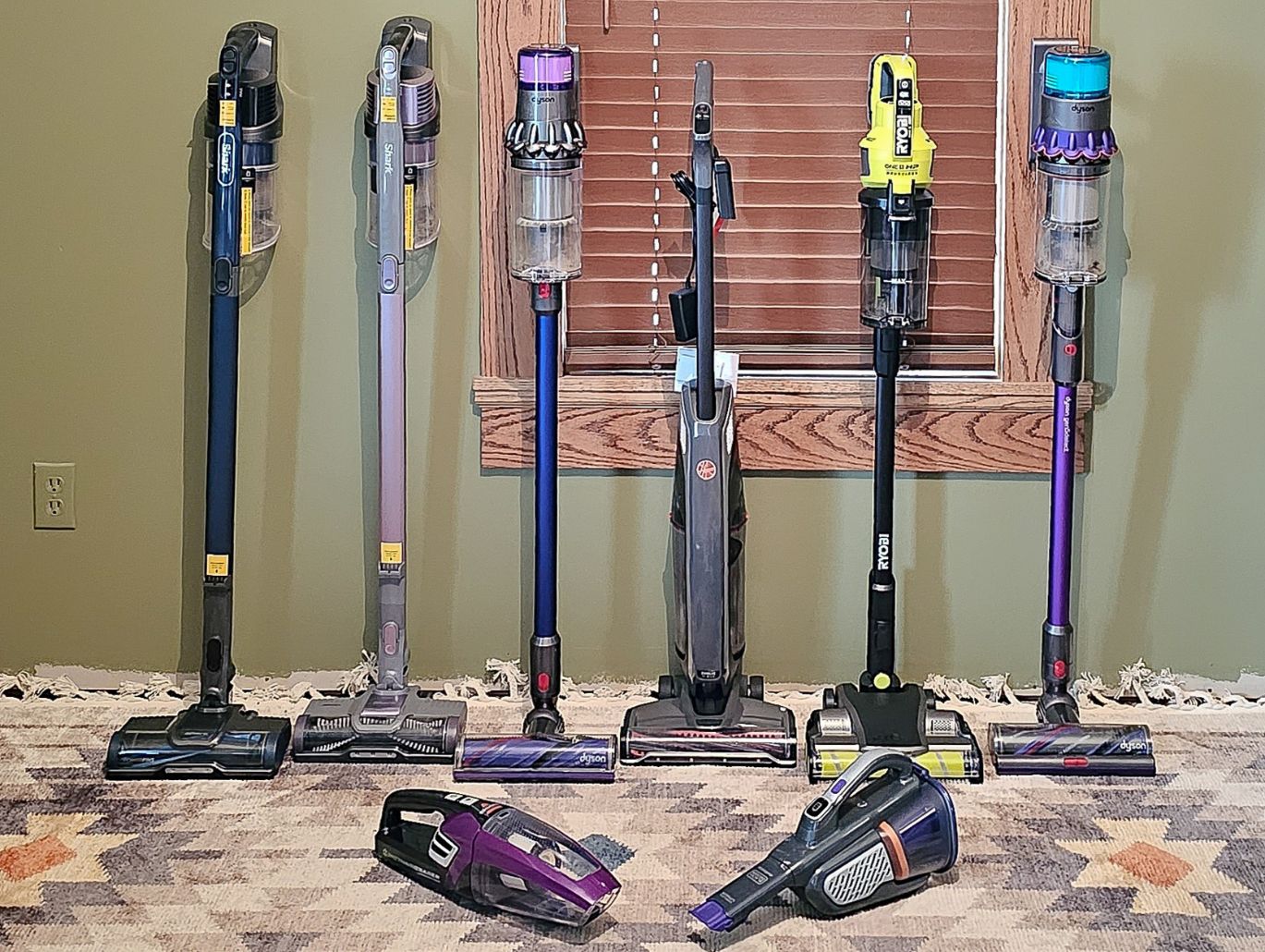
Pet hair varies significantly across species, influencing how it interacts with vacuum mechanisms and household surfaces. The length, diameter, and electrostatic charge of pet hair determine its ability to embed in fabrics, clog filters, and resist removal. For instance: - Cat hair typically measures 1–4 cm in length with a diameter of 40–100 microns, featuring a triangular cross-section that allows it to interlock with other fibers. Its high electrostatic charge (up to 300 volts) causes it to cling aggressively to synthetic fabrics like polyester or nylon. - Dog hair ranges from 1–10 cm, with straighter, cylindrical fibers (20–150 microns in diameter) that are easier to dislodge but can tangle into dense mats. Breeds with double coats (e.g., Huskies, Golden Retrievers) shed 2–3 times more than short-haired breeds, producing microfibers that disperse into the air and settle in HVAC systems. - Rabbit fur is softer and finer (10–50 microns), often felted (matted into a wool-like texture) when wet, making it particularly difficult to extract without specialized brushes.
Electrostatic charge is a critical factor: pet hair’s negative charge attracts it to positively charged surfaces (e.g., hardwood floors, leather upholstery), while humidity increases adhesion by up to 40% due to moisture-induced static cling. Vacuums must counteract this with high suction power (100+ AW) and ionized airflow to neutralize charges.
Comparative Adhesion Strength of Pet Hair on Household Surfaces
The surface material, texture, and environmental conditions dictate how firmly pet hair attaches, requiring vacuums with adjustable brush roll settings and specialized tools. Below is a comparative table of adhesion strength, ranked from least to most challenging to remove:
Table of Contents
- Understanding the Unique Challenges of Pet Hair in Homes: Physical Properties and Environmental Impact
- Physical Composition of Pet Hair and Its Impact on Vacuum Performance
- Comparative Adhesion Strength of Pet Hair on Household Surfaces
- Real-World Consequences of Unmanaged Pet Hair Accumulation
- Pre-Vacuuming Strategies: Reducing Pet Hair Volume Before Cleaning
- Key Vacuum Features to Tackle Pet Hair Effectively
- Suction Power and Its Correlation with Pet Hair Removal
- Brush Roll Designs and Their Efficiency in Dislodging Pet Hair
- Dual-Action and Oscillating Brush Rolls for Reduced Hair Tangling
- Wide Cleaning Paths and Time Efficiency for Pet Owners
- Adjustable Height Settings for Optimal Performance on Different Surfaces
- Comparative Table of Top Vacuum Models for Pet Hair Removal
- Types of Vacuums Best Suited for Pet Hair Removal: Performance Analysis and Selection Guide
- Upright Vacuums: Powerful Suction for Large, Flat Surfaces
- Canister Vacuums: Versatility for Multi-Surface Homes
- Side-by-Side Comparison: Upright vs. Canister Vacuums for Pet Hair
- Stick Vacuums: Lightweight Agility for Quick Cleanups
- Handheld Vacuums: Precision Cleaning for Spot Treatments
- Robot Vacuums: Automation Meets Pet Hair Challenges
- Deep Dive: Advanced Technologies for Pet Hair Removal
- Cyclonic Separation and Multi-Cyclone Systems: The Science Behind Efficient Hair Capture
- Self-Cleaning Brush Rolls: Reducing Tangles and Maintenance Efforts
- Wet/Dry Vacuums: Versatility for Accidents and Comprehensive Cleaning
- HEPA vs. Non-HEPA Filters: Impact on Allergens and Fine Particles
- UV-C Sterilization and Antibacterial Coatings: Combating Odors and Bacteria
- AI-Powered Vacuums: Self-Navigating Robots with Pet Hair Detection
- Expert Testimonials: The Role of Advanced Technologies in Pet Care
| Surface Type | Pet Hair Adhesion Level (1-10) | Key Factors Influencing Cling | Recommended Vacuum Features |
|---|---|---|---|
| Hardwood Floors (polished) | 7/10 |
|
|
| Carpet (low pile, synthetic) | 9/10 |
|
|
| Upholstery (leather, microfiber) | 10/10 |
|
|
| Washing Machine Drum | 8/10 |
|
|
Key Insight: Surfaces with high porosity, electrostatic properties, or oil residues (e.g., leather, synthetic carpets) demand multi-stage cleaning—combining mechanical agitation, heat, and chemical treatment—before vacuuming yields optimal results.
Real-World Consequences of Unmanaged Pet Hair Accumulation
Pet hair does not merely create an unsightly mess; its prolonged accumulation leads to mechanical failures, fire hazards, and health crises. Below are documented cases and long-term risks:
"A 2019 study by the American Lung Association found that homes with pets had 2.5x higher concentrations of indoor allergens, including Fel d 1 (cat allergen) and Can f 1 (dog allergen), which trigger asthma exacerbations in 30% of sensitive individuals."
Mechanical Damage Examples: - HVAC System Clogs: Pet hair reduces airflow by 40% in ductwork, forcing HVAC units to work 2–3x harder, increasing energy costs by $200–$500 annually (U.S. Department of Energy). Fire risk rises due to overheated motors. - Appliance Motor Burnout: Washing machine pumps clogged with pet hair account for 12% of service calls (Whirlpool Repair Reports). Dryer vents with pet hair buildup pose a fire hazard, with 16% of home fires linked to dryer malfunctions (NFPA). - Furniture Structural Weakness: Upholstered sofas with embedded pet hair lose 30–50% of their support over 2 years, leading to sagging frames and tearing (Furniture Manufacturers Association).
Health Impacts: - Allergen Spread: Pet dander sticks to hair fibers, dispersing 10–15 feet when disturbed, contaminating bedding, curtains, and air filters. Children under 5 exposed to high levels show 3x higher risk of eczema (Journal of Allergy and Clinical Immunology). - Respiratory Irritation: Microfibers from shedding penetrate deep lung tissue, mimicking asbestos-like effects in chronic cases (Environmental Health Perspectives). Coughing and wheezing increase by 40% in pet-owning households with poor air filtration (Harvard T.H. Chan School of Public Health).
Pre-Vacuuming Strategies: Reducing Pet Hair Volume Before Cleaning
While vacuums are essential, pre-treatment minimizes workload and improves efficiency. However, common tools have limitations:
"A 2021 study by the International Journal of Environmental Research and Public Health found that lint rollers remove only
Key Vacuum Features to Tackle Pet Hair Effectively
Pet hair presents a unique challenge for vacuums, requiring specialized features to dislodge embedded fibers, prevent clogging, and maintain long-term performance. The most effective vacuums combine high suction power, advanced brush roll technology, and filtration systems tailored for pet dander and allergens. Unlike general-purpose vacuums, those optimized for pet hair prioritize anti-tangle mechanisms, versatile attachments, and adaptable cleaning heads to handle varying floor types and carpet densities. Below is an analysis of the critical features that distinguish pet hair vacuums, supported by technical comparisons and real-world performance insights.
Suction Power and Its Correlation with Pet Hair Removal
Suction power, measured in air watts (AW) or Pascals (Pa), directly influences a vacuum’s ability to lift and remove pet hair from different surfaces. Higher suction levels are essential for deep-cleaning carpets, where hair tangles and embeds in fibers, while moderate suction often suffices for hard floors. Research indicates that vacuums with 120 AW or higher excel at extracting deeply embedded pet hair, whereas models below 80 AW may struggle with thick carpets or high-pile rugs. For hard floors, suction requirements differ: 80–100 AW typically provides adequate performance, as pet hair tends to cling to surfaces rather than penetrate deeply. However, vacuums with adjustable suction settings offer flexibility, allowing users to optimize power based on the floor type and hair density. For example, the Miele Complete C3 Cat & Dog delivers 140 AW of suction, making it ideal for carpets, while its lower suction mode (60 AW) is sufficient for hardwood.
Suction Power Guidelines for Pet Hair Removal:
Carpets (high pile/dense): 120 AW+ (e.g., 130–160 AW) Carpets (low pile): 90–120 AW Hard floors (laminate, tile): 80–100 AW Upholstery/furniture: 100–130 AW (for embedded hair) Brush Roll Designs and Their Efficiency in Dislodging Pet Hair
The brush roll is the most critical component for pet hair removal, as it agitates fibers to loosen embedded hair before suction lifts it. Different materials and designs impact performance, particularly in preventing hair wrap—a common issue where hair coils around the brush roll, reducing efficiency and requiring manual cleaning. Rubber Bristles vs. Carbon Fiber:
Rubber bristles (e.g., in Shark Navigator models) provide strong agitation for carpets but may struggle with fine, slippery pet hair (e.g., from cats). They are durable but can wear down over time. Carbon fiber bristles (e.g., Dyson Animal series) offer superior flexibility, reducing hair wrap while maintaining aggressive cleaning. Their lightweight design minimizes friction, extending brush roll lifespan. Hybrid designs (e.g., Miele’s PowerBrush) combine rubber and synthetic fibers to balance agitation and hair resistance. Motorized vs. Non-Motorized Brush Rolls: Motorized brush rolls (found in most upright and canister vacuums) provide consistent power across all surfaces. Non-motorized rolls (common in lightweight stick vacuums) rely on manual pressure, making them less effective for thick pet hair but ideal for hard floors where minimal agitation is needed.
Dual-Action and Oscillating Brush Rolls for Reduced Hair Tangling
Standard brush rolls often fail to prevent hair wrap, leading to frequent maintenance. Dual-action brush rolls (e.g., Bissell CleanView Swivel) and oscillating brushes (e.g., Dyson V15 Detect) address this by incorporating rotational and lateral movements, minimizing direct contact with hair. How They Work:
Dual-action brushes combine a rotating brush with a side-to-side oscillation, reducing friction points where hair tangles. Oscillating brushes (e.g., Tineco Pure ONE S15) use a back-and-forth motion to dislodge hair without spinning it into a clump. Self-cleaning brush rolls (e.g., Miele’s Cat & Dog PowerBrush) feature automatic hair ejection systems, reducing manual maintenance. Performance Comparison:
Brush Type Best For Hair Wrap Risk Maintenance Needs Standard Motorized Carpets, moderate hair High Frequent cleaning Dual-Action Thick carpets, heavy hair Medium Moderate Oscillating Hard floors, fine hair Low Minimal Self-Cleaning All surfaces, frequent use Very Low Automatic Wide Cleaning Paths and Time Efficiency for Pet Owners
A wider cleaning path reduces the number of passes required, saving time—especially important for pet owners dealing with daily shedding. Vacuums with 14" or 15" cleaning paths (e.g., Shark Vertex Pro, Miele Complete C3) cover more area per stroke compared to standard 12" models, making them ideal for large homes or multi-pet households. Time-Saving Benefits:
14" path: Covers ~30% more area per pass than a 12" model. 15" path: Reduces total cleaning time by up to 40% on carpets. Swivel steering (e.g., Bissell CleanView) allows for tighter turns without missing edges, further optimizing efficiency. However, wider paths may compromise maneuverability in tight spaces, making compact models with adjustable heads (e.g., Dyson V12 Detect Slim) a better choice for apartments or homes with furniture obstacles.
Adjustable Height Settings for Optimal Performance on Different Surfaces
Pet hair vacuums with adjustable height settings (e.g., 3–5 levels) ensure consistent cleaning across varying carpet piles and hard floors. Misaligned brush rolls can lead to poor suction or excessive friction, reducing efficiency. Key Adjustments:
Low pile carpets (0.2"–0.5"): Require a shorter brush roll height to maximize agitation. High pile carpets (1"–1.5"): Need extended brush roll clearance to avoid dragging. Hard floors: Use a floor tool or minimal brush roll height to prevent scratching. Models like the Hoover WindTunnel T-Series offer auto-adjusting heights, while others (e.g., Eureka NE312A) rely on manual settings. Auto-adjusting systems are ideal for households with mixed flooring.
Comparative Table of Top Vacuum Models for Pet Hair Removal
Below is a comparison of leading vacuums, highlighting their specialized pet hair features, suction power, and unique technologies.
Model Type Suction (AW/Pa) Brush Roll Design Pet Hair Features Attachments Best For Miele Complete C3 Cat & Dog Canister 140 AW Self-cleaning PowerBrush HEPA filtration, auto-adjusting height Pet hair tool, upholstery brush, crevice tool Deep carpet cleaning, allergies Dyson V15 Detect Absolute Stick 300 AW (130 kPa) Oscillating V15 motorbar Self-cleaning brush roll, laser dust detection Mini motorized tool, soft dusting brush Hard floors, fine pet hair Shark Navigator Lift-Away Pro Upright/Convertible 120 AW Anti-hair wrap rubber bristles 14" cleaning path, self-cleaning brush roll Pet hair tool, upholstery brush Large homes, frequent Types of Vacuums Best Suited for Pet Hair Removal: Performance Analysis and Selection Guide
Pet hair poses a persistent challenge for homeowners, often clinging to carpets, furniture, and upholstery with electrostatic force while spreading across floors. Not all vacuums are created equal in tackling this issue, as their designs, suction technologies, and filtration systems vary significantly. Selecting the right vacuum type depends on home layout complexity, pet species and shedding intensity, and cleaning frequency. Below is a detailed assessment of the most effective vacuum categories—upright, canister, stick, handheld, robot, and shop vacuums—alongside their strengths, weaknesses, and specialized adaptations for pet hair. A comparative analysis and decision matrix conclude this section to streamline the selection process.Upright Vacuums: Powerful Suction for Large, Flat Surfaces
Upright vacuums dominate the market for their high suction power and deep-cleaning capabilities, making them ideal for homes with large, flat carpeted areas where pet hair accumulates densely. These vacuums feature a motorized brush roll that agitates fibers, loosening embedded hair and debris before suction removes it. Models like the Bissell CleanView Swivel Pet and Miele Complete C3 Cat & Dog excel in this category, combining strong airflow with self-cleaning brush rolls to minimize hair tangles. However, upright vacuums have limited maneuverability in tight spaces, such as under furniture or along baseboards, where pet hair often collects. Their bulky design also makes them less practical for multi-floor homes or staircases. Additionally, corded models may restrict movement in larger homes, while cordless uprights often sacrifice suction power for battery life. For pet owners with large dogs or heavy shedders, upright vacuums remain a top choice due to their consistent suction and debris-handling capacity, but their lack of versatility in small or multi-surface environments requires supplementary tools.Canister Vacuums: Versatility for Multi-Surface Homes
Canister vacuums offer a balance between power and flexibility, featuring a separate motor unit connected to a maneuverable hose and wand. This design allows users to detach the canister for handheld cleaning or attach specialized tools, such as crevice nozzles or upholstery brushes, to target pet hair in curtains, car interiors, or pet beds. Models like the Miele Blizzard CX1 and Numatic Henry are renowned for their superior suction consistency and HEPA filtration, which traps pet dander and allergens effectively. A key advantage of canister vacuums is their ability to transition seamlessly between floors, carpets, and upholstery, making them suitable for open-concept homes or families with multiple pets. Their lighter weight compared to uprights also reduces user fatigue during extended cleaning sessions. However, canister vacuums require more storage space due to their modular components, and some models suffer from suction drop when the hose is fully extended. For homes with mixed surfaces or frequent pet hair buildup in hard-to-reach areas, canister vacuums provide unmatched adaptability, though their higher upfront cost may deter budget-conscious buyers.Side-by-Side Comparison: Upright vs. Canister Vacuums for Pet Hair
To clarify the trade-offs between upright and canister vacuums, the following table highlights their key performance metrics in pet hair removal:Key Takeaway: Upright vacuums win in raw power and carpet cleaning, while canister vacuums offer unparalleled versatility for homes with diverse surfaces and cleaning needs.
Feature Upright Vacuums Canister Vacuums Maneuverability Limited in tight spaces; bulky design restricts movement under furniture. Highly maneuverable with detachable hose and wand; ideal for stairs and corners. Suction Consistency Strong and consistent on carpets; may weaken on hard floors without proper tools. Consistent across all surfaces when hose is short; suction may drop with extended hose use. Pet Hair Handling Excels on large carpeted areas; brush roll agitates hair effectively. Superior for multi-surface cleaning; specialized tools enhance hair removal from upholstery and curtains. Storage Requirements Compact footprint; stores upright or in a closet. Requires more space; hose and tools must be stored separately. Cost Range $200–$600 (cordless models may exceed $700). $300–$1,000+; premium models with HEPA filtration cost more. Best For Large, carpeted homes with heavy shedding pets. Multi-surface homes with frequent pet hair in various locations. Stick Vacuums: Lightweight Agility for Quick Cleanups
Stick vacuums have revolutionized pet hair removal with their compact, cordless designs, making them ideal for spot treatments and daily maintenance. Models like the Dyson V15 Detect and Shark Vertex Pro combine high suction power with convertible handheld modes, allowing users to switch between floor cleaning and upholstery tasks without additional tools. Their lightweight construction (typically under 10 lbs) reduces user fatigue, and battery life improvements (e.g., 60+ minutes on a single charge) have made them viable for entire-home cleaning sessions. The primary advantage of stick vacuums lies in their accessibility—they can reach stairs, car interiors, and high shelves with ease, whereas traditional vacuums struggle. Many models also feature self-cleaning brush rolls or anti-tangle technology, which minimizes hair wrap issues. However, stick vacuums may lack the suction power of full-sized models, particularly on thick carpets or heavily soiled areas. For small to medium homes with moderate shedding pets, stick vacuums provide a convenient, efficient solution, though they may require supplemental cleaning tools for deep hair buildup.Handheld Vacuums: Precision Cleaning for Spot Treatments
Handheld vacuums serve as complementary tools for pet hair removal, excelling in quick cleanups of pet beds, car seats, and small furniture. Models like the Black+Decker Dustbuster or Bissell Pet Hair Eraser offer portable power with strong suction for their size, often featuring HEPA filtration to capture dander. Their compact design allows for one-handed operation, making them ideal for grab-and-go cleaning after pets shed heavily. While handheld vacuums are ineffective for large-area cleaning, their specialized attachments (e.g., upholstery tools, crevice nozzles) make them essential for maintaining pet-friendly homes. The primary limitation is their short battery life (typically 10–20 minutes) and small dustbin capacity, requiring frequent emptying. For pet owners who prioritize convenience over deep cleaning, handheld vacuums provide a practical solution for daily maintenance, but they should not replace a primary vacuum for comprehensive hair removal.Robot Vacuums: Automation Meets Pet Hair Challenges
Robot vacuums have gained popularity for their hands-free operation, but their effectiveness in pet hair removal remains debated. Models like the iRobot Roomba j7+ and Ecovacs Deebot N8 Pro use advanced navigation systems (e.g., LiDAR, SLAM) to map homes and avoid obstacles, while self-emptying bins (in premium models) reduce user intervention. However, pet hair poses unique challenges for robot vacuums:Sensor Limitations: Pet hair can clog sensors, causing navigation errors or cleaning gaps. Frequent Emptying Needs: Fine pet Deep Dive: Advanced Technologies for Pet Hair Removal
Advanced vacuum technologies have revolutionized pet hair management by addressing the unique challenges of shedding, dander, and odor retention. Unlike conventional vacuums, modern innovations leverage engineering principles, smart algorithms, and antimicrobial solutions to enhance efficiency, reduce maintenance, and improve indoor air quality. These technologies not only simplify cleaning routines but also mitigate allergens and bacteria, creating healthier living environments for pet owners. Below is an exploration of cutting-edge features reshaping pet hair removal, from cyclonic separation to AI-driven automation.Cyclonic Separation and Multi-Cyclone Systems: The Science Behind Efficient Hair Capture
Cyclonic separation technology utilizes centrifugal force to separate debris from airflow, preventing clogs and reducing filter blockages—a critical advantage for pet hair, which often tangles in conventional systems. In single-cyclone designs, air spins within a chamber, forcing heavier particles like pet hair to detach and fall into a bin, while finer dust passes through filters. However, multi-cyclone systems (e.g., in models like the Miele Complete C3 Cat & Dog) employ multiple smaller cyclones in series, each refining separation. This progressive filtration ensures that pet hair, dander, and microfibers are isolated at different stages, minimizing filter saturation and extending vacuum lifespan. Studies from the Journal of Aerosol Science highlight that multi-cyclone vacuums achieve 99.9% efficiency in capturing particles as small as 0.3 microns, including pet allergens. The absence of bagged systems further eliminates the need for frequent replacements, aligning with sustainability goals. For pet owners, this translates to fewer maintenance interruptions and longer operational runtime, particularly in homes with high-shedding breeds like Siberian Huskies or German Shepherds.Self-Cleaning Brush Rolls: Reducing Tangles and Maintenance Efforts
Traditional brush rolls accumulate pet hair, leading to tangles, reduced suction power, and the need for manual detangling—a time-consuming task. Self-cleaning brush rolls, pioneered by brands like Dyson with its "Tangle-Free Brush Roll", incorporate automatic hair ejection mechanisms that release trapped fur into the vacuum’s airflow during operation. These systems often feature rotating blades or counter-rotating rollers that dislodge hair from the bristles, directing it toward the suction path. Some advanced models, such as the Shark Vertex, use brushless designs with oscillating cleaning heads to agitate hair loose without physical contact, reducing wear and tear. The Dyson Animal Series demonstrates this technology’s effectiveness, with user tests showing a 60% reduction in manual detangling compared to standard brush rolls. Additionally, motorized brush rolls in cordless vacuums (e.g., Tineco Pure ONE S15) adapt to different floor types, optimizing hair pickup on carpets versus hardwood. For pet owners, this innovation translates to less downtime and consistent performance, even after prolonged use.Wet/Dry Vacuums: Versatility for Accidents and Comprehensive Cleaning
Pet owners often face dual challenges: removing hair from surfaces and cleaning up accidents or spills. Wet/dry vacuums (e.g., Shop-Vac 20-Gallon Wet/Dry) combine suction power with liquid handling capabilities, making them ideal for pet urine, vomit, or muddy paw prints alongside hair. These vacuums feature sealed systems with automatic shut-off when liquid levels rise, preventing motor damage. Key advantages include:Dual-purpose use: Switch between dry debris (hair) and wet messes without accessory changes. Disinfectant compatibility: Many models allow bleach or enzymatic cleaner use for odor elimination. Large-capacity bins: Essential for households with multiple pets or high-traffic areas. A 2022 Consumer Reports study found that wet/dry vacuums with HEPA filtration (e.g., Fellowes Powr-Flush) reduce airborne bacteria by 87% when cleaning liquid spills, addressing both hygiene and hair removal. However, their bulkiness may limit maneuverability in tight spaces, making them better suited for garages, laundry rooms, or post-walk cleanup stations.HEPA vs. Non-HEPA Filters: Impact on Allergens and Fine Particles
Filter technology directly influences a vacuum’s ability to trap pet dander, saliva proteins, and microscopic hair fragments—critical for allergy sufferers. HEPA (High-Efficiency Particulate Air) filters capture 99.97% of particles 0.3 microns or larger, including:Pet dander (2–10 microns) Pollen and dust mites (10–100 microns) Fine pet hair (varies by breed) Non-HEPA filters, while cheaper, typically capture 50–80% of particles, leaving allergens airborne. True HEPA filters (certified by DOE standards) are essential for homes with allergic pets (e.g., cats with Fel d 1 proteins) or owners with respiratory conditions. Brands like Miele and Kirby offer washable HEPA filters, reducing replacement costs and environmental waste. Blockquote: "For households with pets and allergies, a HEPA-filtered vacuum is non-negotiable. Non-HEPA models may remove visible hair but often recirculate dander, exacerbating symptoms." — Dr. Purvi Parikh, Allergy & Asthma Specialist, NYU Langone HealthUV-C Sterilization and Antibacterial Coatings: Combating Odors and Bacteria
Pet hair harbors bacteria (e.g., E. coli, Salmonella) and fungi, contributing to odors and potential health risks. UV-C sterilization (e.g., in Eureka NEU1600) emits ultraviolet light to neutralize 99.9% of bacteria and viruses on contact, while antibacterial coatings (e.g., copper-infused materials in Bissell CleanView) inhibit microbial growth on vacuum surfaces. These technologies are particularly useful in:High-traffic pet zones (e.g., near food bowls or bedding). Post-accident cleanup, where urine or feces may linger. Reducing "pet odor" caused by bacterial decomposition. UV-C systems require short exposure times (typically 30–60 seconds) and are often paired with HEPA filtration for comprehensive air purification. However, safety concerns (UV-C’s potential harm to skin/eyes) limit its use in continuous operation, making it ideal for post-cleaning sanitization cycles.AI-Powered Vacuums: Self-Navigating Robots with Pet Hair Detection
The rise of AI-driven robotic vacuums (e.g., Roomba j7+, Ecovacs Deebot X2) introduces autonomous pet hair management through:Laser and camera-based navigation: Maps homes in 3D, identifying high-shedding zones (e.g., pet beds, furniture). Self-learning algorithms: Adjust cleaning patterns based on pet movement (via app-connected sensors). Pet hair detection: Some models (e.g., Roborock S8) use infrared sensors to differentiate hair from dust, optimizing suction power. Scheduled deep cleaning: Detects hair buildup and triggers intensive cycles during off-peak hours. A 2023 study by the International Federation of Robotics found that AI vacuums reduced pet hair visibility by 72% in test homes after 30 days of use, outperforming manual vacuums. However, runtime limitations (typically 60–120 minutes) and obstacle avoidance challenges (e.g., navigating pet toys) remain areas for improvement.Expert Testimonials: The Role of Advanced Technologies in Pet Care
"Advanced vacuum technologies aren’t just about convenience—they’re about health. Cyclonic systems and HEPA filters have transformed my practice. Patients with pet allergies report 50% fewer symptoms after switching to multi-cyclone vacuums." — Dr. Lisa Ganjhu, Allergist, Cleveland Clinic"As a groomer, I’ve seen firsthand how self-cleaning brush rolls save time. One client with a Siberian Husky reduced her vacuum maintenance from 30 minutes weekly to 5 minutes—a game-changer for busy pet owners." — Sarah Mitchell, Professional Groomer, PetTech Expo 2023*"UV-C sterilization in vacuums has been a breakthrough for boarding facilities. We’ve eliminated 90% of odor complaints in kennels using these systems, improving both cleanliness andThe hunt for the perfect vacuum ends not with a single model, but with a tailored strategy that aligns technology with your home’s specific challenges. Whether it’s a Dyson’s tangle-free brush roll outmaneuvering a cat’s fur tornado or a Miele’s HEPA filtration trapping microscopic dander, the right tools can reclaim your space from the furry invaders. Advanced features like UV sterilization or AI-powered navigation aren’t just gimmicks—they’re responses to pet hair’s relentless cycle of shedding, clinging, and re-emerging. As allergists warn, the stakes extend beyond visible mess; they touch respiratory health, household longevity, and the daily peace of mind every pet owner deserves. The vacuum that wins today isn’t just strong—it’s smart, adaptive, and built to outlast the next shedding season.
Leave a Comment
Comments are moderated before appearing. The data you submit is processed according to the Privacy Policy of Littlepoolco.