I Still Know What You Did Last Summer Revived Horror Forever
Decades after its release, I Still Know What You Did Last Summer remains a defining force in 1990s horror, blending psychological dread with a haunting premise that lingers in pop culture memory. The film didn’t just resurrect the slasher genre—it redefined it by merging supernatural vengeance with the raw guilt of its protagonists, creating a blueprint for modern horror’s obsession with fate and consequence.
From its eerie Florida swamps to the shadowy figure of the Fisherman, the movie’s impact extends beyond box-office numbers, shaping marketing strategies, fan theories, and even internet challenges. Its ambiguous ending sparked decades of debate, while its practical effects and sound design set new standards for tension. Yet, beneath the bloodshed lies a deeper exploration of morality, where every character’s actions echo in the inescapable waters of their past.
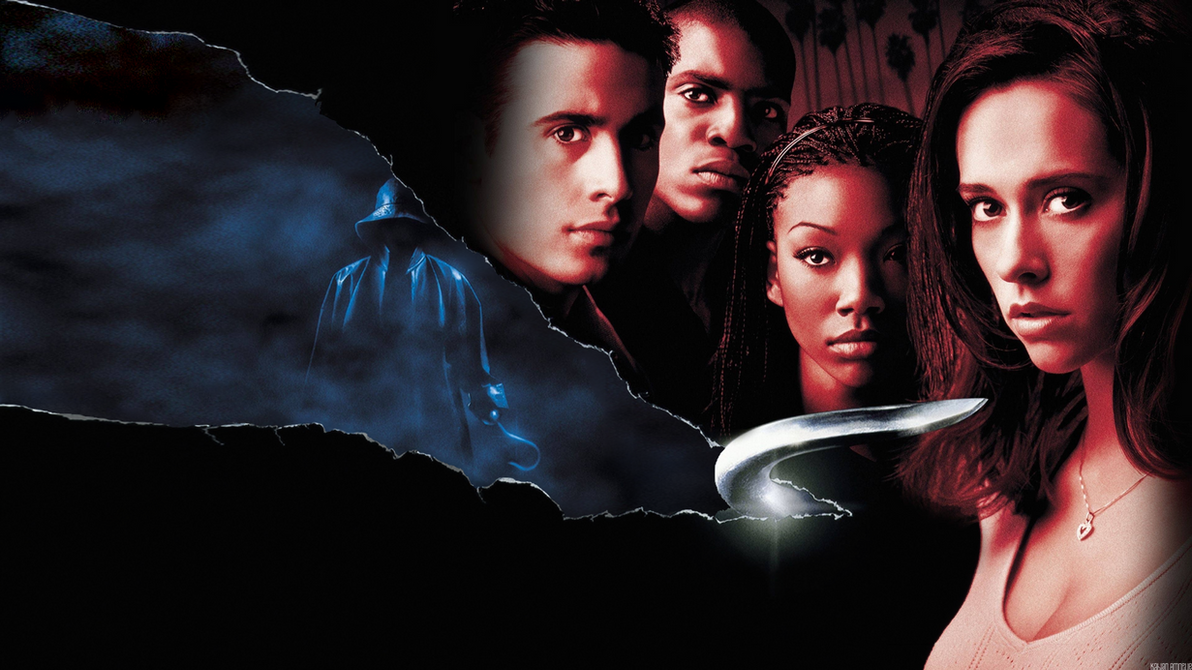
Cultural Impact and Legacy of I Still Know What You Did Last Summer: A Slasher Revival and Enduring Mystery

The late 1990s marked a pivotal era for horror cinema, where the slasher genre—once dominant in the 1970s and 1980s—faced a decline in mainstream appeal. Amid this shift, I Still Know What You Did Last Summer (1997) emerged as a cultural reset button, revitalizing the subgenre with a blend of nostalgia, psychological tension, and a marketing campaign that turned it into a pop-culture phenomenon. The film’s influence extended beyond box-office success, sparking fan theories, industry imitations, and a franchise that, despite mixed sequels, cemented its place in horror lore. Its ambiguous ending and meticulously crafted atmosphere also fostered decades of conspiracy discussions, proving that horror’s most enduring stories often thrive on what remains unsaid.
Reviving the Slasher Genre and Shaping 1990s Horror Trends

By 1997, the slasher genre had been overshadowed by supernatural horror (Scream, 1996) and psychological thrillers (Se7en, 1995), but I Still Know What You Did Last Summer reintroduced the "final girl" trope with a modern twist. Unlike its predecessors, the film abandoned campy gore for a slow-burn, anxiety-driven narrative, focusing on guilt, paranoia, and the psychological toll of a near-death experience. This shift aligned with the era’s fascination with "new horror," where films like The Blair Witch Project (1999) and Urban Legend (1998) prioritized atmosphere over jump scares.
The film’s success contributed to a brief resurgence of slasher films in the late '90s, inspiring titles such as The Faculty (1998) and Disturbing Behavior (1998), though none replicated its cultural footprint. Its influence also extended to television, with shows like American Horror Story (2011–present) and Slasher (2016) borrowing its structure of cyclical violence and unresolved endings. The film’s legacy lies in its ability to modernize the slasher formula while retaining its core appeal: the terror of being hunted by an unseen, vengeful force.
Marketing Strategies That Turned Fear into a Cultural Obsession
The marketing for I Still Know What You Did Last Summer was a masterclass in leveraging mystery and dread, using strategies that remain studied in film promotion today. The original teaser trailer, released months before the film, featured only eerie footage of the bayou, a shadowy figure, and the tagline "You can’t escape your past…" without revealing the killer’s identity. This approach created anticipation, positioning the film as an event rather than a typical summer release.
Table of Contents
- Cultural Impact and Legacy of I Still Know What You Did Last Summer : A Slasher Revival and Enduring Mystery
- Reviving the Slasher Genre and Shaping 1990s Horror Trends
- Marketing Strategies That Turned Fear into a Cultural Obsession
- Critical Reception and the Evolution of Audience Expectations Across Sequels
- Fan Theories and the Ambiguity That Defined a Generation of Horror Debates
- Production Timeline: From Script to Screen and Beyond
- Box-Office Performance, Budget, and Audience Ratings: A Comparative Analysis
- Character Analysis: Themes of Guilt, Fate, and Consequences in I Still Know What You Did Last Summer
- Julie James: Guilt as a Catalyst for Redemption
- The Fisherman: Symbolic Justice and the Supernatural as Moral Arbitrator
- Supporting Characters: Moral Fractures and Collective Guilt
- Visual and Symbolic Storytelling: The Language of Inescapable Consequences
- Behind-the-Scenes: Filmmaking Techniques and Challenges in I Still Know What You Did Last Summer
- Cinematography and Lighting: Crafting Paranoia Through Visuals
- Sound Design and Score: Silence as a Weapon
- Practical Effects and the Limits of 1990s CGI
- Production Challenges: Weather, Locations, and Creative Workarounds
- Comparative Analysis: I Still Know What You Did Last Summer vs. Contemporary Horror Films
- The Film’s Horror Elements: Jump Scares, Suspense, and Psychological Thrills
- Subverting Traditional Horror Tropes: The Final Girl and Predictable Kill Scenes
- Misdirection and Unreliable Narration: False Alarms and Ambiguous Clues
- Scene-by-Scene Analysis of Iconic Jump Scares
- Comparison with Horror Classics: Pacing, Tension, and Audience Engagement
- Recurring Motifs and Their Symbolic Meanings
- Pop Culture Influence: Parodies, Memes, and Modern References in I Still Know What You Did Last Summer
- Parodies and References in Film and Television
- Social Media Trends and Internet Culture
- Modern Horror Films and Series Citing I Still Know What You Did Last Summer as Influence
- Marketing Strategies: From 1998 to Viral Trends
Posters amplified the ambiguity, often depicting only the four main characters—Julie, Helen, Barry, and Ray—with the killer’s silhouette looming in the background, reinforcing the film’s central question: Who among them is next? The tagline "The past has a way of coming back to haunt you" played on collective fears of guilt and consequences, while the film’s logo—a stylized, blood-red eye—became iconic. These elements transformed the movie into a cultural conversation piece, with audiences speculating about the killer’s identity long before the release.
The marketing’s success was quantified in box-office performance, where the film grossed $104.8 million worldwide on a $13 million budget, making it one of the most profitable horror films of the decade. Its VHS and DVD releases further capitalized on its mystique, with special editions featuring deleted scenes and "behind-the-scenes" footage that deepened fan engagement.
Critical Reception and the Evolution of Audience Expectations Across Sequels
The original I Still Know What You Did Last Summer received mixed-to-positive reviews upon release, with critics praising its atmosphere and tension while criticizing its predictable plot. The New York Times described it as "a competent but unremarkable slasher," though audiences embraced its blend of suspense and teen drama. Over time, however, its reputation grew, with modern retrospectives highlighting its influence on the genre.
The sequels, however, struggled to recapture the original’s magic. I Know What You Did Last Summer (2003) and I Still Know What You Did Last Summer 2 (2006) faced declining box-office returns ($56.5 million and $24.6 million worldwide, respectively) and poor critical reception, with critics citing weaker scripts and over-reliance on the original’s premise. The franchise’s downfall reflected broader industry trends, where sequels often failed to innovate, instead leaning on nostalgia.
Audience expectations shifted from suspense to spectacle, with later entries prioritizing gore and action over psychological depth. The original’s ambiguity became its greatest asset, while the sequels suffered from over-explained plots and less compelling killers, eroding the mystery that defined the first film.
Fan Theories and the Ambiguity That Defined a Generation of Horror Debates
The film’s most enduring legacy lies in its ambiguous ending, which sparked decades of fan theories and internet debates. The most prominent theory revolves around the "fourth character"—the idea that one of the four teens was secretly the killer. Fans proposed Barry, Helen, Julie, or even Ray as potential culprits, citing subtle clues in the dialogue and cinematography.
One persistent theory suggests that Barry’s (Freddie Prinze Jr.) erratic behavior and his eventual fate (being killed by the hook-wielding figure) imply his guilt. Others point to Helen’s (Sarah Michelle Gellar) sudden breakdown as a sign of repressed trauma, while Julie’s (Jennifer Love Hewitt) role as the final girl leaves room for interpretation. The film’s final shot—a shadowy figure in the water—further fuels speculation, with some believing the killer was never fully revealed.
Behind-the-scenes, director Jim Gillespie and screenwriter Kevin Williamson (who also wrote Scream) intentionally left the ending open to spark discussion. Williamson later stated: > "The beauty of horror is that it’s about what you bring to the story. If people want to believe Barry was the killer, that’s part of the fun."
This approach turned the film into a cultural Rorschach test, with audiences projecting their own fears onto the narrative.
Production Timeline: From Script to Screen and Beyond
The film’s journey from script to screen was marked by tight deadlines and behind-the-scenes chaos, reflecting the fast-paced nature of 1990s horror production.
- 1995: Kevin Williamson writes the script in three days, inspired by a Scream-style premise of teens haunted by their past. - 1996: Filming begins in Louisiana, with the cast—including relative unknowns like Freddie Prinze Jr. and Sarah Michelle Gellar—undergoing intense rehearsals to build chemistry. - July 1997: The film premieres at Blockbuster Convention, generating massive buzz before its wide release. - 1997–1998: The film becomes a VHS sensation, selling over 5 million copies in its first year. - 2003: The sequel, I Know What You Did Last Summer, is released, attempting to capitalize on the original’s success but struggling with a weaker script. - 2006: The franchise’s final installment, I Still Know What You Did Last Summer 2, underperforms critically and commercially. - 2010s–Present: The original film gains a cult following, with re-releases on Blu-ray (2011) and streaming platforms (Netflix, 2018) introducing it to new generations.
Behind-the-scenes, the cast shared anecdotes about the film’s intense atmosphere. Jennifer Love Hewitt recalled: > "We were all so nervous during filming because the director wanted us to feel like we were genuinely scared. It worked—we were all jumpy on set!"
The film’s low-budget production ($13 million) contrasted with its high-impact marketing, proving that creative storytelling could outweigh expensive effects in horror.
Box-Office Performance, Budget, and Audience Ratings: A Comparative Analysis
The financial and critical trajectory of I Still Know What You Did Last Summer and its sequels reveals a clear decline in both commercial success and audience reception.
| Film Title | Release Year | Budget | Worldwide Gross | IMDb Rating (as of 2023
Character Analysis: Themes of Guilt, Fate, and Consequences in I Still Know What You Did Last SummerI Still Know What You Did Last Summer (1998) transcends its status as a slasher film by weaving a complex narrative of psychological torment, moral culpability, and inescapable retribution. The film’s character dynamics serve as a microcosm of human guilt, where each protagonist’s actions—whether intentional or accidental—unleash a supernatural force that mirrors their deepest regrets. Through Julie James, the protagonist, and "The Fisherman," the antagonist, the film explores how guilt manifests as an externalized entity, while the supporting characters embody fragmented moral failings that collectively invite fate’s wrath. Visual symbolism, recurring motifs, and dialogue further solidify the film’s themes, transforming it into a study of consequences where the past refuses to stay buried. The film’s tension arises from the collision between human agency and an almost biblical justice, where the characters’ sins—literal and metaphorical—become the catalyst for their downfall. Julie’s journey from denial to confrontation with her guilt exemplifies this struggle, while The Fisherman’s silent, methodical pursuit embodies the inevitability of reckoning. The supporting characters, each burdened by their own moral compromises, reflect how collective guilt amplifies the horror, creating a web of complicity that the supernatural cannot ignore.Julie James: Guilt as a Catalyst for RedemptionJulie James, portrayed by Jennifer Love Hewitt, serves as the emotional core of the film, her character arc defined by the weight of accidental death and the psychological unraveling that follows. Her guilt is not rooted in malice but in a moment of reckless youth—drunk driving that led to the drowning of a young boy, David. The film’s opening scene, a flashback to the boat accident, establishes Julie’s trauma immediately: her screams, the boy’s lifeless body, and the helplessness of her friends all frame her as a victim of circumstance, yet one who carries the burden of survival. This guilt is visceral, depicted through Julie’s nightmares, paranoia, and self-destructive behavior, such as her reckless driving and substance abuse. The film’s structure reinforces Julie’s internal conflict by juxtaposing her present-day terror with flashbacks to the accident. Each time The Fisherman appears, it is often preceded by Julie’s recollections of that fateful night, linking her psychological torment to the supernatural threat. For instance, when she hallucinates the boy’s voice whispering, "You can’t hide from me," it underscores the inescapable nature of her guilt. Her attempts to outrun her past—literal and metaphorical—only escalate the horror, as if the universe itself is punishing her for her inability to confront her actions. Dialogue further exposes her moral dilemma; in a pivotal scene with Helen, Julie admits, "I’ve tried to forget, but I can’t. Every time I close my eyes, I see his face." This raw confession reveals her struggle with redemption, suggesting that true atonement requires more than survival—it demands acknowledgment. Julie’s arc culminates in a moment of confrontation, where she must face the consequences of her actions directly. Unlike her friends, who attempt to rationalize or escape their guilt, Julie’s journey is one of acceptance. The final act, where she is forced to relive the drowning in a twisted, supernatural reenactment, symbolizes her reckoning. The film implies that her survival is conditional on her ability to acknowledge her guilt, a theme reinforced by her eventual breakdown and the film’s ambiguous ending, where she is left to grapple with the aftermath alone.The Fisherman: Symbolic Justice and the Supernatural as Moral ArbitratorThe Fisherman, the film’s enigmatic antagonist, is a masterful blend of horror tropes and psychological symbolism. Unlike traditional slashers who represent primal rage or sexual violence, The Fisherman embodies karma as a supernatural force, a silent judge who punishes the guilty without mercy. His origins are shrouded in mystery, but his actions suggest he is a manifestation of the collective guilt of the characters, a spectral avenger who ensures no sin goes unanswered. The film’s reliance on folklore and urban legends—particularly the idea of a vengeful spirit tied to water—positions The Fisherman as a figure of inescapable fate, a trope seen in myths like the Drowned Man or The Gallows Ghost. Visually, The Fisherman is designed to evoke dread through ambiguity. His distorted face, seen only in shadows or reflections, reinforces the theme of unseen consequences. The fishing net, a recurring symbol, represents the inescapable trap of guilt, while his association with water ties him to Julie’s original sin. The film’s use of sound design—the eerie, rhythmic plink-plink of a fishing line—creates an auditory metaphor for the inevitability of reckoning. Even his name, "The Fisherman," carries biblical undertones, evoking the Parable of the Dragnet (Matthew 13:47-50), where the righteous are separated from the wicked. In this context, The Fisherman is not just a killer but a divine enforcer, ensuring that the characters’ moral failings catch up to them. Psychologically, The Fisherman preys on the characters’ guilt, exploiting their fears and regrets. His attacks are never random; they are tailored to each character’s specific transgressions. For Helen, it’s her role in the accident and her subsequent denial; for Barry, it’s his cowardice and betrayal; for Ray, it’s his moral corruption. The Fisherman’s ability to manipulate their environments—flooding a house, luring them into the water—mirrors the way guilt consumes the mind, distorting reality until the truth is undeniable.Supporting Characters: Moral Fractures and Collective GuiltWhile Julie is the focal point of the film’s guilt narrative, her friends serve as dark reflections of her own moral failings, each representing a different facet of complicity. Their individual arcs highlight how shared trauma amplifies guilt, creating a collective burden that The Fisherman exploits.Visual and Symbolic Storytelling: The Language of Inescapable ConsequencesI Still Know What You Did Last Summer employs a rich visual vocabulary to reinforce its themes, using water, shadows, and recurring symbols to create an atmosphere of inevitability. Water, in particular, is the film’s most potent motif, representing both cleansing and drowning—the duality of guilt and redemption. The opening boat scene, where the characters’ carelessness leads to tragedy, is mirrored in their later encounters with The Fisherman, who always seems to emerge from or drag them into the water. This repetition underscores the cyclical nature of their guilt, suggesting that they are trapped in a loop of consequence. Shadows and reflections play a crucial role in the film’s horror, often obscuring The Fisherman’s true form while emphasizing the unseen weight of guilt. For example, when Julie first sees The Fisherman in her rearview mirror, his distorted face is barely recognizable, yet his presence is undeniable—a metaphor for how guilt distorts perception. The film’s use of close-ups onBehind-the-Scenes: Filmmaking Techniques and Challenges in I Still Know What You Did Last SummerI Still Know What You Did Last Summer (1997) revolutionized the slasher genre through its meticulous blend of atmospheric cinematography, practical effects, and innovative sound design. The film’s eerie tension and immersive dread were not accidental but the result of deliberate technical choices, creative problem-solving, and a willingness to embrace the limitations of 1990s filmmaking. From the claustrophobic underwater sequences to the haunting score, every element was crafted to amplify paranoia and inevitability. Meanwhile, the production faced logistical hurdles—ranging from Florida’s treacherous Everglades to early CGI constraints—that shaped the film’s raw, unsettling aesthetic. These techniques and challenges not only defined the movie’s identity but also influenced subsequent horror films of the era, solidifying its place as a benchmark for suspense-driven storytelling.Cinematography and Lighting: Crafting Paranoia Through VisualsThe film’s cinematographer, Peter Levy, collaborated closely with director Jim Gillespie to create a visual language that mirrored the protagonists’ psychological unraveling. The use of high-contrast lighting—particularly in scenes set at night—was pivotal in establishing tension. Shadows were exaggerated to obscure details, forcing the audience to fill in gaps with their imagination, much like the characters. For instance, the Fisherman’s first appearance relies heavily on backlighting and silhouettes, ensuring his presence feels more like a looming threat than a tangible figure. This technique was reinforced by practical lighting sources, such as flickering lanterns or car headlights, which cast uneven, unsettling glows across the characters’ faces. Underwater sequences, shot in Florida’s Crystal River, presented unique challenges. The crew used natural light filtration to create an eerie, green-tinted ambiance, while handheld cameras were employed to simulate the disorienting sensation of being submerged. The shallow depth of field in these scenes further isolated the characters, emphasizing their vulnerability. Additionally, slow-motion shots during the boat accident were achieved through crane movements and underwater rigging, adding a sense of weightlessness that heightened the scene’s brutality. The film’s camera angles were equally strategic. Low-angle shots during confrontations (such as Julie’s encounter with the Fisherman) positioned the audience as complicit observers, while Dutch angles during moments of panic disrupted spatial stability. The static, long takes in the cabin—such as the infamous scene where the characters realize they’re being watched—exploited the uncanny valley of silence and stillness, making the audience complicit in the characters’ paranoia.Sound Design and Score: Silence as a WeaponSound design in I Still Know What You Did Last Summer was as critical as the visuals, with Harry Manfredini’s score and soundtrack serving as auditory triggers for dread. Manfredini, best known for his work on Halloween, composed a minimalist, eerie score that relied on synth pads, distorted cellos, and pulsating basslines to create a sense of creeping unease. The score avoided traditional horror cues like screeching violins, instead opting for subtle, repetitive motifs that built tension over time. For example, the low, droning hum that accompanies the Fisherman’s presence was designed to feel inescapable, embedding itself in the audience’s subconscious. Silence was the most potent tool. The film’s lack of diegetic sound—such as the absence of birdsong or ambient noise in the Everglades—amplified the characters’ isolation. When the Fisherman’s knocking on the cabin door is heard, the preceding silence makes the sound jarring and disorienting. Similarly, the sudden cuts to silence during moments of revelation (e.g., the discovery of the boat’s wreckage) forced the audience to lean in, heightening the stakes. The soundtrack’s strategic placement of songs—such as The Cure’s "Plainsong"—was no accident. The song’s melancholic, atmospheric quality mirrored the characters’ guilt and impending doom. Manfredini also incorporated field recordings of rustling leaves, distant splashes, and whispers, which were later layered to create an unsettling aural landscape. The lack of a traditional horror leitmotif (like a theremin screech) was a deliberate choice to keep the threat ambiguous and psychological.Practical Effects and the Limits of 1990s CGIWhile modern horror films rely heavily on CGI, I Still Know What You Did Last Summer was constrained by the technical limitations of the late 1990s. The Fisherman’s first appearance, for instance, was achieved through practical effects and clever editing. The distorted, fish-like face was created using a latex mask and prosthetics, while the waterlogged, decaying appearance was enhanced with greasepaint and special makeup. The crew used forced perspective and miniature sets to make the Fisherman appear larger than life during his underwater sequences. The boat accident scene was one of the most physically demanding sequences. The explosion and sinking were filmed using a full-scale replica of the boat, which was rigged to collapse realistically. The actors performed their own stunts, including Jensen Daggett’s leap into the water, which was shot in multiple takes to capture the correct angle and timing. The underwater shots required breath-holding techniques and diving suits to protect the actors from the river’s cold, murky depths. The film’s most ambitious CGI element was the Fisherman’s submerged, skeletal hand reaching for Helen’s leg. This was one of the first instances where early CGI integration was used in a horror film, but the technology was still rudimentary. The crew had to shoot multiple plates and rely on rotoscoping to composite the effect seamlessly. The result, while not flawless, added an uncanny, otherworldly quality to the Fisherman’s appearances, reinforcing his status as a supernatural entity.Production Challenges: Weather, Locations, and Creative WorkaroundsFilming in Florida’s Everglades presented numerous logistical challenges. The swamps and rivers were not only difficult to navigate but also prone to sudden weather changes. The crew often had to abandon shoots due to storms, forcing them to reschedule scenes and work around tight deadlines. The humidity and insects also took a toll on the cast and crew, with mosquitoes and no-see-ums becoming a constant nuisance. The remote locations required extensive preparation, including building temporary sets and securing permits for shooting in protected areas. The cabin scene, for example, was filmed in a repurposed hunting lodge that had to be modified to look more isolated and decayed. The crew used fake cobwebs, dirt, and rusted metal to enhance the sense of abandonment. One of the most creative workarounds involved the Fisherman’s boat. Since the film’s budget did not allow for a full-scale, authentic vessel, the crew built a hybrid set—part practical boat, part miniature—that was filmed from various angles and distances to maintain the illusion. Similarly, the underwater scenes required diving bells and underwater cameras that were notoriously difficult to operate, leading to multiple reshoots.Comparative Analysis: I Still Know What You Did Last Summer vs. Contemporary Horror FilmsWhen compared to other 1990s horror films, I Still Know What You Did Last Summer stood out for its commitment to practical effects and psychological tension rather than relying on jump scares or gore. While films like Scream (1996) used self-aware meta-commentary and slasher tropes, and The Blair Witch Project (1999) embraced found-footage realism, I Still Know What You Did Last Summer focused on slow-burn dread and supernatural ambiguity. The film’s production design—particularly its naturalistic settings—was a departure from the urban, high-school-centric slasher films of the era. Unlike Scream, which relied on stylized sets and bright lighting, I Still Know What You Did Last Summer used mud, water, and decay to create a gritty, visceral atmosphere. The lack of a clear villain until the third act also set it apart, as most slashers of the time introduced the killer early to establish rules. The sound design and score were similarly innovative. While Scream used pop-culture references and ironic humor, and The Blair Witch Project relied on realistic ambient noiseThe Film’s Horror Elements: Jump Scares, Suspense, and Psychological ThrillsI Still Know What You Did Last Summer redefined slasher film conventions by blending psychological tension with visceral horror, creating an experience that lingers long after the credits roll. Unlike traditional horror films that rely on predictable kill scenes or exaggerated jump scares, this 1998 cult classic employed misdirection, unreliable narration, and meticulously crafted suspense to keep audiences on edge. The film’s ability to subvert expectations—particularly in its treatment of the "final girl" trope and the use of ambiguous clues—elevated it beyond a typical teen slasher, making it a study in modern horror filmmaking. By analyzing its iconic jump scares, pacing techniques, and symbolic motifs, this section explores how I Still Know What You Did Last Summer mastered the art of suspense while leaving audiences questioning what they’ve witnessed.Subverting Traditional Horror Tropes: The Final Girl and Predictable Kill ScenesI Still Know What You Did Last Summer dismantled slasher film conventions by rejecting the archetype of the "final girl," a trope where the sole surviving female protagonist embodies purity and resilience. In this film, Julie James (Sarah Michelle Gellar) and Helen Shivers (Jennifer Love Hewitt) are not invincible; their survival hinges on luck, guilt, and psychological manipulation rather than moral superiority. The Fisherman (Steve Railsback) does not target them based on their virtue but because they are witnesses to his crime—a departure from the "innocent vs. evil" binary of films like Halloween (1978) or Scream (1996). The film also abandoned predictable kill scenes, where victims are dispatched in rapid succession with little narrative weight. Instead, deaths in I Still Know What You Did Last Summer are drawn out, often occurring off-screen or through implication. For example, the drowning of Ray Bronson (Freddy Rodríguez) is suggested rather than shown, forcing the audience to fill in the blanks with dread. This approach mirrors the psychological horror of Psycho (1960), where Alfred Hitchcock withheld visual confirmation of Marion Crane’s death, relying instead on sound and implication to heighten tension.Misdirection and Unreliable Narration: False Alarms and Ambiguous CluesThe film’s reliance on misdirection and unreliable narration creates a sense of paranoia, where the audience—and the characters—cannot trust their perceptions. False alarms, such as the shower scene early in the film, set a precedent for deception. Julie and Helen believe they are safe in Julie’s bathroom, but the sudden intrusion of the Fisherman—only to reveal it’s a prank—leaves them (and the audience) questioning reality. This technique echoes The Blair Witch Project (1999), where found-footage gimmicks blur the line between fiction and reality, but I Still Know What You Did Last Summer achieves this through character-driven tension rather than technical innovation. Ambiguous clues further complicate the narrative. The Fisherman’s identity remains elusive until the climax, and even then, his motives are left open to interpretation. For instance, the masked figure seen lurking near the docks could belong to the Fisherman, a local fisherman, or even a hallucination. The film’s use of sound design—such as distant splashing or whispers—adds to the ambiguity, making the audience question whether the threat is real or imagined. This reliance on suggestion rather than exposition aligns with the horror techniques of The Thing (1982), where paranoia is cultivated through unreliable characters and environmental dread.Scene-by-Scene Analysis of Iconic Jump ScaresThe film’s jump scares are not mere shock tactics but carefully orchestrated moments that build upon prior tension. Below is an analysis of its most memorable sequences, detailing the buildup and execution:
Comparison with Horror Classics: Pacing, Tension, and Audience EngagementWhile I Still Know What You Did Last Summer shares DNA with slasher films like Halloween and Friday the 13th, its pacing and tension techniques set it apart. Unlike Halloween, which relies on a single, relentless killer (Michael Myers), the Fisherman’s identity and motives are shrouded in mystery, creating a prolonged sense of dread. The film’s pacing is deliberate, with long stretches of quiet tension interspersed with sudden bursts of violence—similar to Psycho, where Hitchcock’s use of silence and sudden screams keeps audiences off-balance. Another key difference is the film’s character-driven suspense. In Scream (1996), Wes Craven used meta-commentary to subvert horror tropes, but I Still Know What You Did Last Summer achieves this through psychological depth. The characters’ guilt and paranoia drive the plot, making the horror feel personal rather than generic. This approach aligns with modern horror films like Hereditary (2018), where internal conflict fuels external terror.Recurring Motifs and Their Symbolic MeaningsThe film employs several recurring motifs that deepen its horror and thematic resonance. These symbols are not merely decorative but integral to the story’s psychological and supernatural undertones:
Social Media Trends and Internet CultureThe rise of social media transformed I Still Know What You Did Last Summer into a viral phenomenon, with fans recreating iconic scenes, sharing memes, and engaging in challenges inspired by the film. One of the most enduring trends is the "Fisherman Challenge", a darkly humorous meme where users recreate the scene where the killer (played by Ryan Phillippe) menacingly approaches the characters on the beach. The challenge gained traction on platforms like TikTok and Instagram, with users filming themselves in similar settings, often adding comedic twists such as exaggerated reactions or fake jump scares. The trend peaked during Halloween seasons, with hashtags like #FishermanChallenge accumulating millions of views. Another significant meme revolves around the film’s catchphrase, "I still know what you did last summer." The line has been repurposed in countless contexts, from fan edits where the text appears in unexpected scenarios (e.g., a boss reprimanding an employee) to YouTube commentary videos where the phrase is used as a punchline. The phrase’s versatility has also made it a staple in horror-themed meme pages, often paired with images of the killer’s mask or the film’s iconic DVD cover. Fan art inspired by the film remains prolific, with artists on DeviantArt and Instagram creating everything from character redesigns to alternate ending illustrations. The film’s aesthetic—moody lighting, 1990s fashion, and eerie coastal settings—continues to inspire creators, who often blend nostalgia with modern art styles. Additionally, cosplay communities frequently reference the film, with fans dressing as the killer, Helen Shivers, or Julie James, often during horror conventions or Halloween events.Modern Horror Films and Series Citing I Still Know What You Did Last Summer as InfluenceThe film’s legacy extends to contemporary horror, with directors and writers explicitly citing it as a key influence. Its blend of revenge storytelling, psychological tension, and dark humor has resonated with newer generations of creators. Notable examples include:Marketing Strategies: From 1998 to Viral TrendsThe original marketing campaign for I Still Know What You Did Last Summer relied on television spots, posters, and word-of-mouth, leveraging its mystery-driven premise to generate buzz. The film’s tagline—"You don’t know what they did last summer…"—was designed to intrigue audiences, while posters featured the killer’s shadowy figure looming over the characters, emphasizing suspense. In contrast, modern horror films utilize social media-driven campaigns, particularly TikTok, Instagram, and YouTube, to create viral moments. For example:MerchandiseI Still Know What You Did Last Summer didn’t just scare audiences—it haunted them, embedding itself into the cultural fabric as a masterclass in suspense and legacy. Its fusion of psychological horror, clever misdirection, and unforgettable imagery continues to inspire filmmakers, memes, and even modern horror trends. More than a slasher flick, it’s a timeless study of guilt, justice, and the terror of what lurks beneath the surface—both in the water and within us. |
|---|
Leave a Comment
Comments are moderated before appearing. The data you submit is processed according to the Privacy Policy of Littlepoolco.