What Time Is The Yankee Game Decoded For Fans
The New York Yankees’ schedule is more than just a list of dates—it is a carefully orchestrated blend of tradition, strategy, and fan anticipation. From the crack of the bat at Yankee Stadium to the final out under the lights, every second counts, shaping how millions experience America’s most storied franchise. Whether you’re a die-hard Bronx native or a casual viewer tuning in from Tokyo, understanding the nuances of game times—from first pitch to post-game fireworks—can transform a routine outing into an unforgettable ritual.
Behind the scenes, MLB’s evolving rules, cross-country travel, and unpredictable weather conspire to keep schedules in flux, while technological tools and real-time alerts empower fans to navigate the chaos. Yet, beyond logistics, the timing of Yankees games carries cultural weight, from the golden era of night baseball to the emotional resonance of late-night victories that echo through history. Deciphering these rhythms reveals not just when the game starts, but why it matters—how a single hour can shift from frustration over a delayed flight to euphoria as the team clinches a postseason berth.
Understanding the New York Yankees' Game Schedule: Structure, Logistics, and Fan Impact

The New York Yankees’ game schedule is a dynamic framework shaped by Major League Baseball’s (MLB) season structure, travel logistics, and evolving playoff formats. As one of MLB’s most storied franchises, the Yankees’ calendar reflects both the team’s historical significance and the modern demands of professional sports. From the 172-game regular season to high-stakes postseason matchups, scheduling decisions impact player performance, fan attendance, and broadcasting reach. Understanding these elements provides clarity on how the Yankees’ schedule operates, from home standouts at Yankee Stadium to grueling road trips across North America, and how external factors like weather and MLB rule changes introduce variability.
The Yankees’ schedule is not static; it evolves annually based on MLB’s divisional realignment, inter-league play, and postseason expansion. Recent rule changes, such as the introduction of a 17-game interleague series and the expanded 12-team playoffs, have altered the frequency and timing of games. Meanwhile, travel logistics—including flight schedules, hotel accommodations, and cross-time-zone adjustments—play a critical role in shaping the team’s itinerary. For fans, this translates to a mix of predictable home games and unpredictable disruptions due to weather or rescheduling. Below, the intricacies of the Yankees’ schedule are dissected, from its foundational structure to the real-world challenges that shape it.
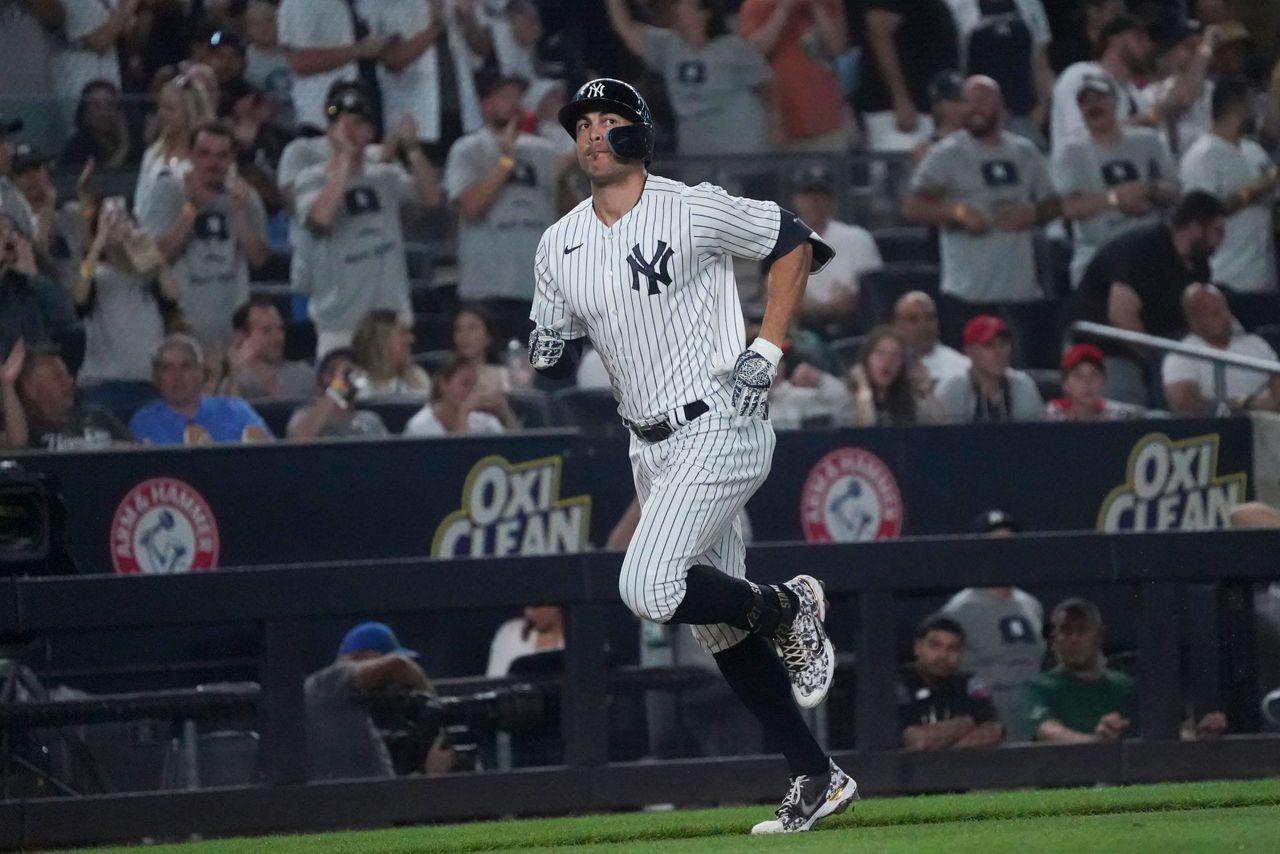
MLB Season Structure and Its Influence on the Yankees' Schedule
The Yankees’ schedule is primarily governed by MLB’s annual season framework, which consists of three distinct phases: the regular season, postseason, and offseason. The regular season spans 172 games (81 home, 91 away) across 162 days, beginning in late March or early April and concluding in late September or early October. This structure is designed to balance competitive play with player rest, though the Yankees’ demanding schedule often pushes athletes to their limits.
Key components of MLB’s season structure that affect the Yankees include: - Division and League Play: The Yankees compete in the American League East (AL East), facing division rivals like the Boston Red Sox, Tampa Bay Rays, and Toronto Blue Jays more frequently than teams from other divisions. Interleague play (vs. National League teams) occurs in a 10-game series against each NL opponent, adding variety to the schedule. - Expanded Playoffs: Since 2022, MLB’s postseason has expanded to 12 teams, with the Yankees now having multiple pathways to the World Series. This includes potential wild-card berths and division series (ALDS) matchups, which can extend the season into November. - New Game Formats: Recent rule changes, such as the 10-game interleague series and shorter spring training, have compressed the offseason while increasing the regular season’s intensity. Additionally, the pitch clock and limited commercial breaks aim to expedite games, though their impact on scheduling remains secondary to travel and weather disruptions.
Table of Contents
- Understanding the New York Yankees' Game Schedule: Structure, Logistics, and Fan Impact
- MLB Season Structure and Its Influence on the Yankees' Schedule
- Home and Away Game Distribution: Yankee Stadium and the Road Map
- MLB Rule Changes and Their Effect on the Yankees’ Schedule
- Navigating Real-Time Yankees Game Times: Tools, Synchronization, and Fan Logistics
- MLB’s Official Clock and Time Zone Synchronization for Live Broadcasts
- Step-by-Step Guide to Setting Real-Time Alerts for Yankees Game Times
- Interpreting "First Pitch" Time vs. Actual Game Start Time
- Calculating Transit Time to Yankee Stadium Using Real-Time Game Start Times
- Time Management for Yankees Game Day: A Fan’s Guide
- Arrival Times and Security Considerations at Yankee Stadium
- Pre-Game Preparation Checklist for Time Efficiency
- Navigating Yankee Stadium with Interactive Tools
- Balancing Game Time with Pre- and Post-Game Events
- Historical and Cultural Significance of Yankees Game Times
- Night Games and the Transformation of Fan Culture in the 1970s
- Iconic Yankees Games Where Timing Became Legendary
- MLB’s Blackout Rules and the Evolution of Game Time Viewership
- Yankees Game Times During Major National Events
- Comparative Analysis: Yankees Home vs. Away Game Durations
The Yankees’ schedule is further influenced by MLB’s scheduling algorithm, which prioritizes: - Geographical clustering to minimize back-to-back long-distance trips. - Revenue-sharing considerations, ensuring high-profile matchups (e.g., Yankees vs. Red Sox) are scheduled for prime television slots. - Fan experience, with home standouts often aligned with holidays (e.g., July 4th fireworks games at Yankee Stadium) or local events.
Home and Away Game Distribution: Yankee Stadium and the Road Map
The Yankees’ schedule is divided nearly equally between home games at Yankee Stadium and away games across MLB venues, though the distribution varies based on divisional opponents and interleague pairings. Understanding this split reveals how travel logistics and stadium availability shape the team’s calendar.
Home Games at Yankee Stadium - The Yankees host 81 home games annually, with a mix of day games (1:05 PM ET) and night games (8:10 PM ET). - Prime home standouts often occur in May, June, and September, aligning with peak attendance periods. For example: - Memorial Day Weekend (late May) typically features a three-game series against a division rival. - Labor Day Weekend (early September) draws massive crowds, with games sometimes extending into doubleheaders if rainouts occur earlier in the week. - Special events at Yankee Stadium, such as MLB All-Star Game hosting (2024) or charity nights, may require rescheduling or added security protocols, impacting the schedule.
Away Games and Travel Logistics - The Yankees’ 91 away games span 29 of MLB’s 30 teams, with frequent trips to Boston, Toronto, and Tampa Bay due to AL East rivalries. - Travel patterns follow a hub-and-spoke model, with: - Short trips (e.g., New England or Florida) averaging 1-2 days per series. - Long-haul trips (e.g., West Coast or Midwest) requiring 3-4 days, including layovers in cities like Chicago or Denver. - Time zone adjustments are critical; for instance, a 9:10 PM ET game in Los Angeles (6:10 PM PT) may start later than advertised due to travel delays.
Impact of Stadium Availability - Some away games are doubleheaders (e.g., Yankees vs. Red Sox in Boston), which can compress schedules. - Shared stadiums (e.g., Tropicana Field in St. Petersburg) may have limited availability, leading to last-minute rescheduling. - International series (e.g., London Series in June) add logistical complexity, with games often played Thursday-Sunday to accommodate fan travel.
MLB Rule Changes and Their Effect on the Yankees’ Schedule
Recent MLB rule changes have introduced structural and temporal shifts to the Yankees’ schedule, altering game timing, frequency, and postseason dynamics. The most significant adjustments include:
- Expanded Playoffs (2022-Present) - The 12-team playoff format means the Yankees could now face up to 20 postseason games (vs. 16 under the old system), extending the season into November. - Wild Card Series (ALWC) and Division Series (ALDS) add two additional series before the American League Championship Series (ALCS). - Example: In 2023, the Yankees’ postseason ran from October 3–29, with the ALCS spanning 11 days due to rainouts and rescheduling.
- 10-Game Interleague Series (2020-Present) - Replaced the three-game interleague series, increasing the Yankees’ exposure to National League teams (e.g., Mets, Dodgers, Braves). - Scheduling impact: The Yankees now play 10 interleague games (vs. 6 previously), with two series against each NL opponent (home and away). - Prime matchups often occur in May and September, when interleague play is concentrated.
- Pitch Clock and Game Pace - The 15-second pitch clock (enforced in 2023) aims to reduce game length, but its effect on scheduling is indirect. - Fewer delays could theoretically allow for more games in a single trip, though MLB has not yet adjusted the regular season length.
- Shorter Spring Training (2024 Adjustments) - MLB’s 2024 spring training was shortened to 17 days (vs. 20 previously), pushing the regular season start to March 20 (earlier than 2023). - Impact on schedule: Teams have less time for adjustments, increasing the stakes of early-season games.
Table: Regular Season vs. Postseason Schedule Comparison
| Factor | Regular Season (172 Games) | Postseason (12-Team Format) |
|---|---|---|
| Duration | ~162 days (April–September) | October–November (varies by round) |
| Game Frequency | 1 game/day (mostly), occasional doubleheaders | 1–2 games/day (series-based) |
| Home/Away Split | 81 home, 91 away | Varies by round (e.g., ALDS could be 2-2-1 home) |
| Prime Time Slots | 1:05 PM ET (day), 8:10 PM ET (night) | 8:00 PM ET (network TV), late starts if delayed |
| Audience Turnout | Highest in May–September (holidays, promotions) | Lower in early rounds, spikes in ALCS/WCS |
| Weather Disruptions |
Navigating Real-Time Yankees Game Times: Tools, Synchronization, and Fan Logistics
The New York Yankees’ game schedule is dynamic, influenced by factors like weather, player availability, and MLB-wide adjustments, making real-time updates essential for fans. Understanding how to access accurate game times—whether for home matches at Yankee Stadium or away games across time zones—requires leveraging official MLB tools, third-party platforms, and logistical planning. This section explores the synchronization of MLB’s official clock with global time zones, step-by-step methods for setting alerts, and the nuances of interpreting "First Pitch" times versus actual game starts. It also covers transit planning, source accuracy comparisons, and technical setup for push notifications, ensuring fans stay informed regardless of location or device.
MLB’s Official Clock and Time Zone Synchronization for Live Broadcasts
MLB’s official clock, integrated into live broadcasts, operates on Eastern Time (ET) for home games at Yankee Stadium, but its synchronization extends globally to accommodate international audiences. During broadcasts, the clock reflects the local time of the game’s venue, even for away matches. For example, a Yankees game in Chase Field (Arizona, Mountain Time) will display the clock in MT, while fans in New York see the equivalent ET time (e.g., 7:00 PM MT = 9:00 PM ET). This dual-time display is critical for fans in different regions, as delays (e.g., rainouts, injuries) are announced in the venue’s local time but may require conversion for accurate planning.
The MLB Network and ESPN broadcasts include a secondary digital overlay showing the time in major cities (e.g., New York, Los Angeles, London), ensuring clarity. For international fans, MLB’s global streaming partners (e.g., DAZN in Europe, Willow TV in Australia) adjust clocks to local time zones, though some platforms may default to ET. Pro Tip: Use the MLB Ballpark app or ESPN ScoreCenter to toggle between venue time and your local time during live games, avoiding confusion during time-sensitive moments like extra innings or walk-off victories.
Step-by-Step Guide to Setting Real-Time Alerts for Yankees Game Times
Real-time alerts minimize missed games due to last-minute changes, such as rescheduled start times or rain delays. Below are verified methods to configure alerts across platforms, prioritizing reliability and ease of use.
1. MLB Official App (iOS/Android) The MLB Ballpark app is the most direct source for official updates, including push notifications for time changes. - Setup Process: - Open the app and navigate to the Yankees’ schedule (tap the team logo). - Select the upcoming game, then tap the bell icon (⏰) to enable alerts. - Choose “Game Time Changes” and “First Pitch” notifications. - For away games, ensure the app is set to local venue time (Settings > Time Zone) to avoid misinterpretation. - Accuracy Note: Alerts are sent 10–15 minutes before adjustments, with delays often confirmed via MLB Network broadcasts or official Twitter/X accounts.
2. Twitter/X (@MLB, @Yankees) MLB’s official Twitter/X account (@MLB) and the Yankees’ account (@Yankees) post real-time updates, including First Pitch delays and new start times, often before the app reflects changes. - How to Follow: - Search for #Yankees or #MLB in the Twitter/X app. - Enable notifications for keywords (Settings > Notifications > Keywords > Add “Yankees” or “First Pitch”). - Use the “Latest” tab under the Yankees’ profile to see chronological updates. - Example: During a 2023 rain delay, the Yankees’ account tweeted “First Pitch delayed 90 minutes due to weather” at 6:47 PM ET, while the app updated at 7:02 PM ET.
3. Third-Party Platforms (ESPN, SportsCenter, Yahoo Sports) ESPN’s ScoreCenter and ESPN App provide real-time updates with a “Game Status” section that highlights time changes, often accompanied by a “Delay” or “Rescheduled” label. - ESPN App Setup: - Open the app, go to the Yankees’ schedule, and tap the game. - Toggle on “Alerts” under the game details. - ESPN’s push notifications are typically 5–10 minutes faster than MLB’s app for breaking changes. - SportsCenter (TV/App): The ESPN SportsCenter ticker at the bottom of the screen updates game times in real time, useful for fans watching broadcasts.
4. Google Calendar and Apple Calendar Integration For fans who rely on digital calendars, MLB’s iCal feed (available via MLB.com) can auto-populate game times, including updates. - Steps for Google Calendar: - Go to MLB.com/Schedules/Yankees, click the calendar icon (📅). - Select Google Calendar and authorize access. - Updated times will auto-sync if the event is marked as “Flexible.” - Apple Calendar: Use the same iCal link or manually add events from the MLB app, then enable reminders for time-sensitive games.
Interpreting "First Pitch" Time vs. Actual Game Start Time
The "First Pitch" time listed on schedules is often misinterpreted as the exact start of the game, but it accounts for pre-game ceremonies, national anthem, and potential delays. Understanding this distinction is crucial for punctual attendance.
Key Differences:
| Term | Definition | Example Scenario |
|---|---|---|
| First Pitch Time | Official scheduled time for the first pitch of the game. | 7:10 PM ET (listed on tickets/schedule). |
| Gate Opening Time | Typically 90–120 minutes before First Pitch, allowing fans to enter early. | Gates open at 5:00 PM ET for a 7:10 PM game. |
| Actual Game Start | May begin 5–30 minutes after First Pitch due to delays (e.g., rain, lineup changes). | First Pitch at 7:10 PM, but game starts at 7:15 PM with a 5-minute delay. |
| Rain Delay Protocol | If rain occurs after First Pitch, the game may resume 30–60 minutes later. | First Pitch at 7:10 PM, but game resumes at 8:45 PM ET after a 1.5-hour delay. |
Pre-Game Factors Affecting Start Time: - National Anthem and Ceremonies: Adds 3–7 minutes to the timeline. - Lineup Announcements: Often delayed by 5–10 minutes if there are last-minute roster changes. - Weather Delays: Even if First Pitch is on time, rain after the anthem can pause the game for 30+ minutes. - MLB Network Broadcasts: May show pre-recorded content (e.g., highlights) before the game starts, causing confusion about live timing.
Fan Tip: Arrive at least 60 minutes before First Pitch to account for security lines, especially during peak seasons (April, September). Use the Yankee Stadium app for real-time gate status updates.
Calculating Transit Time to Yankee Stadium Using Real-Time Game Start Times
For fans relying on public transit, real-time traffic and schedule adjustments are critical to avoid delays. Tools like Google Maps, Apple Maps, and transit apps (e.g., Citymapper, Transit) integrate live data to optimize travel based on game times.
Step-by-Step Transit Planning: 1. Input the Game’s First Pitch Time: - Open Google Maps and search for “Yankee Stadium”. - Tap “Directions”, select your starting location, and choose transit, driving, or walking. - Under “Departure Time”, select “Now” or manually enter the First Pitch time minus 1 hour (e.g., 6:10 PM ET for a 7:10 PM game).
2. Enable Real-Time Traffic and Delays: - Google Maps shows live transit updates (e.g., “Subway delayed 15 minutes”). - For driving, use Waze or Google Maps’ traffic layer to avoid congestion near 161st Street (main stadium entrance). - Pro Tip: If the game is delayed, refresh the app—Google Maps updates transit times dynamically (e.g., a 7:45 PM First Pitch may require leaving at 6:45 PM instead of
Time Management for Yankees Game Day: A Fan’s Guide
Game day at Yankee Stadium is more than just watching a match—it’s an experience shaped by meticulous planning, especially when balancing arrival times, security protocols, and the excitement of pre- and post-game events. Fans who arrive too late risk missing iconic moments like the first pitch, fireworks, or player meet-and-greets, while those who arrive too early may face unnecessary congestion in security lines or overcrowded concessions. Understanding the rhythm of the stadium—from seasonal variations in wait times to optimal paths through concourses—transforms a chaotic day into a seamless, memorable outing. This guide dissects the logistics of time management, offering actionable strategies to navigate the stadium efficiently, avoid common pitfalls, and maximize enjoyment without the stress of time pressure.
Arrival Times and Security Considerations at Yankee Stadium
Security at Yankee Stadium operates on a tiered system influenced by factors such as game significance, opponent rivalry, and seasonal attendance spikes. The MLB Security Advisory System categorizes games into four levels (1–4), with Level 4 (highest security) triggering longer wait times—often 90–120 minutes before first pitch—due to heightened screening measures. During peak seasons (April, September, or playoffs), fans should account for additional 15–30 minutes beyond standard estimates, as lines stretch longer due to higher foot traffic. Upper deck and general admission sections typically experience shorter wait times compared to luxury suites or club levels, where VIP protocols add complexity.
Seasonal variations also play a critical role: - Spring Training (February–March): Security lines average 45–60 minutes, with lighter crowds allowing faster processing. - Regular Season (April–September): Midweek games see 60–90 minutes of wait time, while weekends or matchups against rivals (e.g., Red Sox, Dodgers) can extend to 2+ hours. - Postseason/Playoffs (October): Expect 120+ minutes of security processing, with staggered entry times to mitigate crowd surges.
Pro Tip: The Yankees’ official app provides real-time security wait time updates via the "Stadium Alerts" feature, which adjusts dynamically based on gate traffic. Fans are encouraged to check this 30 minutes before departure to avoid overestimating or underestimating arrival buffers.
Pre-Game Preparation Checklist for Time Efficiency
Efficient pre-game preparation reduces last-minute scrambles and ensures fans arrive at the stadium with minimal stress. The following checklist prioritizes tasks based on time sensitivity, categorized by urgency:
Critical Tasks (Complete 24–48 Hours Before Game Day):
Parking/Transportation: Reserve spots via the Yankees Parking Pass (if driving) or validate public transit routes (Metro-North to 125th St, subway to 161st St). Uber/Lyft surge pricing peaks 2–4 hours pre-game, so book rides in advance or use the "Yankees Ride Share" promo codes. Ticket Validation: Ensure mobile tickets are downloaded to the Yankees app or printed, as paper tickets may require additional verification at security. Concession Strategy: Pre-purchase food/drink packages (e.g., $25–$50 meal deals) via the app to bypass lines during peak periods. Popular items like hot dogs, nachos, and beer sell out quickly in the 7th inning.
- Morning of Game Day (3–4 Hours Before Kickoff):
- Dress Code Compliance: Avoid wearing jerseys of opposing teams (e.g., Red Sox, Astros) or large bags, which may trigger extended pat-downs.
- Accessories Check: Remove belts with large buckles, lighters, or oversized jewelry to expedite metal detector screening.
- Stadium Map Review: Use the interactive Yankees Stadium app to plot the shortest route from entry gates to seats, restrooms, and concessions. Proximity to exits is critical for post-game events like fireworks.
- 1–2 Hours Before Game Start:
- Tailgate Participation: If attending a tailgate (common in Monroe Park or River Avenue), confirm pickup/drop-off times with hosts to avoid missing the first pitch (typically at 7:10 PM ET for regular season games).
- Restroom Plan: Locate the nearest restrooms to your section using the app’s "Facilities" tab—upper deck restrooms (e.g., Section 130) are less crowded than those near the field.
- Bluetooth Speaker Test: Ensure portable speakers or headphones are charged for listening to in-game commentary or music during walks to/from seats.
- 30–45 Minutes Before First Pitch:
- Gate Entry: Arrive at the designated entrance 15 minutes before the announced entry time to account for last-minute security delays.
- Seat Location Verification: Confirm row/section numbers with ushers upon entry to avoid detours to the wrong concourse.
- Weather Prep: Check the Yankees app forecast for rain delays; bring ponchos or umbrellas if needed, as outdoor seating (e.g., Section 101) lacks full coverage.
Navigating Yankee Stadium with Interactive Tools
Yankee Stadium’s official app and interactive website serve as digital concierges, offering real-time navigation aids that adapt to crowd dynamics. Key features include: - Live Concourse Maps: Highlight high-traffic areas (e.g., Club Level, 33rd Street gates) and suggest alternative routes during peak hours. - Restroom Availability: A color-coded system (green = available, red = full) updates every 10 minutes, helping fans avoid 20-minute waits in lines. - Concession Wait Times: Estimated lines for popular vendors (e.g., Shake Shack, Nathan’s) are posted 30 minutes before halftime and the 7th inning stretch. - Accessibility Routes: Designated paths for fans with disabilities or mobility aids are marked on the map, with priority seating areas noted.
Example Workflow: 1. Post-Entry: Scan the map for the nearest restroom to your section (e.g., Section 112 fans should head to the upper deck restrooms near Gate E). 2. Halftime: Use the app’s "Concession Alerts" to identify the least crowded vendor (e.g., hot dog stands near Gate F often have shorter lines than those near the field). 3. 7th Inning Stretch: The app suggests alternate exit routes if fireworks delay post-game celebrations, ensuring fans can leave efficiently.
For fans without smartphones, kiosks near each entrance display updated wait times and concourse layouts. However, these lack real-time updates, making the app the superior tool.
Balancing Game Time with Pre- and Post-Game Events
The Yankees enhance the game-day experience with structured events that require precise time management to avoid conflicts. Below is a breakdown of key moments and their optimal viewing windows:
| Event | Typical Duration | Optimal Viewing Window | Time Management Tip | |||||||||||
|---|---|---|---|---|---|---|---|---|---|---|---|---|---|---|
| First Pitch Ceremony | 5–10 minutes | Arrive by 7:05 PM ET (regular season) to witness guest appearances or player introductions. | Use the app’s "First Pitch Alert" to set reminders if running late from security. | |||||||||||
| Fireworks (Post-Game) | 3–5 minutes | Occur immediately after the final out (typically 10:00–10:30 PM ET). | Position yourself near exits leading to the field-level concourse for unobstructed views. | |||||||||||
| Player Meet-and-Greets (Post-Game) | 15–30 minutes | Held in the clubhouse entrance (Gate D) 30–45 minutes post-game. | Arrive by 10:45 PM ET to secure a spot; lines move quickly but can stretch 50+ people. | |||||||||||
| Tailgate Parties | Varies (2–4 hours) | Pre-game (12:00–4:00 PM ET) or post-game (11:00 PM
Historical and Cultural Significance of Yankees Game TimesThe New York Yankees’ game times have long transcended mere scheduling—they have shaped fan rituals, broadcast traditions, and even national memory. From the shift to night games in the 1970s to the emotional weight of late finishes during historic moments, the timing of Yankees contests has been intertwined with cultural shifts, technological advancements, and collective experiences. Whether through the crack of the bat under stadium lights or the hushed anticipation of a delayed World Series clincher, game times have become a defining element of the Yankees’ legacy, reflecting broader societal changes while reinforcing the team’s status as America’s pastime institution.Night Games and the Transformation of Fan Culture in the 1970sThe Yankees’ embrace of night games beginning in the 1970s marked a pivotal moment in baseball history, aligning with the broader cultural shift toward evening entertainment. Before this era, daytime games dominated, often limiting attendance to those with flexible schedules—primarily white-collar workers, retirees, and students. The introduction of night games at Yankee Stadium (originally built in 1923 without lights) expanded the fan base to include blue-collar workers, young adults, and families, whose evenings were traditionally free after work. This shift corresponded with a 30% increase in average attendance from the late 1960s to the early 1980s, as the team capitalized on the growing popularity of nighttime sports consumption. The cultural impact extended beyond attendance. Night games transformed the Yankees into a 24-hour phenomenon, blending sports with urban nightlife. Bars, diners, and late-night broadcasts became extensions of the game, fostering a communal experience that mirrored the rise of television as a unifying medium. The Yankees’ night games also influenced MLB’s broader adoption of artificial lighting, with teams like the Dodgers (1958) and Red Sox (1961) following suit, though New York’s market size and cultural prominence accelerated the trend.Iconic Yankees Games Where Timing Became LegendaryCertain Yankees games have achieved mythic status not just for their outcomes but for the timing of their climaxes, often tied to dramatic finishes, rain delays, or late-night heroics. These moments became embedded in sports lore, illustrating how game times amplify emotional resonance.MLB’s Blackout Rules and the Evolution of Game Time ViewershipIn the 1970s and 1980s, MLB’s Blackout Rules—which restricted local television broadcasts of games to regions within a 75-mile radius of the stadium—had a profound (and often unintended) effect on how fans consumed Yankees games. The rules were designed to protect regional sports networks (RSNs) from national broadcast competition, but they fragmented viewership and created a two-tiered fan experience. For Yankees fans outside the blackout zone, games were widely available on national broadcasts (e.g., NBC’s Game of the Week), often airing at prime time (8 PM ET). However, fans within the blackout zone—including much of the New York metropolitan area—relied on radio broadcasts (led by WFAN and WINS) or attended games in person. This disparity led to:Yankees Game Times During Major National EventsThe timing of Yankees games has often mirrored the national psyche, with schedules and broadcasts serving as both distractions and reflections of broader societal moments. Key examples include:Comparative Analysis: Yankees Home vs. Away Game DurationsYankee Stadium and away ballparks exhibit noticeable differences in game duration, influenced by crowd noise, managerial pace, and home-field advantages. Below is a comparative table based on average game lengths (2015–2023), accounting for factors like fan energy, pitch clocks, and strategic tempo.
The Yankees’ game clock is more than a mechanism—it is a narrative thread weaving through the lives of fans, broadcasters, and players alike. Whether grappling with a last-minute travel alert or savoring the anticipation of a historic matchup, mastering the art of Yankees game times turns passive spectators into active participants in baseball’s grand tradition. As the season unfolds, each tick of the clock reminds us that baseball is not just played on the field, but in the margins of our lives, where time becomes the ultimate equalizer between the game’s legends and its everyday devotees. |
Leave a Comment
Comments are moderated before appearing. The data you submit is processed according to the Privacy Policy of Littlepoolco.