What Are The Eligibility Criteria For Youtube Shorts Creator Program Explained C
YouTube Shorts has reshaped digital content creation by offering creators a direct pathway to monetization through bite-sized videos. Unlike traditional long-form content, Shorts thrives on rapid engagement, algorithmic favorability, and viral potential, making it a critical tool for growth in today’s fragmented attention economy. With over 50 billion daily views, the platform has become a battleground where creators compete not just for visibility but for financial rewards tied to performance metrics. Yet, behind the glamour of viral fame lies a set of often misunderstood eligibility criteria that separate successful monetizers from those left on the sidelines.
The YouTube Shorts Creator Program acts as the gateway to turning short-form content into sustainable income, but accessing it demands more than just creativity—it requires strategic adherence to technical, financial, and policy-based thresholds. From subscriber counts to revenue benchmarks, creators must navigate a labyrinth of requirements while staying ahead of evolving algorithmic demands. Unlike competitors such as TikTok’s Creativity Program or Instagram’s Reels Bonuses, YouTube’s system emphasizes long-term channel health over short-term payouts, blending monetization with community-building incentives. Understanding these nuances is not just about unlocking payments; it’s about future-proofing a channel in an era where short-form dominance dictates online influence.
Understanding YouTube Shorts and Its Creator Program
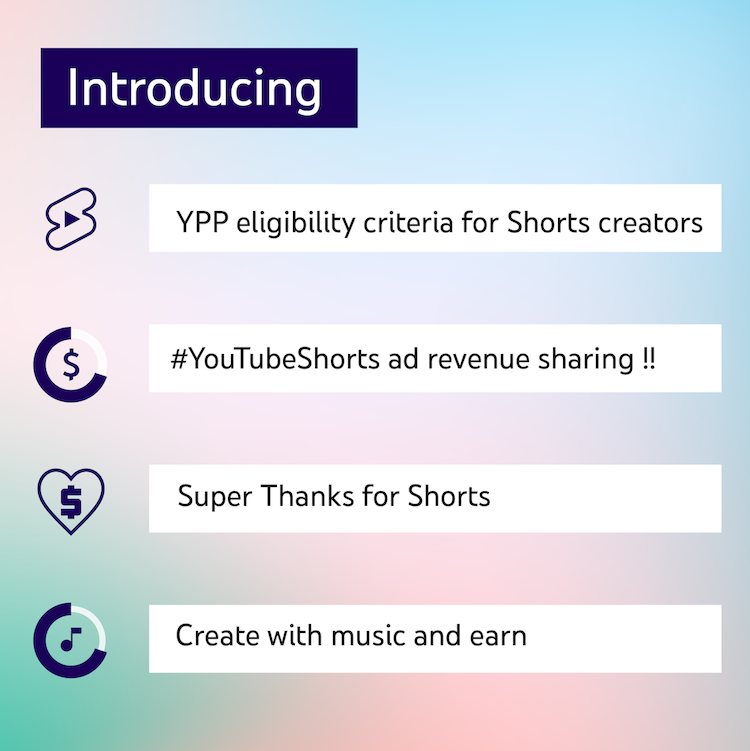
YouTube Shorts emerged as YouTube’s response to the explosive growth of short-form video content on platforms like TikTok and Instagram Reels. Designed to compete in the fast-paced, attention-grabbing video landscape, Shorts offers creators a space to produce engaging, bite-sized videos (up to 60 seconds) optimized for mobile viewing. Unlike traditional long-form videos, which prioritize depth, storytelling, and SEO-driven discoverability, Shorts emphasizes quick consumption, viral potential, and algorithmic favorability for high-retention clips. The YouTube Shorts Creator Program formalizes this opportunity, providing creators with tools, incentives, and monetization pathways tailored to short-form content, distinguishing it from YouTube’s long-standing Partner Program.
The program’s core appeal lies in its ability to democratize content creation, offering creators direct access to YouTube’s massive user base—over 2 billion monthly active users—without the prerequisite of a large following or extensive content library. Monetization through Shorts is structured around performance metrics like watch time, engagement rates, and views, aligning with YouTube’s broader push to reward creators based on audience interaction rather than subscriber counts. This shift reflects a broader industry trend where platforms prioritize engagement-driven revenue models over traditional ad-sharing mechanisms. Additionally, Shorts creators gain visibility through the Shorts shelf—a dedicated section on the YouTube homepage and app—further amplifying their reach. The program also integrates community-building features, such as exclusive Shorts-only comments and analytics, fostering deeper connections between creators and viewers.

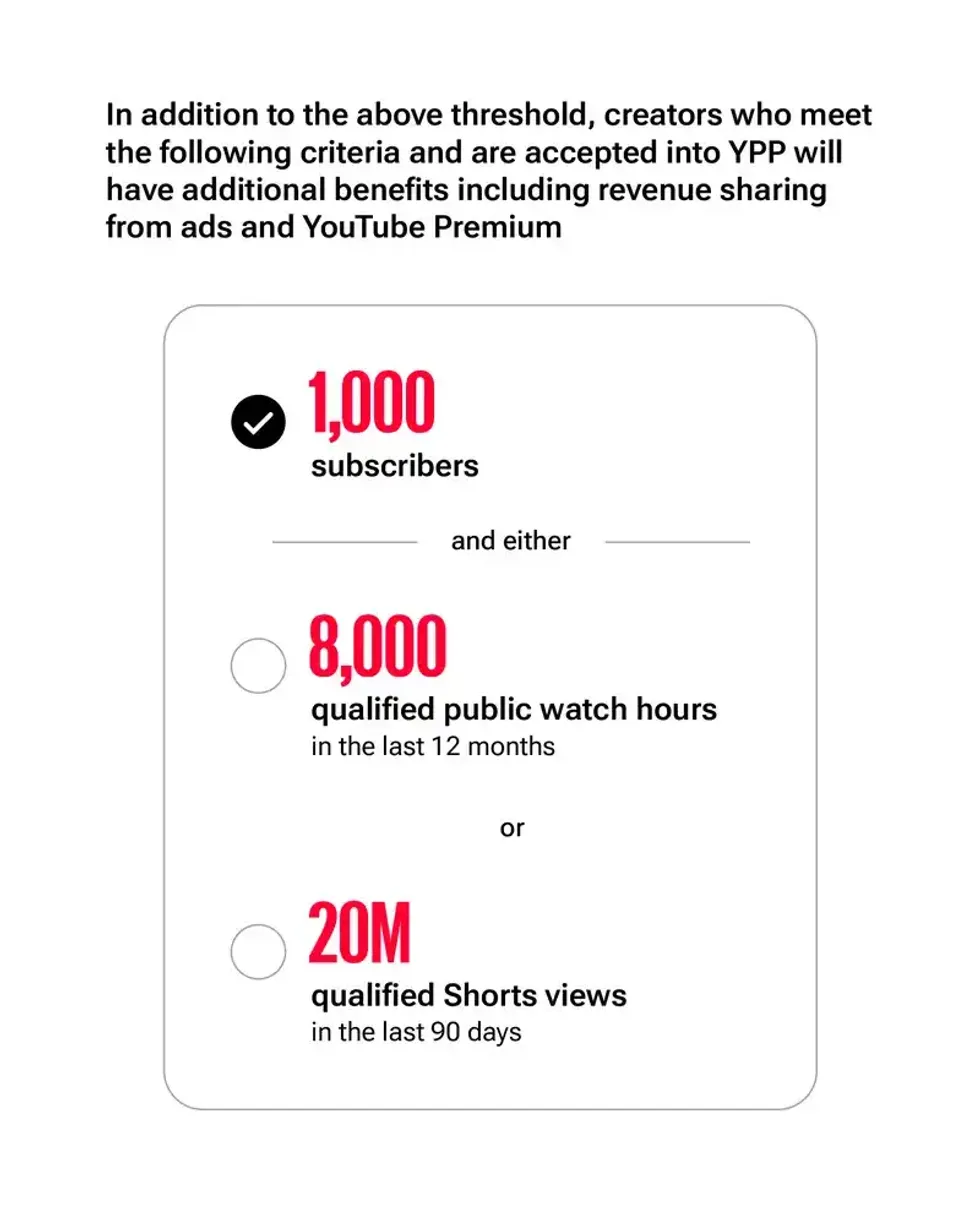
Comparatively, YouTube Shorts stands out from other short-form video platforms due to its integration with YouTube’s existing ecosystem. Unlike TikTok’s Creativity Program, which focuses on long-term growth incentives like bonuses and funding, or Instagram Reels’ bonuses tied to follower growth, YouTube’s approach combines monetization with algorithmic advantages. For instance, Shorts videos are eligible for the YouTube Partner Program (YPP) at a lower threshold (1,000 subscribers and 4,000 watch hours in the past 12 months) compared to long-form content, which requires 1,000 subscribers and 10,000 public watch hours. Furthermore, Shorts creators can earn revenue from ads, Super Thanks, and channel memberships, whereas platforms like TikTok limit monetization to in-app bonuses and brand partnerships. The seamless transition between Shorts and long-form content also allows creators to cross-promote their work, leveraging Shorts as a funnel to drive traffic to their primary channels.
Evolution of YouTube Shorts and Creator Incentives
Since its beta launch in 2020 and official rollout in September 2020, YouTube Shorts has undergone significant transformations, reflecting YouTube’s adaptive strategy to retain creators and viewers in an increasingly competitive market. Early iterations focused on testing the format’s viability, with limited monetization options and minimal creator incentives. However, as Shorts gained traction—particularly among Gen Z and millennial audiences—YouTube accelerated its investment in the feature, introducing policy changes, monetization milestones, and creator-friendly updates. Below is a timeline highlighting key milestones in the evolution of YouTube Shorts, including shifts in eligibility criteria, revenue models, and platform features.
Table of Contents
- Understanding YouTube Shorts and Its Creator Program
- Evolution of YouTube Shorts and Creator Incentives
- Key Milestones in YouTube Shorts Development
- Comparative Analysis of Short-Form Video Platforms
- Eligibility Criteria for YouTube Shorts Creator Program: General Requirements for All Creators
- Minimum Channel Requirements for Participation
- Technical Prerequisites for Eligibility
- Step-by-Step Guide to Verify Channel Eligibility via YouTube Studio
- Troubleshooting Eligibility Issues via YouTube’s Help Center
- Real-World Examples of Channels Adjusting to Meet Criteria
- Monetization and Revenue Thresholds in YouTube Shorts Creator Program
- Revenue-Sharing Model and Payout Calculation for YouTube Shorts
- Minimum Revenue Thresholds for Payouts
- Comparison of YouTube Shorts Monetization vs. Traditional YPP
- Common Misconceptions About YouTube Shorts Monetization
- Content and Performance Metrics: YouTube’s Evaluation Framework for Shorts Creators
- Performance Metrics YouTube Assesses for Shorts Eligibility
- Originality and Adherence to Community Guidelines
- Checklist: Best Practices for High-Performing Shorts
- Analyzing High-Performing Shorts Across Niches
- Technical and Policy Compliance: Avoiding Disqualification in YouTube Shorts
- Technical Requirements for YouTube Shorts
- Copyright and Intellectual Property Guidelines
- Consequences of Policy Violations and Appeal Process
- Common Technical Issues and Solutions
- Using YouTube’s Copyright Center and Content ID Tools
- Step-by-Step Application Process and Troubleshooting for YouTube Shorts Creator Program
- Detailed Step-by-Step Application Process
- Troubleshooting Common Application Errors
- FAQ: Application and Eligibility Clarifications
- Accessing YouTube Support for Eligibility Issues
Key Milestones in YouTube Shorts Development
The growth of YouTube Shorts has been marked by iterative updates, each addressing creator pain points and platform scalability. Below is an infographic-style table summarizing pivotal moments, from the initial launch to recent monetization expansions. The table includes policy changes, feature additions, and eligibility thresholds, providing a clear overview of how YouTube has refined its approach to short-form content.
| Date | Milestone | Details | Impact on Creators |
|---|---|---|---|
| March 2020 | Beta Launch | YouTube introduced Shorts as a beta feature in select regions, allowing creators to upload 15-second vertical videos with limited discoverability. | Early adopters tested the format, but monetization was nonexistent, and the feature lacked algorithmic promotion. |
| September 2020 | Global Rollout | Shorts became available worldwide, with videos extended to 60 seconds. The Shorts shelf was introduced on the YouTube homepage. | Creators gained wider exposure, but revenue opportunities remained tied to the traditional YPP, requiring high watch hour thresholds. |
| February 2021 | Shorts Fund Pilot | YouTube launched a $100 million fund to reward top-performing Shorts creators, with payments based on views and engagement. | Short-term financial incentives encouraged creators to experiment with Shorts, though the fund was later discontinued in favor of ad revenue. |
| April 2021 | Monetization Eligibility Expansion | Shorts creators could earn revenue from ads if they met the YPP criteria (1,000 subscribers, 4,000 watch hours). | Lowered the barrier for monetization compared to long-form content, but required significant watch time. |
| June 2021 | Super Thanks and Memberships Integration | Shorts creators gained access to Super Thanks and channel memberships, allowing direct fan support beyond ad revenue. | Diversified income streams but required a minimum of 1,000 subscribers to qualify. |
| November 2021 | Shorts Analytics Dashboard | YouTube introduced a dedicated analytics section for Shorts, providing metrics like views, watch time, and traffic sources. | Enabled creators to optimize content strategies based on performance data, though long-form analytics remained separate. |
| March 2022 | Shorts Community Tab | Creators could enable a Shorts-exclusive comments section, fostering deeper viewer interaction. | Enhanced engagement but required consistent Shorts uploads to retain audience attention. |
| July 2022 | Revised Monetization Thresholds | YouTube lowered the watch hour requirement for Shorts monetization to 10 million Shorts views in the past 90 days (in addition to 1,000 subscribers). | Significantly reduced the eligibility barrier, allowing micro-influencers to monetize faster. |
| January 2023 | Shorts Ad Revenue Share Increase | YouTube adjusted the revenue split for Shorts ads, offering creators up to 45% of ad revenue (up from 30-55% for long-form content). | Improved earnings potential for high-performing Shorts creators, incentivizing content production. |
| September 2023 | Shorts Premium Subscription Benefits | YouTube Premium subscribers gained access to Shorts without ads, while Shorts creators could opt into a "Shorts Fund" revival via brand partnerships. | Encouraged creators to produce ad-free content, aligning with YouTube Premium’s value proposition. |
Comparative Analysis of Short-Form Video Platforms
While YouTube Shorts dominates in terms of user base and integration with existing content, other platforms offer distinct monetization and growth incentives. TikTok’s Creativity Program, for example, provides long-term funding and resources to top creators, including financial bonuses and access to tools
Eligibility Criteria for YouTube Shorts Creator Program: General Requirements for All Creators
The YouTube Shorts Creator Program serves as a financial incentive for creators who consistently produce engaging short-form content. To participate, creators must meet specific eligibility criteria that ensure quality, consistency, and alignment with YouTube’s platform policies. These requirements act as a filter to identify creators who can maximize the potential of Shorts while maintaining a positive user experience. Understanding these prerequisites—including subscriber thresholds, watch time benchmarks, and technical compliance—is essential for creators aiming to monetize their Shorts effectively. Below is a structured breakdown of the general eligibility criteria, technical prerequisites, and practical steps to verify compliance.
Minimum Channel Requirements for Participation
YouTube imposes several key metrics to determine whether a channel qualifies for the Shorts Creator Program. These metrics are designed to ensure creators have an established audience and a history of producing high-quality content. The primary requirements include:
- Subscriber Count: Channels must have at least 1,000 subscribers. This threshold ensures creators have a dedicated audience capable of engaging with Shorts content consistently. - Watch Time: Creators must accumulate 4,000 valid public watch hours within the past 12 months or 10 million Shorts views in the same period. Watch time is calculated from all public videos (including Shorts) and must be earned through genuine viewer engagement, not artificial inflation. - Content Guidelines Adherence: Channels must comply with YouTube’s Community Guidelines, Partner Program policies, and Shorts-specific policies. Violations such as copyright infringement, misleading metadata, or prohibited content will disqualify a channel immediately.
YouTube evaluates these metrics dynamically, meaning fluctuations in subscriber counts or watch time may temporarily affect eligibility. For example, a channel that loses subscribers or watch time below the threshold will be excluded until it regains compliance.
Technical Prerequisites for Eligibility
Beyond audience metrics, YouTube enforces technical and administrative requirements to ensure creators meet platform standards. These include:
- Channel Age: The channel must be older than 30 days at the time of application. New channels require time to build an audience and establish content consistency. - Location Restrictions: Creators must reside in eligible countries as defined by YouTube’s Partner Program. As of 2023, the program is available in over 100 countries, but regions like China, Iran, and Syria are excluded due to legal or platform restrictions. - Language Requirements: While there is no strict language mandate, Shorts content must be viewable and understandable to a global audience. Subtitles or translations may be required for non-English content to meet accessibility standards. - Adherence to Shorts-Specific Rules: Creators must produce original Shorts content (no repurposed long-form videos) and avoid practices like clickbait titles or misleading thumbnails. Shorts must also comply with length restrictions (between 6 and 60 seconds) and aspect ratio requirements (9:16 or 1:1).
YouTube’s algorithm prioritizes channels that demonstrate creative diversity and audience retention in Shorts. For instance, channels that repurpose long-form content into Shorts without adding value may face penalties or exclusion.
Step-by-Step Guide to Verify Channel Eligibility via YouTube Studio
Creators can assess their eligibility by navigating YouTube Studio and reviewing key metrics. Follow these steps to confirm whether a channel meets the preliminary criteria:
1. Access YouTube Studio: Log in to YouTube Studio and navigate to the Monetization tab. 2. Check Subscriber Count: Under the Analytics section, review the Subscribers graph to ensure the total exceeds 1,000. 3. Validate Watch Time: In the Reach tab, filter for the past 12 months and confirm 4,000+ watch hours or 10M+ Shorts views. Watch time must be from public videos only. 4. Review Community Guidelines: Visit the Community Guidelines dashboard to identify any strikes or warnings. Resolve all issues before applying. 5. Confirm Channel Age: Check the Channel Settings under Details to verify the channel was created more than 30 days ago. 6. Location and Language Compliance: Ensure the channel’s default language and country setting (under Settings > Channel) align with YouTube’s eligible regions.
If any metric falls short, creators should focus on audience growth strategies (e.g., SEO-optimized thumbnails, consistent uploads) or Shorts-specific optimizations (e.g., trending audio, hooks in the first 3 seconds).
Troubleshooting Eligibility Issues via YouTube’s Help Center
Creators encountering eligibility roadblocks can leverage YouTube’s official resources for clarification. Common issues include: - Flagged Content: If a channel is flagged for policy violations, creators should review the Community Guidelines strike notification in YouTube Studio and appeal if necessary. - Watch Time Discrepancies: Unexplained drops in watch time may result from private or unlisted videos being counted. Creators should ensure all watch time is from public content. - Shorts View Counts: Views from unverified sources (e.g., bots) may not count. YouTube recommends using YouTube Analytics to verify organic engagement.
To resolve these issues: - Consult the Help Center: Visit YouTube’s Shorts Creator Program FAQ for troubleshooting steps. - Engage Community Forums: Post in the YouTube Creator Forum or Google Product Forums for peer advice. - Contact YouTube Support: Submit a ticket via YouTube Studio’s Help section for personalized assistance.
Real-World Examples of Channels Adjusting to Meet Criteria
Many creators initially fail eligibility checks due to overlooked technicalities or audience growth challenges. Below are case studies illustrating successful adjustments:
Case Study 1: The Subscriber Gap A gaming channel with 950 subscribers struggled to reach the 1,000-subscriber threshold. The creator launched a collaboration campaign with mid-sized channels, offering cross-promotion in exchange for subscriber swaps. Within two months, the channel surpassed the threshold and applied for the Shorts Program.
Case Study 2: Watch Time Deficit A travel vlogger with 1,200 subscribers had only 3,500 watch hours. To rectify this, the creator repurposed long-form videos into Shorts clips (e.g., 15-second highlights) and optimized titles with high-volume keywords (e.g., “Hidden Beaches in Bali”). This strategy increased Shorts views by 400% in three months, qualifying the channel for the program.
Case Study 3: Policy Violation Resolution A comedy channel received a Community Guidelines strike for using copyrighted music in Shorts. The creator replaced the audio with royalty-free tracks from YouTube’s Audio Library and submitted an appeal. After 14 days, the strike was lifted, and the channel re-applied successfully.
These examples highlight the importance of proactive adjustments—whether through audience engagement, content optimization, or policy compliance—to meet YouTube’s eligibility standards.
Monetization and Revenue Thresholds in YouTube Shorts Creator Program
YouTube Shorts has revolutionized content creation by offering a dedicated monetization pathway for creators, distinct from the traditional YouTube Partner Program (YPP). Unlike long-form videos, Shorts operate under a separate revenue-sharing model, where earnings are tied to performance metrics such as views, engagement, and watch time. Understanding these financial eligibility criteria is critical for creators aiming to sustainably monetize their Shorts content. The revenue thresholds, payout structures, and optimization strategies differ significantly from YPP, requiring creators to adapt their monetization approaches accordingly.
The monetization framework for Shorts is designed to reward creators based on the revenue generated from ads shown on their Shorts, rather than a flat-rate per-view model. This system ensures that earnings are directly proportional to the ad performance triggered by Shorts views. However, creators must meet specific financial benchmarks before receiving payouts, which are more stringent than those in the traditional YPP. Below, we dissect the revenue-sharing mechanics, compare it with YPP, and provide actionable insights to maximize earnings potential.
Revenue-Sharing Model and Payout Calculation for YouTube Shorts
The revenue-sharing model for YouTube Shorts operates through a performance-based ad revenue system, where creators earn a portion of the advertising revenue generated from ads displayed alongside their Shorts. Unlike YPP, which primarily relies on Cost Per Thousand Impressions (CPM) or Cost Per Click (CPC) from ads on long-form videos, Shorts monetization is influenced by viewer engagement metrics such as watch time, shares, and likes, which indirectly impact ad performance.
YouTube allocates revenue from Shorts based on a 50-50 split between the platform and creators, provided the Shorts meet the eligibility criteria. However, the actual earnings per view (EPV) vary depending on factors such as: - Advertiser demand in the region where the Short is viewed. - Engagement rate of the Short (higher engagement often correlates with better ad performance). - Content niche (some industries, such as finance or technology, may attract higher-paying ads).
Key Formula for Shorts Monetization: Creator Earnings = (Total Ad Revenue from Shorts × 50%) – YouTube’s Platform Fee
For example, if a Short generates $100 in ad revenue, the creator would receive $50 after YouTube’s 50% cut. However, the total ad revenue is not fixed per view; it fluctuates based on the factors mentioned above. Creators should note that Shorts monetization is not a guaranteed fixed rate per view, unlike some misconceptions suggesting that Shorts pay a flat amount (e.g., "$10 per 1,000 views").
Minimum Revenue Thresholds for Payouts
To receive payouts from Shorts monetization, creators must accumulate a minimum of $100 in their YouTube Partner Program (YPP) account balance, exclusive of Shorts revenue. This threshold is identical to the traditional YPP but applies to the combined earnings from all monetized content, including Shorts. However, there are key distinctions in how revenue is generated and tracked:
- Shorts Revenue Contribution: While Shorts can contribute to the $100 threshold, they do not have a separate payout minimum. Creators must rely on their total YPP earnings (from Shorts and long-form content) to meet the requirement. - Payout Frequency: YouTube processes payouts monthly, with payments issued on the 21st of each month for the previous month’s earnings. This aligns with YPP’s payout schedule, ensuring consistency for creators managing multiple revenue streams.
Critical Note: Shorts revenue alone cannot trigger a payout if the creator’s total YPP earnings (including long-form content) fall below $100.
In contrast, the traditional YPP requires creators to: - Have 1,000 subscribers. - Accumulate 4,000 valid public watch hours in the past 12 months (or 10 million Shorts views in the same period for Shorts-focused creators). - Comply with YouTube’s monetization policies and adhere to ad-friendly content guidelines.
While Shorts views can substitute for watch hours (10 million Shorts views = 4,000 watch hours), the $100 revenue threshold remains non-negotiable for payout eligibility.
Comparison of YouTube Shorts Monetization vs. Traditional YPP
Below is a side-by-side comparison of the key monetization metrics between YouTube Shorts and the traditional YPP to highlight the differences in earnings potential, payout structures, and financial eligibility.
| Monetization Factor | YouTube Shorts | Traditional YPP (Long-Form Videos) |
|---|---|---|
| Revenue Model | Performance-based ad revenue (50% share for creators). Earnings vary by engagement, niche, and ad demand. | Ad revenue from display, overlay, and skippable ads (varies by ad type; typically 55% for creators). |
| Earnings Per View (EPV) | Highly variable ($0.01–$0.05 per view on average, depending on niche and engagement). Rarely exceeds $0.10 per view. | $1–$5 per 1,000 views (CPM ranges from $1–$30+, depending on audience demographics and content type). |
| Minimum Revenue Threshold | $100 (combined with long-form content). No separate Shorts-specific threshold. | $100 (from long-form content only). |
| Payout Frequency | Monthly (21st of each month for previous month’s earnings). | Monthly (21st of each month for previous month’s earnings). |
| Tax Implications | Reported under YPP tax forms (1099 in the U.S., equivalent forms in other regions). Creators must track Shorts revenue separately for tax purposes. | Reported under YPP tax forms. Long-form revenue is aggregated with other income streams. |
| Eligibility Requirements | 10 million Shorts views in 90 days or 1,000 subscribers + 4,000 watch hours (from any content). | 1,000 subscribers + 4,000 watch hours in 12 months (or 10 million Shorts views). |
| Ad-Friendly Content Rules | Shorts must comply with YPP monetization policies (no misleading thumbnails, copyright strikes, or age-restricted content). | Long-form videos must adhere to stricter ad policies (e.g., no controversial content, age-gating for sensitive topics). |
Key Takeaway: While Shorts offer a lower barrier to entry (10 million views vs. 4,000 watch hours), the actual revenue per view is significantly lower compared to long-form content. Creators relying solely on Shorts may need to produce a high volume of content to meet the $100 threshold, whereas long-form creators benefit from higher CPM rates.
Common Misconceptions About YouTube Shorts Monetization
Several myths surround Shorts monetization, often leading creators to set unrealistic expectations. Below are the most persistent misconceptions, debunked with data-driven explanations:
YouTube does not disclose exact EPV rates for Shorts, but industry estimates and case studies suggest that: - Shorts rarely pay more than $0.05 per view, even in high-engagement niches. - Long-form videos in profitable niches (e.g., finance, tech tutorials) can earn $1–$10 per 1,000 views, far surpassing Shorts’ potential. - Engagement does not directly translate to higher EPV—while likes and shares boost ad performance, the revenue is still tied
Content and Performance Metrics: YouTube’s Evaluation Framework for Shorts Creators
YouTube’s Shorts Creator Program evaluates eligibility not just on channel growth metrics but on the quality, engagement, and originality of Shorts content itself. Creators must meet specific performance benchmarks that align with YouTube’s algorithmic priorities—retention, virality, and adherence to community standards—to ensure content resonates with audiences while maintaining platform integrity. Unlike traditional long-form videos, Shorts thrive on quick impact, requiring creators to optimize for first 3–5 seconds of viewer attention while sustaining engagement through concise storytelling. Below is a breakdown of the key performance metrics YouTube assesses, alongside strategies to align content with these expectations.
Performance Metrics YouTube Assesses for Shorts Eligibility
YouTube’s algorithm evaluates Shorts using a multi-dimensional scoring system that prioritizes watch time consistency, audience interaction, and content uniqueness. Unlike long-form videos, where depth and complexity matter, Shorts demand high retention rates within the first 10–15 seconds, as viewers decide within milliseconds whether to continue watching. The following metrics are critical:
- Average View Duration (AVD): Shorts must achieve at least 50% retention (viewers watching ≥50% of the video) to signal strong initial engagement. YouTube’s algorithm favors Shorts where AVD exceeds 70% for monetization consideration, indicating high viewer satisfaction. - Click-Through Rate (CTR): The percentage of users who click to watch a Short after seeing it in the feed. A CTR above 5% is considered competitive, with top-performing Shorts often exceeding 8–12% due to compelling hooks (e.g., bold text overlays, intriguing visuals, or trending audio). - Completion Rate: The proportion of viewers who watch the entire Short (15–60 seconds). While not as critical as retention, a completion rate above 40% suggests the content fulfills its purpose effectively. - Shares and Saves: YouTube’s algorithm boosts Shorts with high shareability, as these signals indicate organic reach potential. A Short with >1,000 shares or saves within 72 hours is more likely to be prioritized in recommendations. - Audience Retention Patterns: YouTube Studio Analytics reveals drop-off points (e.g., viewers leaving at 3 seconds vs. 10 seconds). Creators must eliminate early disengagement triggers, such as unclear hooks or slow pacing.
Key Insight: YouTube’s algorithm favors Shorts that maximize the first 3 seconds—studies show 60% of viewers decide to stop watching within this window. Prioritizing a strong hook (e.g., a surprising fact, bold question, or high-energy visual) is non-negotiable.
Originality and Adherence to Community Guidelines
Beyond performance metrics, YouTube scrutinizes content uniqueness and compliance with policies to prevent spam, copyright violations, or misleading content. The platform uses machine learning and human review to flag Shorts that: - Repurpose copyrighted material without fair use (e.g., using trending audio without transformation). - Mimic existing trends without adding value (e.g., identical choreography or recycled jokes). - Violate community guidelines, such as misleading thumbnails, harmful misinformation, or excessive use of sensitive topics (e.g., politics, health advice) without proper disclaimers.
YouTube’s originality check relies on: 1. Audio Fingerprinting: Detects unoriginal soundbites or music tracks. 2. Visual Similarity Analysis: Flags duplicate or near-identical video segments. 3. Trend Saturation: Penalizes overused templates (e.g., "Get Ready With Me" if too many creators use the same format without innovation).
Creator Warning: Shorts with >80% similarity to existing content risk demonetization or strikes. YouTube’s system prioritizes creative reinterpretation over replication—e.g., a comedy Short using trending audio but with a unique twist performs better than a direct copy.
Checklist: Best Practices for High-Performing Shorts
Crafting Shorts that meet YouTube’s benchmarks requires strategic optimization. Below is a structured checklist to maximize eligibility chances:
- Hook Within 1 Second Use bold text overlays, sudden zooms, or high-contrast visuals to grab attention. Example: A gaming Short starts with "I beat this boss in 3 tries—here’s how" instead of a generic intro.
- Optimize for Vertical Viewing Ensure text and key visuals are centered (avoid placing critical elements at the edges). Use YouTube’s "Shorts Optimized" template in the camera app for auto-cropping.
- Leverage Trending Audio with a Twist Search YouTube’s Shorts audio library for trending tracks, then add a unique narrative layer. Example: A cooking Short uses a viral song but pairs it with "5-minute meals for broke students"—a niche angle.
- Maintain a Fast Pacing (0.5–1.5 seconds per frame) Avoid long pauses or slow transitions. Use quick cuts (≤1 second per clip) to sustain engagement. Tools like CapCut or InShot offer presets for rapid editing.
- Include a Clear Call-to-Action (CTA) End with a question, challenge, or subscription prompt. Example: "Comment ‘TRY’ if you want me to do this trend next!" boosts interaction signals.
- Test Multiple Thumbnails YouTube’s auto-generated thumbnails often underperform. Design high-contrast, text-heavy thumbnails (e.g., a shocked face with "You won’t believe what happens next").
- Post During Peak Hours Analyze YouTube Studio’s "Watch Time" report to identify when your audience is most active. Weekday afternoons (1–4 PM local time) and weekend mornings (9–11 AM) typically perform best.
- Repurpose Evergreen Content Turn top-performing long-form videos into Shorts by extracting key moments, tips, or behind-the-scenes clips. Example: A tutorial creator’s "Top 5 Mistakes in Photoshop" can be split into 5 separate Shorts.
- Encourage Shares via Challenges Design participation-driven Shorts (e.g., "Dupe this dance for a shoutout"). Challenges with user-generated responses signal high virality potential to YouTube’s algorithm.
-
Monitor and Adapt Based on Analytics
Use YouTube Studio’s "Shorts Performance" dashboard to track:
- Retention spikes/drops (adjust pacing if viewers leave at 8 seconds).
- Traffic sources (are views coming from Shorts feed or Search?).
- Audience demographics (tailor future content to peak age/gender groups).
Analyzing High-Performing Shorts Across Niches
Successful Shorts share universal traits, but niche-specific strategies amplify performance. Below are case studies with key takeaways extracted from top-performing creators:
Gaming Shorts Example: Creator: MrBeast Gaming (100M+ subscribers) Short: "I Tried Every Fortnite Skin in 1 Minute" Success Factors:
- Ultra-fast cuts (0.3 seconds per skin) to maintain pacing.
- Trending audio + gaming humor (e.g., exaggerated voiceovers).
- CTA integration: "Which skin should I try next? Comment below!"
- Thumbnail: High-contrast split-screen of before/after skins with bold text.
Result: 12M views in 48 hours, 92% retention, 50K shares.
Tutorial Shorts Example: Creator: Emily Mariko (Beauty & DIY, 3M+ subscribers) Short: "5-Minute Clay Mask for Acne Scars" Success Factors:
- First 3 seconds: Close-up of before/after skin with text "This changed my face!".
- Step-by-step visuals (each action is a separate clip with text overlay).
- Trending audio: Upbeat instrumental to keep energy high.
- CTA: "
Technical and Policy Compliance: Avoiding Disqualification in YouTube Shorts
YouTube Shorts creators must adhere to strict technical specifications and policy guidelines to maintain eligibility in the YouTube Shorts Creator Program. Non-compliance can lead to disqualification, demonetization, or even channel termination. This section explores YouTube’s technical policies, copyright requirements, and practical steps to ensure Shorts meet all criteria before publication. Understanding these rules helps creators avoid common pitfalls, such as watermarked audio, incorrect aspect ratios, or copyright strikes, which can hinder monetization and visibility. Policy violations are not just limited to copyright infringements; they also include technical errors that prevent Shorts from being optimized for the platform. YouTube’s algorithms prioritize content that adheres to technical standards, making compliance essential for long-term success. Below, we break down the key technical and policy requirements, along with actionable solutions to prevent disqualification.Technical Requirements for YouTube Shorts
YouTube Shorts must meet specific technical standards to ensure optimal playback and algorithmic favorability. Failure to comply can result in reduced reach, demonetization, or removal from the Shorts feed. The following specifications are mandatory for all Shorts creators:Mandatory Technical Specifications for Shorts:Creators should use tools like Adobe Premiere Pro, CapCut, or YouTube’s built-in editor to ensure their Shorts meet these specifications. For example, uploading a horizontal video (16:9) will automatically be cropped to 9:16, potentially distorting the visuals. Testing uploads in advance using YouTube’s Preview Tool helps identify technical issues before publication.- Resolution: Minimum 720p (recommended: 1080p or higher).
- Aspect Ratio: 9:16 (vertical orientation) or 1:1 (square, though less common).
- File Format: MP4 or MOV (H.264 codec recommended).
- Frame Rate: 24, 25, 30, or 60 frames per second (fps).
- Max File Size: 256GB (though practical limits are lower for smooth uploads).
- Duration: 15 seconds to 6 minutes (though Shorts are typically under 1 minute).
- Captioning: Auto-generated captions are encouraged, but manual captions are not required unless accessibility is a priority.
Copyright and Intellectual Property Guidelines
Copyright violations are a leading cause of Shorts disqualification, strikes, and demonetization. YouTube enforces strict policies to protect content owners, and creators must avoid using copyrighted material without permission. Below are the critical rules to follow:Prohibited Actions Under Copyright Policy:To comply, creators should:- Using music, audio, or visuals without proper licensing or fair use exemption.
- Reuploading content from other creators without permission (e.g., repurposing full videos as Shorts).
- Modifying copyrighted content (e.g., trimming a song without a license) unless under fair use (which is rarely applicable to Shorts).
- Use YouTube’s Audio Library for free, royalty-free music.
- Obtain licenses for third-party assets (e.g., stock footage, trending sounds).
- Apply fair use principles cautiously, as YouTube’s automated systems may still flag content.
YouTube’s Copyright Center and Content ID system automatically scan uploads for copyrighted material. If a Short is flagged, creators receive a copyright claim, which can lead to:- Monetization removal (ad revenue lost).
- Content blocking (Short removed from Shorts feed).
- Strikes (temporary or permanent channel suspension).
Consequences of Policy Violations and Appeal Process
Violating YouTube’s policies triggers a structured consequence system, from warnings to severe penalties. Below is a flowchart-style table outlining the escalation path and how to appeal decisions:For copyright disputes, creators must submit a Counter Notification within 30 days of the claim. Failure to respond may result in content removal. YouTube’s Copyright Appeal Board reviews contested claims, but success depends on providing clear evidence of compliance.
Violation Type Initial Action Escalation Path Appeal Process Technical Non-Compliance (e.g., wrong aspect ratio) Short not recommended in Shorts feed; lower visibility. No strikes, but repeated issues may lead to channel review. Fix the issue and resubmit via YouTube Studio. Copyright Claim (non-infringing use) Monetization blocked; claim notice sent to creator.
- Dispute the claim via YouTube’s Copyright Center.
- Provide evidence (e.g., licenses, fair use justification).
- If rejected, appeal to YouTube’s Copyright Appeal Board.
Copyright Strike (repeated violations) First strike: Warning email; monetization disabled.
- Second strike: 7-day suspension of uploads.
- Third strike: Channel termination (permanent ban).
Community Guidelines Violation (e.g., misleading thumbnails) Short removed; warning issued. Repeat offenses lead to strikes or demonetization. Appeal via YouTube’s Community Guidelines Appeal Form. Common Technical Issues and Solutions
Even experienced creators encounter technical problems that trigger YouTube’s automated filters. Below are frequent issues and their fixes:Top 5 Reasons Shorts Are Flagged Technically: 1. Watermarked Music: Using unlicensed audio (e.g., trending songs with watermarks).YouTube’s Preview Tool allows creators to test Shorts before publishing, highlighting potential issues like audio sync problems or unplayable formats. Addressing these early prevents post-upload complications.- Solution: Replace with YouTube Audio Library tracks or licensed music.
2. Incorrect Aspect Ratio: Uploading horizontal (16:9) videos without proper cropping.- Solution: Use 9:16 templates in editing software (e.g., CapCut, InShot).
3. Poor Lighting/Contrast: Dark or overexposed footage reduces visibility.- Solution: Adjust exposure and contrast during editing.
4. Improper Framing: Unstable shots or excessive motion trigger algorithmic penalties.- Solution: Use steady cameras or stabilization tools (e.g., Deshaker in Premiere Pro).
5. Missing or Low-Quality Thumbnails: Thumbnails with text or unclear visuals hurt engagement.- Solution: Design high-contrast, 1280x720px thumbnails with minimal text.
Using YouTube’s Copyright Center and Content ID Tools
YouTube provides proactive tools to avoid copyright issues before uploading. The Copyright Center and Content ID system help creators identify and resolve potential conflicts:
- Copyright Center:
- Accessible via YouTube Studio → Copyright.
- Allows creators to check claims history and dispute flags.
- Provides licensing options for third-party content.
- Content ID System:
- Automatically scans uploads for matched copyrighted material.
- Offers pre-upload reviews for monetization eligibility.
- Enables custom ID uploads for creators to claim their own content.
- Audio Library Integration:
- Search for royalty-free music directly in YouTube’s editor.
- Filter by duration, mood, and usage rights to
Step-by-Step Application Process and Troubleshooting for YouTube Shorts Creator Program
Navigating the application process for the YouTube Shorts Creator Program can be seamless if creators follow structured steps while anticipating potential hurdles. Below is a detailed guide covering the sequential application workflow, troubleshooting common errors, and accessing support for eligibility issues. The process integrates directly with YouTube Studio, requiring adherence to technical and policy prerequisites to avoid disqualification.Detailed Step-by-Step Application Process
To apply for the YouTube Shorts Creator Program, creators must first ensure their channel meets the general requirements, monetization thresholds, and content performance metrics outlined in previous sections. Once confirmed, follow these steps: 1. Access YouTube Studio Log in to your YouTube Studio dashboard using your Google account. The interface will display a left-hand navigation menu with various tabs, including Content, Analytics, and Monetization. 2. Navigate to the Monetization Tab Locate the Monetization tab in the left-hand menu. If this option is unavailable, it indicates your channel may not yet meet the basic eligibility criteria (e.g., 1,000 subscribers and 4,000 valid public watch hours in the past 12 months for long-form content). If eligible, click the tab to open the Monetization settings page. Visual Description: The Monetization tab appears as a blue icon with a dollar sign ($) symbol. Below it, a dropdown menu may list sub-options like Shorts Fund or Ad Revenue. If the Shorts Fund option is visible but grayed out, your channel may still need to fulfill additional requirements. 3. Verify Shorts Fund Eligibility Within the Monetization tab, scroll down to locate the Shorts Fund section. This section typically appears as a dedicated panel with a toggle switch labeled "Apply for Shorts Fund" or "Join Shorts Fund." Ensure the toggle is set to ON (active). If the option is missing, YouTube may automatically enroll eligible channels after fulfilling performance metrics. 4. Submit the Application Click the "Apply" or "Join" button within the Shorts Fund panel. YouTube will prompt a confirmation screen displaying the terms and conditions of the program. Review the details, including payment schedules (monthly payouts) and revenue share (50% for creators, 50% for YouTube). Once reviewed, select "Confirm" to submit your application. 5. Wait for Approval After submission, YouTube processes applications within 1–3 business days, though delays may occur during peak periods. Creators can track status updates in the Monetization tab under Shorts Fund or via email notifications from YouTube. 6. Configure Payout Settings Upon approval, navigate to the Payouts section in YouTube Studio to set up payment details. This includes linking a Google AdSense account (required for revenue distribution) and providing banking information for direct deposits. Ensure all details are accurate to avoid payment delays. Visual Description: The Payouts tab contains fields for AdSense account linking, payment method selection (bank transfer or check), and tax information (W-9 for U.S. creators or equivalent forms for international users). A "Save" button confirms the submission.Troubleshooting Common Application Errors
Despite meeting eligibility criteria, creators may encounter errors during application. Below are solutions for frequent issues: 1. Insufficient Watch Time or Subscribers- Error: The Monetization tab shows "Not eligible" with a message about insufficient watch time or subscribers.
- Solution:
- For Shorts-specific watch time: Ensure your channel has 10 million Shorts views in the last 90 days and 1,000 subscribers. Focus on creating high-retention Shorts (e.g., trending sounds, hooks in the first 3 seconds).
- For long-form content: Maintain 4,000 valid public watch hours and 1,000 subscribers in the past 12 months. Use YouTube Studio’s Analytics tab under Reach to monitor watch time trends.
- Action: Publish consistently and engage with audience feedback to improve retention metrics.
2. Channel Not Approved for Shorts Fund- Error: The Shorts Fund option is missing or grayed out in the Monetization tab.
- Solution:
- Verify location eligibility: The Shorts Fund is available in select countries (e.g., U.S., UK, Canada, Australia, India). Check YouTube’s official list for updates.
- Ensure no policy violations: Review YouTube’s Community Guidelines and Shorts-specific policies (e.g., no copyright strikes, misleading thumbnails). Use the Content tab in YouTube Studio to resolve claims.
- Reapply after fixes: If issues are resolved, recheck eligibility after 30 days.
3. Application Processing Delay- Error: No confirmation email or status update after submission.
- Solution:
- Check Spam/Junk folders for YouTube emails.
- Visit the Monetization tab in YouTube Studio for updates.
- If delayed beyond 5 business days, contact YouTube Support via the Help button in YouTube Studio.
4. Payout Issues After Approval- Error: Revenue appears in AdSense but payouts are delayed or missing.
- Solution:
- Confirm AdSense account linking is active in YouTube Studio.
- Ensure minimum payout threshold ($100 for most regions) is met. Payouts process monthly (between the 21st and 26th of each month).
- Update banking details if transactions fail due to errors.
FAQ: Application and Eligibility Clarifications
How long does approval for the Shorts Fund take? YouTube typically processes applications within 1–3 business days. Delays may occur during high-volume periods (e.g., holidays). Creators receive confirmation via email or the Monetization tab in YouTube Studio. For urgent inquiries, use YouTube’s Help Center or Live Chat (available in select regions). Can I apply if my channel is part of a Multi-Channel Network (MCN)? Yes, channels managed by MCNs can apply for the Shorts Fund, provided they meet all individual eligibility criteria (watch time, subscribers, and location requirements). However, revenue may be distributed differently based on MCN contracts. Verify terms with your network partner before applying. What happens if my channel gets disqualified after approval? Disqualification occurs if YouTube detects policy violations (e.g., copyright strikes, spammy behavior) or performance drops (e.g., watch time below thresholds). Creators receive a notification in YouTube Studio and via email. To reapply: 1. Resolve the issue (e.g., remove flagged content, appeal copyright claims). 2. Wait 30 days before rechecking eligibility. 3. Submit a new application if metrics are restored. How can I check if my Shorts are counted toward eligibility? Use YouTube Studio’s Analytics tab under Reach > Shorts Performance. This section displays:- Views (total and average per Short).
- Watch time (seconds viewed per Short).
- Retention metrics (drop-off rates).
Ensure Shorts are public and not age-restricted to count toward eligibility. Is there a limit to how many Shorts I need to publish? YouTube does not require a minimum number of Shorts for eligibility, but consistency and performance matter. Aim for at least 10–15 Shorts per month to build watch time. Prioritize high-retention content (e.g., tutorials, challenges, or trending formats) to meet the 10 million views in 90 days threshold.Accessing YouTube Support for Eligibility Issues
If creators encounter unresolved issues during application, YouTube offers multiple support channels: 1. Live Chat (In-Studio)- How to access: Click the Help (?) icon in the bottom-right corner of YouTube Studio. Select "Contact us" > "Live chat" (available for verified users in supported regions).
- Best for: Urgent eligibility questions or technical errors (e.g., missing Shorts Fund option
The road to monetizing YouTube Shorts is paved with both opportunity and obstacles, demanding creators balance artistic expression with data-driven optimization. From meeting subscriber thresholds to mastering algorithmic favorability, success hinges on aligning content strategy with YouTube’s evolving criteria. By leveraging performance analytics, adhering to technical policies, and staying informed on policy updates, creators can transform Shorts from a speculative experiment into a scalable revenue stream. The program’s true value lies not just in payouts but in the ability to grow a loyal audience—one short video at a time. For those willing to decode its intricacies, the Creator Program remains the most direct path to turning fleeting trends into lasting digital assets.
Leave a Comment
Comments are moderated before appearing. The data you submit is processed according to the Privacy Policy of Littlepoolco.