What Does Turning Tricks Mean Unveiling Hidden Meanings Across Cultures
"Turning tricks" is a phrase that slithers through language like a chameleon—adapting, shifting, and revealing layers of meaning depending on the context. From the gritty streets of urban neighborhoods to the high-flying arenas of competitive sports, its usage spans deception, skill, and rebellion, often carrying weight far beyond its literal interpretation. What begins as a slang term rooted in exploitation evolves into a celebration of mastery, whether in the spins of a snowboarder defying gravity or the rapid-fire wordplay of a stand-up comedian. This linguistic journey traces how a single phrase becomes a cultural mirror, reflecting societal values, technological innovation, and the ever-blurring line between trickery and talent.
The phrase’s origins are as layered as its modern applications, emerging from underground subcultures where survival and spectacle intertwined. In street culture, it symbolized both the hustle of outsmarting adversaries and the artistry of breakdancing or graffiti, where every move was a calculated "trick" to assert dominance or creativity. Meanwhile, in sports and entertainment, it transformed into a badge of technical prowess, where athletes and performers push physical and mental limits to redefine what’s possible. Yet beneath the surface, "turning tricks" also exposes ethical dilemmas—from the exploitation of language in rap lyrics to the controversial exploits of hackers navigating digital frontiers. Understanding its evolution requires dissecting not just the words, but the power dynamics they embody.
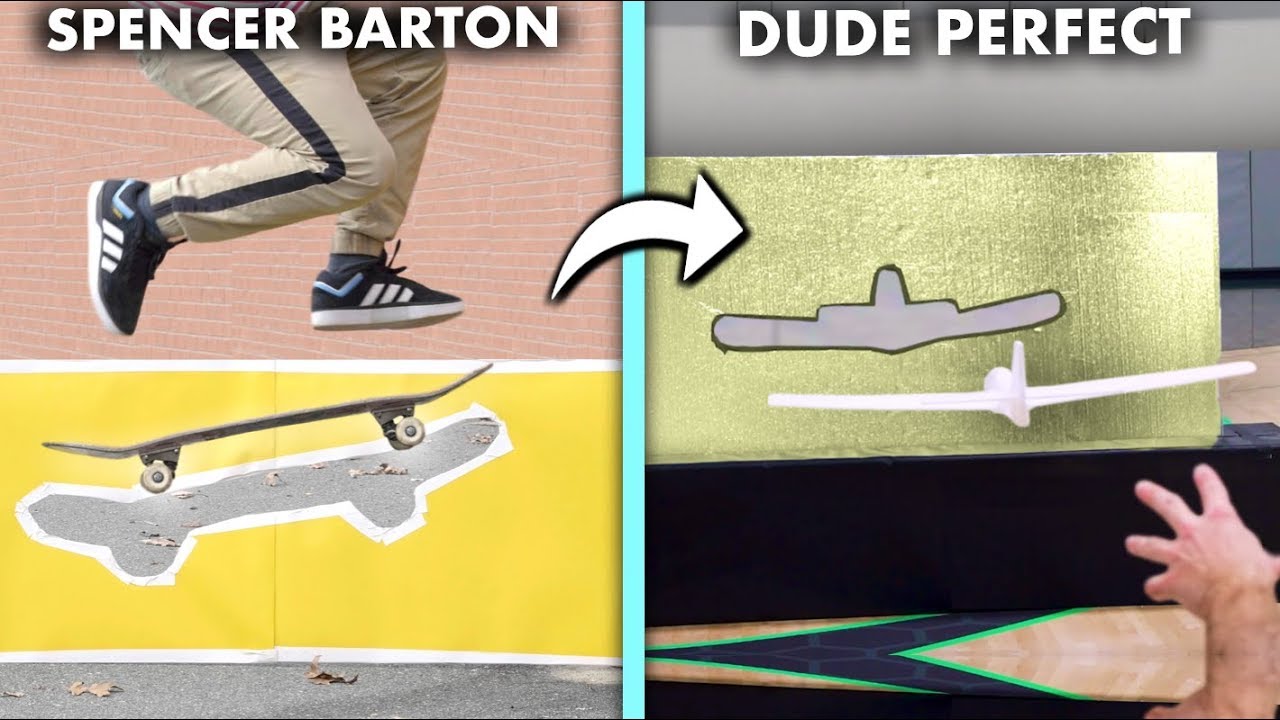
Understanding the Core Meaning of "Turning Tricks"

The phrase "turning tricks" carries a layered history, evolving from literal physical maneuvers to a versatile metaphor embedded in language, culture, and social dynamics. Originating in contexts where skillful execution of tasks—whether physical, technical, or strategic—was celebrated, the term has transcended its roots to become a shorthand for adaptability, deception, or even professional prowess. Its adaptability across dialects, industries, and media reflects broader societal shifts in how performance, labor, and even morality are perceived. Below, an exploration of its linguistic foundations, contextual adaptations, and cultural embeddings reveals how a seemingly simple phrase encapsulates complex human behaviors and societal attitudes.
Linguistic Origins and Evolution of the Phrase
The phrase "turning tricks" traces its earliest documented usage to 19th-century American English, where it initially described street performers, circus acts, or skilled laborers executing specialized tasks for payment. The term "trick" itself derived from Old Norse tryggva (to deceive or outwit), later morphing into Middle English tricke (a clever or cunning act). By the 1800s, "turning tricks" was recorded in slang dictionaries as a euphemism for prostitution, though its broader application to any form of skillful labor persisted.
In early 20th-century vaudeville and burlesque culture, the phrase took on a performative connotation, referring to entertainers who delivered crowd-pleasing acts—juggling, sleight of hand, or comedic routines. This duality—both literal (physical skill) and metaphorical (deception or performance)—laid the groundwork for its modern ambiguity. By the 1950s–1970s, the term’s association with street hustling and underground economies solidified its reputation as a code for illicit or transactional labor, particularly in urban slang.
Contextual Adaptations Across Industries and Cultures
The phrase’s malleability has allowed it to infiltrate diverse fields, often carrying nuanced or loaded meanings depending on context. Below are key adaptations:
Table of Contents
- Understanding the Core Meaning of "Turning Tricks"
- Linguistic Origins and Evolution of the Phrase
- Contextual Adaptations Across Industries and Cultures
- Key Pop Culture Moments Featuring "Turning Tricks"
- Regional Variations: American vs. British English
- Turning Tricks in Sports and Athletic Performance
- Technical Definitions and Iconic Maneuvers in Trick-Based Sports
- Step-by-Step Execution of Advanced Tricks: Body Mechanics Unpacked
- Historical Evolution: Pioneers Who Redefined Trick-Based Sports
- Comparison of Iconic Tricks Across Skateboarding, Snowboarding, and BMX
- Turning Tricks in Street Culture and Urban Life
- Hip-Hop and the Art of Turning Tricks
- Rap Lyrics and the Symbolism of Turning Tricks
- Urban Legends and Cultural Narratives
- Direct Lyrics and Quotes: Analyzing the Deeper Meanings
- Duality in Street Culture: Mastery vs. Exploitation
- Urban Slang Evolution: Terms Connected to Turning Tricks
- Turning Tricks in Entertainment and Performance Arts
- Magic and Illusion: The Science and Psychology of Deception
- Circus Arts and Physical Prowess: Defying Gravity and Logic
- Profiles of Legendary Performers and Their Innovations
- Comparative Analysis: Traditional Magic vs. Digital Illusions
- Stand-Up Comedy: Misdirection Through Wordplay
- Film and Television Trick Shots: Enhancing Storytelling Through Visual Spectacle
- Turning Tricks in Technology and Digital Worlds
- Metaphorical Applications in Coding and Hacking
- Viral Gaming Exploits and Community-Driven Tricks
- Cybersecurity and the Ethical Trickster
- Ethical Dilemmas in Digital Trickery
- Popular Tech Tricks for Efficiency and Entertainment
- Street Culture and Underground Economies In African American Vernacular English (AAVE) and Chicano slang, "turning tricks" became synonymous with survival strategies—ranging from petty theft to sex work—among marginalized communities. The term underscored economic desperation while also glamorizing resilience. Hip-hop lyrics from the 1980s–1990s (e.g., Ice-T’s New Jack Hustler, 1987) often referenced "tricks" as both currency and craft, blurring the line between skill and exploitation.
- Sports and Athletic Performance In boxing, basketball, and martial arts, "turning tricks" describes elusive or flashy maneuvers—a fighter’s feints, a dancer’s spins, or a basketball player’s crossover dribble. Coaches and analysts use it to praise technical mastery, though critics argue it sometimes trivializes hard work by framing skill as mere "showmanship." For example, Michael Jordan’s "famous fadeaway" was dubbed a "trick shot" by commentators, though it was a highly strategic move.
- Entertainment and Media Hollywood and music industries have commodified the phrase, often reducing complex roles to "turning tricks." In 1970s blaxploitation films (e.g., Shaft), characters "turned tricks" as both detectives outsmarting villains and prostitutes navigating danger. Meanwhile, rap battles (e.g., Eminem vs. Machine Gun Kelly) frequently weaponize the term to insult opponents’ authenticity, framing lyrical prowess as either genuine artistry or manipulative "tricks."
- Business and Corporate Slang In startup culture and sales, "turning tricks" refers to closing deals or outmaneuvering competitors through charm, deception, or innovation. A 2018 Harvard Business Review article noted how tech entrepreneurs use the phrase to describe aggressive marketing tactics, though it risks undermining ethical labor by framing success as a game of deceit. For instance, Elon Musk’s Twitter (now X) acquisition was dubbed a "masterclass in turning tricks" by critics, highlighting how the term now sanitizes cutthroat strategies in corporate discourse.
- Social and Digital Spaces On platforms like TikTok and Twitch, content creators "turn tricks" by viral stunts, algorithmic manipulation, or monetizing niche audiences. The phrase here celebrates adaptability but also exploits vulnerabilities, as seen in influencer scandals where creators "turn tricks" to sustain engagement. Meanwhile, online scams (e.g., romance fraud) are colloquially called "digital tricks," reflecting how the term evolves with technological deception.
Key Pop Culture Moments Featuring "Turning Tricks"
The phrase’s cultural resonance is evident in films, music, and TV, where it often serves as a shorthand for themes of survival, power, or moral ambiguity. Below is a timeline of notable appearances:
| Year | Medium | Work | Context | Cultural Impact |
|---|---|---|---|---|
| 1929 | Literature | The Roaring Twenties (F. Scott Fitzgerald) | The phrase appears in speakeasy culture, where bootleggers and con artists "turned tricks" to outwit Prohibition agents. | Established the term’s association with underground economies and moral flexibility. |
| 1972 | Film | Shaft (Dir. Gordon Parks) | Detective John Shaft physically and verbally "turns tricks"—using intimidation and wit—to solve crimes, blending heroism with street hustle. | Cemented the phrase as both a badge of honor and a critique of systemic oppression. |
| 1985 | Music | Run-DMC – "Walk This Way" | The lyrics "I’m a hustler, I’m a mover" implicitly reference "turning tricks" as street smarts over raw talent. | Linked the term to hip-hop’s ethos of resilience and entrepreneurialism. |
| 1995 | TV | The Wire (Season 1, 2002) | Street dealers and politicians alike "turn tricks"—whether selling drugs, manipulating laws, or exploiting loopholes. | Highlighted how the phrase exposes systemic corruption while glorifying survival tactics. |
| 2012 | Music | Kanye West – "New Slaves" | West critiques capitalism as a system where people "turn tricks for clout and cash", framing it as modern-day servitude. | Recontextualized the term as a critique of late-stage consumerism. |
| 2020 | Digital Media | TikTok Challenges (#TrickShot) | Users monetize viral stunts, turning mundane skills (e.g., juggling, editing) into digital currency. | Showcases how the phrase adapts to algorithm-driven economies. |
Regional Variations: American vs. British English
While "turning tricks" shares core themes across dialects, regional slang and cultural contexts shape its nuances. Below is a comparative table:
Aspect
Turning Tricks in Sports and Athletic PerformanceThe phrase "turning tricks" transcends its literal meaning in sports, evolving into a defining element of extreme athleticism where precision, creativity, and risk converge. In disciplines like skateboarding, snowboarding, and gymnastics, this term encapsulates a spectrum of maneuvers—from foundational spins to gravity-defying aerials—that push human capability to its limits. These tricks are not merely athletic feats but cultural milestones, shaped by pioneers who redefined what was physically possible. The execution of advanced tricks demands mastery of biomechanics, spatial awareness, and mental resilience, while their cultural impact extends beyond competition, influencing fashion, music, and global youth movements. Technology has further democratized trick-based sports, enabling athletes to attempt increasingly complex maneuvers with enhanced safety and training precision.Technical Definitions and Iconic Maneuvers in Trick-Based SportsThe term "turning tricks" in sports refers to deliberate, skill-based movements that involve rotation, flipping, or inversion of the body while maintaining control over a board, mat, or air trajectory. These maneuvers are categorized by axis of rotation (e.g., frontside/backside), degree of spin (measured in 180°, 360°, 540° increments), and technical complexity (e.g., grab variations, landing precision). In skateboarding, tricks like the Ollie (a foundational jump without hand assistance) and Kickflip (a 360° spin of the board mid-air) exemplify the blend of athleticism and innovation. Snowboarding introduces spins (e.g., the 360° or 720°) and grabs (e.g., Indy grab, where the tail is held between the feet), while gymnastics incorporates twists (e.g., double back tuck) and releases (e.g., Tsukahara, a handstand to one-hand cartwheel)."A trick’s difficulty is not just about height or speed but the athlete’s ability to execute it with style, control, and consistency under pressure." — Tony Hawk, Skateboarding Legend Step-by-Step Execution of Advanced Tricks: Body Mechanics UnpackedThe performance of advanced tricks hinges on body positioning, momentum transfer, and landing mechanics. Below are breakdowns of three high-profile maneuvers, illustrating the interplay between physics and athleticism. 1. Skateboarding: The "McTwist 1260" (1260° Spin Flip)Historical Evolution: Pioneers Who Redefined Trick-Based SportsThe term "turning tricks" gained traction in the late 20th century as sports like skateboarding and snowboarding transitioned from underground pastimes to global phenomena. Key figures invented or popularized maneuvers that became cultural touchstones:Comparison of Iconic Tricks Across Skateboarding, Snowboarding, and BMXThe following table contrasts three of the most influential tricks in each discipline, highlighting their difficulty, origins, and cultural impact. Difficulty is rated on a scale of 1–10, considering execution complexity, risk, and technical precision.
|
|---|
Leave a Comment
Comments are moderated before appearing. The data you submit is processed according to the Privacy Policy of Littlepoolco.