What Is An Indian Summer Explained Through Science Culture And Climate
Autumn’s final warmth arrives unexpectedly, defying seasonal logic with golden hues and temperatures that seem out of place. Known as Indian Summer, this meteorological anomaly transforms crisp fall days into deceptive spells of heat, often followed by a sudden return of frost. Unlike heat waves or false springs, Indian Summer carries distinct atmospheric signatures—high-pressure systems trapping warmth near the surface, a phenomenon observed across continents from North America’s Midwest to Europe’s temperate zones.
The term itself is steeped in history, tracing roots to Native American folklore and European literature where it symbolized fleeting beauty and harvest celebrations. Scientifically, it emerges when cold air masses descend while warm air lingers, creating a temporary inversion that baffles weather models. From extending grape harvests in vineyards to disrupting wildlife migration, its impacts ripple through ecosystems and human traditions, leaving behind a legacy as mysterious as the weather itself.
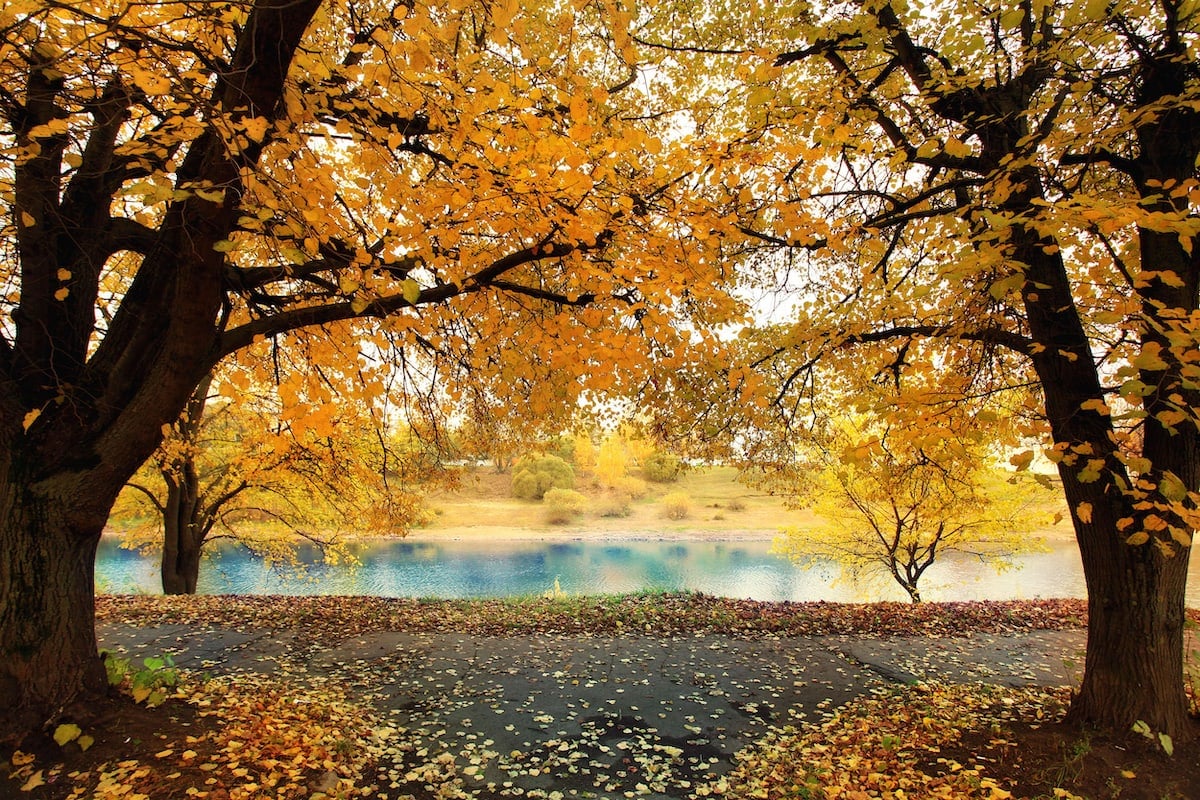
Meteorological Definition and Scientific Basis of Indian Summer

Indian Summer represents a distinct meteorological phenomenon characterized by a brief but pronounced return of warm, often dry weather following the first frost of autumn. Unlike typical seasonal transitions, this event defies conventional expectations by introducing unseasonably high temperatures—sometimes exceeding 25°C (77°F) or higher—during late October through November in the Northern Hemisphere. The term originates from early settlers in North America who observed this anomalous warmth, which they likened to the warmth of summer but occurring in autumn. Meteorologically, Indian Summer is classified as a secondary warm spell rather than a heat wave, as it does not involve prolonged extreme heat or humidity. Instead, it is tied to specific atmospheric conditions that temporarily disrupt the cooling trend of autumn.
The phenomenon is rooted in the interaction between high-pressure systems, air mass movements, and atmospheric stability. Unlike heat waves, which are driven by persistent high-pressure ridges trapping warm air, Indian Summer results from the southern displacement of a high-pressure system (often a Bermuda High or Siberian High) that directs warm air from subtropical or tropical regions northward. This movement displaces cooler air masses, creating a temporary inversion where warmer air settles near the surface. The lack of precipitation during this period further distinguishes it from other warm spells, as Indian Summers are typically associated with clear skies, low humidity, and calm winds, conditions that enhance radiative cooling at night but retain warmth during the day.

Atmospheric Conditions and Air Mass Dynamics
The formation of Indian Summer is governed by the advection of warm air masses from lower latitudes, a process influenced by the polar jet stream and subtropical high-pressure zones. During autumn, the jet stream shifts southward, allowing high-pressure systems to dominate mid-latitude regions. These systems, often originating over the Gulf of Mexico, Atlantic Ocean, or Mediterranean, push warm air northward while blocking cooler Arctic air. The result is a temporary warming event that can last anywhere from three days to two weeks, depending on the persistence of the high-pressure system.
A key factor in Indian Summer is the inversion layer, where a warm air mass overlays cooler air near the surface. This inversion suppresses convection, leading to stable atmospheric conditions that prevent cloud formation and rainfall. The absence of moisture also contributes to the phenomenon’s dryness, a hallmark of Indian Summers in regions like the Midwest and Northeast United States, Eastern Canada, and parts of Europe. In contrast, heat waves are typically associated with unstable air masses, high humidity, and prolonged periods of extreme heat, often accompanied by thunderstorms.
Table of Contents
- Meteorological Definition and Scientific Basis of Indian Summer
- Atmospheric Conditions and Air Mass Dynamics
- Comparison with Similar Phenomena: Heat Waves and False Spring
- Regional Variations and Historical Weather Records
- Cultural and Historical Significance of Indian Summer
- Linguistic Origins and Early Usage in Literature and Folklore
- Cultural Symbolism Across Societies: Nostalgia, Harvest, and Transience
- Historical Events and Artistic Works Featuring Indian Summer
- Indigenous Interpretations and Practical Utilization of Indian Summer
- Literary and Musical Excerpts Evoking Indian Summer
- Geographical Distribution and Ideal Conditions for Indian Summer
- Primary Geographic Regions Experiencing Indian Summer
- Ideal Meteorological Conditions for Indian Summer Formation
- Step-by-Step Formation Process of Indian Summer
- Regional Case Studies: Michigan vs. the United Kingdom
- Impact on Agriculture, Wildlife, and Human Activities
- Agricultural Cycles and Crop Yields
- Ecological Effects on Wildlife
- Human Activities and Adaptations
- Pros and Cons of Indian Summer Across Sectors
Scientific Explanation of Indian Summer Formation: Indian Summer occurs when a subtropical high-pressure system displaces cooler air masses, creating a temporary warm air advection from the south. The resulting atmospheric inversion traps warmth near the surface while suppressing precipitation, leading to clear, dry, and unseasonably warm conditions.
The timing of Indian Summer is closely linked to the first frost date in a given region. For example, in the Great Lakes region of the U.S., Indian Summer typically follows the first frost by 1–3 weeks, aligning with the autumnal equinox’s residual warmth. In Europe, particularly in the British Isles and Scandinavia, similar warm spells occur due to the influence of the Azores High, which directs warm air from the Atlantic. Meanwhile, in East Asia, the phenomenon is influenced by the Siberian High, which interacts with Pacific air masses to produce late-autumn warmth in regions like Japan and Korea.
Comparison with Similar Phenomena: Heat Waves and False Spring
While Indian Summer shares superficial similarities with heat waves and false spring, distinct meteorological differences set it apart in terms of timing, duration, and causative factors.
| Feature | Indian Summer | Heat Wave | False Spring |
|---|---|---|---|
| Seasonal Occurrence | Late autumn (post-first frost) | Summer or early autumn | Early spring (pre-last frost) |
| Primary Cause | High-pressure system displacement | Persistent high-pressure ridge | Early retreat of winter air masses |
| Temperature Pattern | Moderate warmth (10–15°C above average) | Extreme heat (often >35°C/95°F) | Mild warmth (5–10°C above average) |
| Humidity Levels | Low to moderate (dry conditions) | High (often oppressive) | Variable (can be dry or moist) |
| Duration | 3–14 days | Weeks to months | Days to a week |
| Geographic Prevalence | Mid-latitudes (U.S. Midwest, Europe) | Global (common in deserts, urban areas) | Temperate regions (U.S., Europe, Asia) |
| Associated Weather | Clear skies, calm winds | Thundersorms, drought conditions | Unstable weather, possible frost return |
Indian Summer differs from heat waves in that it is not sustained by a single high-pressure system but rather by a temporary shift in air mass dominance. Heat waves, by contrast, are driven by stationary or slowly moving high-pressure systems that trap heat for extended periods, often leading to dangerous conditions such as wildfires or heat-related illnesses. False spring, another deceptive warm spell, occurs in early spring when a premature retreat of cold air creates a brief period of warmth before the last frost. Unlike Indian Summer, false spring is highly unpredictable and often followed by a sudden return of freezing temperatures, which can damage crops.
Key Distinction: Indian Summer is a post-frost autumnal warming event, whereas false spring is a pre-frost springtime anomaly, and heat waves are prolonged summer/early autumn extreme heat events driven by persistent high pressure.
Regional Variations and Historical Weather Records
Indian Summer exhibits significant regional variations in timing, intensity, and frequency, influenced by continental positioning, ocean currents, and topographic features. Below is a comparative analysis of Indian Summer across key regions, supported by historical weather data from sources such as NOAA, Met Office (UK), and Japan Meteorological Agency (JMA).
| Region | Typical Timing | Average Temperature Range | Duration | Associated Weather Patterns | Historical Frequency (20th–21st Century) |
|---|---|---|---|---|---|
| Midwest U.S. | Late October–November | 18–27°C (64–80°F) | 5–10 days | Bermuda High influence, dry conditions | ~3–5 events per decade, decreasing trend since 1980s |
| Northeast U.S. | November | 15–24°C (59–75°F) | 3–7 days | Azores High interaction, light winds | ~4 events per decade, variable intensity |
| Southern Europe | October–November | 20–28°C (68–82°F) | 4–12 days | Mediterranean High, föhn winds | ~5–7 events per decade, increasing in recent years |
| East Asia (Japan/Korea) | Late October–November | 16–25°C (61–77°F) | 3–8 days | Siberian High, Pacific air mass interaction | ~6 events per decade, linked to El Niño-Southern Oscillation (ENSO) |
| Canada (Ontario/Quebec) | November | 10–20°C (50–68°F) | 2–5 days | Arctic front interactions, lake-effect moderation | ~2–4 events per decade, declining since 1990s |
Historical records indicate that Indian Summers have become less frequent in some regions, particularly in North America, due to climate change-induced shifts in jet stream patterns. For instance, NOAA data from 1950–2020 shows a 30% decline in Indian Summer events in the Upper Midwest, attributed to earlier and more intense frost events caused by Arctic amplification. Conversely, Southern Europe has experienced an increase in frequency, with Spain and Italy reporting up to 7 events per decade in recent years, likely due to strengthening subtropical high-pressure systems.
Climate Trend Observation: Since the 1980s, Indian Summers in North America have shortened
Cultural and Historical Significance of Indian Summer
The term Indian Summer transcends its meteorological definition, embedding itself deeply into the cultural fabric of societies where its warm, golden hues emerge unexpectedly after autumn’s chill. Its origins are shrouded in linguistic evolution, indigenous interpretations, and literary symbolism, reflecting humanity’s enduring fascination with fleeting warmth and the cyclical nature of time. Beyond scientific observation, Indian Summer has become a metaphor for nostalgia, renewal, and the bittersweet beauty of seasonal transitions—captured in art, folklore, and historical narratives across continents. From Native American traditions to European literature, this phenomenon has inspired celebrations, warnings, and poetic musings, shaping how different cultures perceive the interplay between nature and human emotion.
Linguistic Origins and Early Usage in Literature and Folklore
The etymology of Indian Summer is contested but widely traced to early European settlers in North America during the 18th century. One prevailing theory links the term to the Algonquian tribes, particularly the Lenape (Delaware) people, who inhabited the northeastern United States. According to oral traditions and historical accounts, the Lenape referred to this late-season warmth as "waap sekonn" ("the false summer") or "waap wiwassen" ("the Indian summer"), describing it as a deceptive reprieve before winter’s arrival. European colonists, unfamiliar with the term, adopted and anglicized it, though the exact phrasing varied—some records from the 1770s use "red Indian summer" or "squaw summer." The term gained broader literary traction in the 19th century, appearing in works like James Fenimore Cooper’s The Last of the Mohicans (1826), where it symbolizes both beauty and impending doom in the wilderness. Another linguistic thread connects Indian Summer to German settlers in Pennsylvania, who described the phenomenon as "Altweibersommer" (Old Women’s Summer), associating it with the fine, web-like spider silk that appears in the air during these warm days. This German term, however, did not gain the same cultural footing as its American counterpart. By the mid-1800s, Indian Summer had solidified in English literature as a poetic device, often evoking melancholy or transient beauty. Henry Wadsworth Longfellow’s The Song of Hiawatha (1855) includes a reference to the "red leaves of the Indian summer," blending Native American imagery with romanticized nostalgia. The term’s endurance in language underscores its role as a cultural bridge between indigenous knowledge and colonial interpretation.
Cultural Symbolism Across Societies: Nostalgia, Harvest, and Transience
Indian Summer’s cultural symbolism varies by region, often tied to themes of harvest, impermanence, and emotional reflection. In North America, the phenomenon aligns with the harvest season, particularly for agricultural communities who view it as a final gift from the earth before winter. The Amish and Mennonite communities in Pennsylvania, for instance, associate Indian Summer with the completion of fieldwork, marking a time for rest and communal gatherings. The warm, crisp air becomes synonymous with gratitude and preparation, themes echoed in folk songs like "Indian Summer" by The Carter Family, which romanticizes the season as a moment of fleeting joy before the cold sets in. In Europe, particularly in regions like England and Germany, Indian Summer carries a more philosophical weight, symbolizing the inevitability of change. The Romantic poets of the 19th century, such as John Keats and William Wordsworth, often used autumnal imagery to reflect on mortality and the passage of time. Keats’ "To Autumn" (1820) captures this sentiment without explicitly naming Indian Summer, yet its "conspiring autumn" and "warm breath" evoke the same deceptive warmth. Meanwhile, in Japan, the equivalent phenomenon—known as "kōshū" (後秋, "late autumn")—is celebrated in haiku poetry and Bonsai cultivation, where the brief respite allows for final pruning and reflection before winter’s dormancy. Indigenous communities in North America interpreted Indian Summer through a practical and spiritual lens. The Ojibwe people of the Great Lakes region, for example, considered this period ideal for hunting and gathering, as animals remained active and plants offered their last harvests. Elders taught that the warmth was a sign to prepare for winter, both physically and ceremonially. The Pueblo tribes of the Southwest used the season to dry corn and other crops, ensuring sustenance through the colder months. Rituals often involved thanksgiving dances and storytelling, reinforcing the idea that Indian Summer was a time to honor the land’s generosity while acknowledging its cyclical nature.
Historical Events and Artistic Works Featuring Indian Summer
Indian Summer’s influence extends beyond literature into visual arts, music, and historical events, often serving as a backdrop for pivotal moments or thematic explorations. One notable example is Winslow Homer’s painting The Gulf Stream (1899), which, while not explicitly about Indian Summer, captures the transient warmth and isolation of maritime life—a parallel to the fleeting nature of the season. Homer’s use of golden light and solitary figures reflects the loneliness and resilience associated with late-season warmth, themes that resonate with Indian Summer’s cultural symbolism. In music, the bluegrass and folk traditions of Appalachia frequently evoke Indian Summer as a metaphor for homecoming and loss. The Stanley Brothers’ 1950s recordings, including "Autumn Leaves," weave the season’s imagery into ballads about love and departure, while Bob Dylan’s Desolation Row (1965) references "the autumn of his life" in lines that subtly nod to the deceptive warmth of Indian Summer. The jazz standard "Indian Summer" by Victor Schertzinger (1931) further cemented the term’s association with nostalgia and bittersweet beauty, becoming a staple in big-band performances. Historically, Indian Summer has also marked significant cultural shifts. During the American Civil War (1861–1865), soldiers in the northern states often experienced Indian Summers that briefly lifted morale before winter’s harsh realities set in. Diary entries from Union soldiers describe the season as a "false hope," mirroring the broader theme of deception in the term’s origin. Similarly, in 19th-century Europe, the phenomenon was noted in Victor Hugo’s Les Misérables (1862), where Parisian streets under Indian Summer light symbolize the temporary reprieve for the downtrodden before the inevitable return of hardship.
Indigenous Interpretations and Practical Utilization of Indian Summer
For indigenous peoples of North America, Indian Summer was not merely a meteorological curiosity but a critical period for survival and ceremony. The Algonquian-speaking tribes, including the Mi’kmaq of Atlantic Canada and the Abenaki of New England, relied on this warm stretch to hunt deer and waterfowl, whose activity remained high despite the approaching winter. The Plains tribes, such as the Lakota and Cheyenne, used Indian Summer to dry meat and jerky, preserving food for the long cold months. Elders passed down knowledge of plant cycles, noting which herbs—such as echinacea (coneflower)—could still be harvested before the ground froze. Ceremonially, Indian Summer was a time for giving thanks and preparation. The Haudenosaunee (Iroquois Confederacy) held Green Corn Festivals in late summer or early autumn, but some communities also incorporated Indian Summer into their harvest rituals, offering tobacco and prayers to the Three Sisters (corn, beans, squash) for a bountiful next year. The Navajo people of the Southwest used the season to weave final baskets and rugs from last-year’s grasses, ensuring their crafts would last through winter. These practices reflect a deep ecological understanding of seasonal cycles, where Indian Summer served as a bridge between abundance and scarcity. The Sioux (Lakota/Dakota/Nakota) tribes associated Indian Summer with the return of the buffalo to lower elevations, a signal to begin large-scale hunts. Oral histories describe how warriors would track herds during this time, knowing the animals would grow lethargic as winter neared. The season also held spiritual significance, with some tribes believing that the warmth was a gift from the sun deity, a temporary reprieve before the world grew cold. Shamans might perform healing ceremonies during Indian Summer, as the balance of light and dark was seen as a time of transition and renewal.
Literary and Musical Excerpts Evoking Indian Summer
The mood of Indian Summer has inspired some of the most evocative passages in literature and lyrics, often blending natural imagery with existential reflection. Below are key excer
Geographical Distribution and Ideal Conditions for Indian Summer
The phenomenon of Indian Summer extends far beyond its namesake North American region, manifesting in distinct climatic patterns across temperate zones in North America, Europe, and Asia. These occurrences share a common meteorological foundation but vary in frequency, intensity, and cultural significance depending on regional climate dynamics. Understanding the geographical spread and atmospheric prerequisites for Indian Summer reveals how subtle shifts in pressure systems, temperature inversions, and seasonal transitions create this transient warmth. Below, the primary regions experiencing Indian Summer are mapped alongside the ideal conditions that trigger its formation, followed by a comparative analysis of regional case studies and atmospheric visualizations that illustrate its development.
Primary Geographic Regions Experiencing Indian Summer
Indian Summer is most prominently observed in temperate latitudes where cold-season air masses interact with lingering warm air, typically between 30°N and 50°N. The phenomenon is not confined to North America but also appears in Europe and parts of Asia, though its characteristics differ due to continental influences and oceanic moderation. North America exhibits the most documented cases, particularly in the Midwest and Northeast U.S., as well as southern Canada (e.g., Ontario, Quebec). The Great Lakes region, including Michigan, Ohio, and New York, frequently experiences Indian Summer due to the delayed cooling of lake waters, which retains heat and influences nearby land temperatures. In the Northeast, cities like Boston and Philadelphia record instances where temperatures spike to 20–30°C (68–86°F) in late autumn, often followed by a sudden return of frost. Europe also witnesses Indian Summer, particularly in the United Kingdom (especially southern England) and Scandinavia, where the term "St. Martin’s Summer" (observed around November 11) describes similar warm spells. The Baltic region and northern Germany occasionally experience brief periods of unseasonable warmth, attributed to the Azores High extending its influence northward. In contrast, Eastern Europe (e.g., Poland, Czech Republic) may see Indian Summer-like conditions linked to the Siberian High pushing mild air westward. Asia presents a broader spectrum of Indian Summer occurrences. In East Asia, regions like northern China, Korea, and Japan (especially Hokkaido) experience warm spells in late autumn, often tied to the Siberian High or Pacific High interactions. The Yangtze River basin in China may also see delayed warmth due to residual tropical moisture. Conversely, South Asia rarely encounters Indian Summer, as its climate is dominated by monsoonal patterns rather than mid-latitude pressure systems.
Ideal Meteorological Conditions for Indian Summer Formation
The emergence of Indian Summer hinges on three interdependent atmospheric conditions: high-pressure dominance, temperature inversions, and minimal wind activity. These factors collectively trap warmth near the surface while preventing heat dispersion, creating a temporary reprieve from autumnal cooling. 1. Dominance of High-Pressure Systems A persistent high-pressure system is the cornerstone of Indian Summer, as it suppresses cloud formation and promotes subsidence—the downward movement of air that compresses and warms. In North America, the Bermuda High or Ridge of High Pressure extending from the subtropical Atlantic often plays a role, while in Eurasia, the Siberian High or Azores High can redirect mild air northward. The pressure gradient between these highs and adjacent low-pressure systems (e.g., Aleutian Low or Icelandic Low) steers warm air poleward. 2. Clear Skies and Radiative Cooling Suppression Indian Summer requires prolonged clear skies to minimize nocturnal radiative cooling, which would otherwise dissipate daytime warmth. The absence of clouds allows shortwave solar radiation to heat the surface during the day while reducing longwave infrared loss at night. Satellite imagery during Indian Summer events often reveals low cloud cover over affected regions, with infrared sensors detecting elevated surface temperatures relative to surrounding areas. 3. Temperature Inversions and Warmth Retention A temperature inversion—where warmer air overlays cooler air—is critical for trapping heat. Inversions form when:
Subsiding air from the high-pressure system compresses and warms adiabatically. Nocturnal cooling creates a shallow cold layer near the surface, while residual warmth lingers aloft. Topographic features (e.g., valleys in the Appalachians or Alps) exacerbate inversion effects by channeling cold air downward. This inversion acts as a thermal blanket, preventing the escape of heat and maintaining surface temperatures 5–10°C (9–18°F) above seasonal norms. 4. Low Wind Speeds and Reduced Heat Dispersion Wind speeds below 10 km/h (6 mph) are ideal, as stronger winds would disperse the warm air mass or introduce cooler air from adjacent regions. Geostrophic wind patterns under high pressure further stabilize the atmosphere, reducing turbulence. Anemometer data from Indian Summer events often shows calm or light variable winds, contributing to the prolonged warmth.
Step-by-Step Formation Process of Indian Summer
The development of Indian Summer follows a predictable sequence of atmospheric interactions, which can be visualized as a five-stage process:
- Establishment of a High-Pressure Ridge A subtropical or mid-latitude high-pressure system (e.g., Bermuda High, Siberian High) expands poleward, displacing cold-season air masses. Upper-level ridges in the 500 hPa geopotential height charts indicate the presence of warm air aloft. Example: A 588-decimeter contour on weather maps signals strong ridging associated with Indian Summer in the U.S. Midwest.
- Advection of Mild Air The high-pressure system redirects airflow, transporting maritime tropical or modified continental air northward. In North America, this often originates from the Gulf of Mexico or Caribbean, while in Europe, it may stem from the Mediterranean or Atlantic. HYSPLIT backward trajectory models (NOAA) can trace the air mass origins, revealing paths that loop over warm bodies of water before arriving at the target region.
- Formation of a Temperature Inversion As the warm air mass settles, subsidence inversions develop, with temperatures increasing with altitude. Rawinsonde data (weather balloons) confirm inversions at 850–700 hPa levels, where temperatures may exceed 10°C (50°F) despite near-freezing surface layers. This inversion caps convective mixing, preventing the dispersion of warmth.
- Surface Heating and Warmth Retention Under clear skies and light winds, solar radiation heats the ground and lower atmosphere during the day. NOAA’s GOES satellite imagery shows high daytime land surface temperatures (LST) in affected regions, often 10–15°C (18–27°F) warmer than surrounding areas. At night, the inversion minimizes cooling, allowing temperatures to remain 5–8°C (9–14°F) above normal.
- Sudden Return of Cold Air The Indian Summer concludes when the high-pressure system weakens or shifts, allowing polar or Arctic air masses to surge southward. Cold fronts associated with low-pressure systems (e.g., Aleutian Low) disrupt the inversion, leading to a rapid temperature drop within 24–48 hours. Surface pressure maps show the advancing trough as the harbinger of frost, often coinciding with wind shifts from southwest to northwest.
Regional Case Studies: Michigan vs. the United Kingdom
While Indian Summer shares a meteorological foundation, its manifestation varies significantly between regions due to continental vs. maritime influences, topography, and historical climate records. Case Study 1: Indian Summer in Michigan (North America)
Climatic Factors: Great Lakes influence: Delayed cooling of lake waters (e.g., Lake Michigan) retains heat, which is then advected inland by high-pressure systems. Lake-effect inversions further stabilize warmth. Topography: The Appalachian foothills and Michigan’s peninsular shape channel warm air from the south, while valleys trap cold air, exacerbating temperature contrasts. Frequency: Documented since the 19th century, with notable events in 1954 (27°C/81°F in October), 1998 (24°C/75°F in November), and 2017 (25°C/77°F in late October). Cultural Adaptations: A Impact on Agriculture, Wildlife, and Human Activities
Indian Summer exerts a profound influence on ecosystems and human livelihoods, acting as both a blessing and a challenge across sectors. This late-season warmth disrupts conventional seasonal expectations, creating ripple effects in agricultural productivity, wildlife behavior, and daily human routines. While it extends growing periods for certain crops and energizes outdoor activities, it also introduces risks such as delayed frost or altered migration patterns. Understanding these dynamics is critical for farmers, ecologists, and communities to adapt sustainably, especially as climate change reshapes the frequency and intensity of this meteorological phenomenon.
Agricultural Cycles and Crop Yields
The extended warmth of Indian Summer plays a dual role in agriculture, either prolonging harvest windows or complicating cultivation for frost-sensitive crops. Regions like the Northeastern United States and Eastern Canada, where Indian Summer is most pronounced, experience delayed autumn frosts that benefit late-season crops such as grapes for wine production, apples, and pumpkins. For example, vineyards in Finger Lakes, New York, often rely on Indian Summer to achieve optimal sugar ripeness in grapes, delaying harvests by weeks and improving wine quality. Similarly, late-harvest apples in Michigan and Ontario benefit from the warm spell, allowing farmers to extend storage and marketability. However, the phenomenon poses risks to frost-sensitive crops like corn, soybeans, and tender vegetables. A premature Indian Summer can trick plants into premature growth, only for an early frost to follow, resulting in crop failure or reduced yields. Historical records from the 1990s show instances where unseasonable warmth in October led to significant losses in potato and tobacco crops in the Midwest. Additionally, orchards and berry farms face challenges if flowering occurs too early, exposing plants to late-season frost damage. Farmers in these regions employ strategies such as row covers, irrigation to delay bud break, and strategic pruning to mitigate risks. Key Agricultural Impacts:
Extended growing seasons for hardy crops like grapes, apples, and winter wheat. Increased sugar content in fruits, enhancing quality for wine and juice production. Disrupted frost-sensitive crops, leading to potential yield losses in corn, potatoes, and tobacco. Altered planting schedules, with some farmers delaying autumn plantings to avoid early frost risks. Ecological Effects on Wildlife
Wildlife populations exhibit noticeable behavioral shifts in response to Indian Summer, influencing migration, reproduction, and survival strategies. Bird migrations, for instance, can be delayed or altered as warmer temperatures create favorable conditions for insect prey. Studies from the Cornell Lab of Ornithology indicate that species like the American Robin and Black-capped Chickadee may postpone their southern migrations if food sources remain abundant due to extended warmth. Similarly, insect populations, such as butterflies and bees, experience prolonged activity periods, affecting pollination cycles for late-blooming plants. Mammals and reptiles also adjust their behaviors. Black bears in the Appalachian Mountains may delay hibernation if Indian Summer provides ample food resources, while snakes and lizards remain active longer, increasing their exposure to predators or human disturbances. Amphibians, such as frogs and salamanders, may experience disrupted breeding cycles if water bodies warm prematurely, altering oxygen levels and reproductive success. Flowering plants, including goldenrod and asters, benefit from the extended warmth, providing nectar for late-season pollinators, but some species may fail to set seeds if frost arrives unexpectedly. Wildlife Adaptations and Risks:
Delayed migrations in birds and insects due to prolonged food availability. Extended hibernation delays in mammals like bears and groundhogs. Altered mating seasons in reptiles and amphibians, with potential survival risks. Shifts in plant phenology, affecting pollinator-dependent species. Human Activities and Adaptations
Indian Summer reshapes human routines, influencing everything from recreational activities to energy consumption. Outdoor enthusiasts capitalize on the warm spell for hiking, camping, and harvest festivals, with regions like the Adirondacks and Great Smoky Mountains seeing increased tourism during this period. Apple and pumpkin picking become popular events, drawing families to rural areas. Conversely, gardening and landscaping require adjustments, as late-season planting or pruning may be necessary to protect tender plants from impending frost. Energy consumption patterns also reflect the phenomenon’s impact. Heating demand drops significantly as unseasonable warmth reduces reliance on furnaces, leading to cost savings for households. However, air conditioning use may spike briefly if temperatures soar unexpectedly, particularly in urban areas with the heat island effect. Communities often issue frost advisories to prepare residents for sudden temperature drops, advising farmers to harvest remaining crops and homeowners to protect sensitive plants. Cultural and Economic Adaptations:
Increased tourism for harvest festivals, hiking, and outdoor events. Extended gardening seasons with late plantings and protective measures. Reduced heating costs but potential spikes in cooling demand. Frost preparedness campaigns to safeguard agriculture and infrastructure. Pros and Cons of Indian Summer Across Sectors
The table below summarizes the positive and negative impacts of Indian Summer, along with adaptation strategies for key sectors. Data is derived from agricultural reports, ecological studies, and climate assessments.
Sector Positive Impacts Negative Impacts Adaptation Strategies Agriculture
- Extended growing season for hardy crops (grapes, apples, winter wheat).
- Improved sugar content in fruits for wine and juice production.
- Later harvest windows increase market flexibility.
- Premature growth in frost-sensitive crops leading to yield losses.
- Disrupted planting schedules due to unpredictable frost timing.
- Increased pest activity from prolonged warm periods.
- Use of frost cloths and row covers for vulnerable plants.
- Delayed planting of autumn crops to avoid early frost risks.
- Monitoring weather forecasts for frost advisories.
Tourism
- Peak season for harvest festivals, hiking, and outdoor recreation.
- Increased revenue for local businesses (farms, lodges, restaurants).
- Extended camping and hunting seasons in some regions.
- Overcrowding and resource strain in popular destinations.
- Sudden frost can disrupt outdoor events or tourism plans.
- Wildfire risks increase with dry, warm conditions.
- Promoting off-peak activities to distribute visitor loads.
- Issuing early warnings for frost or wildfire risks.
- Maintaining flexible event schedules.
Health
- Reduced heating-related illnesses (e.g., hypothermia, respiratory issues).
- Improved mental well-being from extended outdoor activity.
- Heat-related illnesses if temperatures spike unexpectedly.
- Allergy flare-ups from prolonged pollen seasons.
- Increased pest-borne diseases (e.g., ticks, mosquitoes).
- Health advisories for heat waves and allergens.
- Encouraging hydration and sun protection during warm spells.
- Pest control measures in residential areas.
Indian Summer remains a testament to nature’s unpredictability, blending meteorological precision with cultural nostalgia. Whether observed through the lens of climate science, agricultural cycles, or artistic expression, its fleeting warmth serves as a reminder of how weather shapes human experience. As global temperatures shift, understanding this phenomenon becomes not just a curiosity but a critical study in climate adaptation—where history and data converge to illuminate the delicate balance of Earth’s seasons.
Leave a Comment
Comments are moderated before appearing. The data you submit is processed according to the Privacy Policy of Littlepoolco.