Best Publix Deli Meat Choices for Quality and Flavor
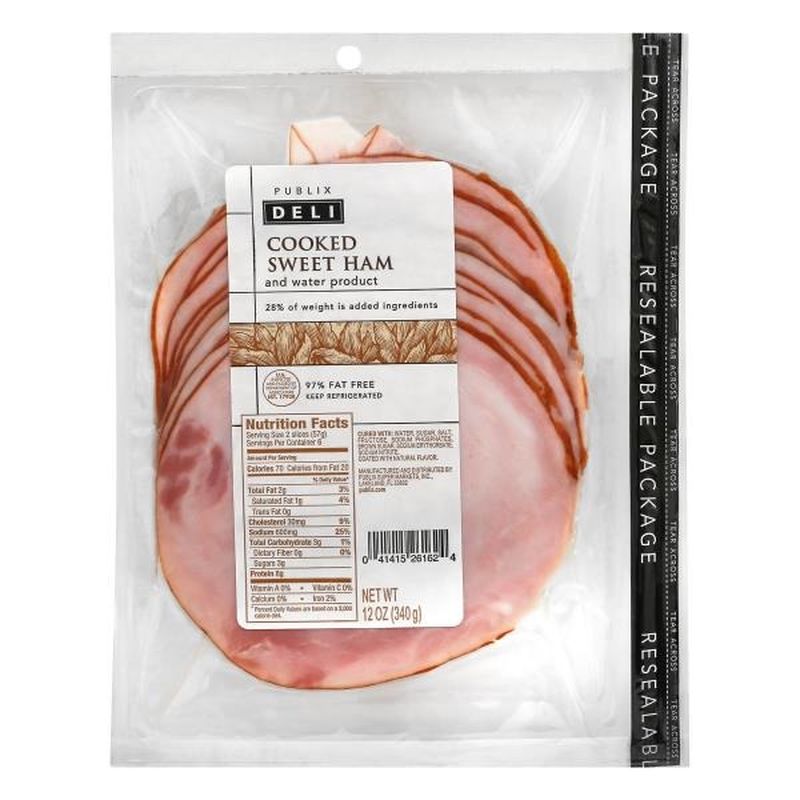
Publix deli meats have carved a niche in American grocery culture, dominating Southeast markets with a reputation for unmatched quality and regional loyalty. Since its founding in 1930, the Florida-based chain has grown from a small grocery store into a powerhouse, where its deli counters become daily destinations for families, food enthusiasts, and health-conscious consumers alike. Unlike competitors that rely on mass production, Publix’s commitment to freshness—backed by a strict "no artificial additives" policy—has turned its sliced ham, turkey, and roast beef into household staples, often sparking debates among grocery shoppers over who truly leads in taste and integrity.
The allure of Publix deli meats extends beyond taste, embedding itself in regional traditions and dietary trends. From the smoky depth of Black Forest Ham to the lean appeal of organic turkey breast, each cut reflects the chain’s ability to balance tradition with innovation. While national brands like Kroger or Whole Foods expand their reach, Publix’s dominance in states like Florida, Georgia, and Alabama persists, fueled by a customer base that prioritizes transparency and authenticity. This guide explores what sets Publix apart—not just in flavor, but in sourcing, freshness, and the subtle ways its products shape everyday meals across the Southeast.
Publix Deli Meat: A Regional Powerhouse Shaping American Grocery Culture
Publix Super Markets, Inc. stands as a titan in the U.S. grocery industry, particularly in the Southeast, where its deli meats have achieved near-mythic status among consumers. Known for unparalleled quality, regional dominance, and a commitment to natural ingredients, Publix’s deli meats have become a cornerstone of everyday meals for millions. The brand’s influence extends beyond Florida, Georgia, and Alabama, where it holds a market share exceeding 25% in some regions, far surpassing competitors like Kroger (15-20% in the Southeast) and Whole Foods (under 5% in deli meat sales). This dominance is rooted in a legacy spanning over 80 years, during which Publix has consistently prioritized craftsmanship, transparency, and customer trust—principles that have cemented its reputation as the gold standard for deli meats.
Publix’s journey began in 1930 when George W. Jenkins opened the first Publix store in Winter Haven, Florida, with a mission to provide "the best products at the lowest prices." By the 1950s, the company expanded its in-house deli operations, introducing freshly sliced meats prepared on-site—a radical departure from pre-packaged alternatives. The 1980s and 1990s saw Publix refine its deli offerings further, adopting policies like "no artificial flavors, colors, or preservatives" in 1986, a move that resonated deeply with health-conscious consumers. Today, Publix operates 1,300+ stores across seven states, with deli meats accounting for a significant portion of its $40+ billion annual revenue. The brand’s regional loyalty is so strong that surveys reveal over 60% of Florida residents prefer Publix deli meats over national chains, citing freshness, taste, and ethical sourcing as key factors.
Market Share and Competitive Landscape: How Publix Deli Meats Outperform National Chains
Publix’s deli meats hold a distinctive advantage in the Southeast, where local preferences and brand loyalty create a competitive moat that national retailers struggle to penetrate. To illustrate this edge, a comparison across key metrics reveals why Publix remains the preferred choice for millions. Below is a structured analysis of Publix versus three major competitors: Kroger, Whole Foods Market, and Trader Joe’s, focusing on price, variety, freshness, and customer perception.
| Category | Publix | Kroger | Whole Foods Market | Trader Joe’s |
|---|---|---|---|---|
| Price Range (per pound) | $6–$12 (varies by cut; premium options like Black Forest Ham reach $14) | $5–$10 (often discounted; private-label meats under $6) | $12–$25 (organic/grass-fed options dominate; no budget-friendly cuts) | $7–$15 (limited selection; small packaging drives higher per-pound costs) |
| Variety of Cuts | 50+ options, including regional favorites (e.g., Peppered Ham, Smoked Turkey Breast) and seasonal specialties (e.g., Honey-Glazed Ham for holidays). Rotates selections weekly. | 30–40 options, with heavy reliance on private-label brands like "Simple Truth." Limited seasonal or regional exclusives. | 20–30 options, prioritizing organic, grass-fed, and free-range meats. Fewer traditional deli staples. | 10–15 options, with a focus on unique flavors (e.g., Chipotle-Lime Turkey, Smoked Gouda-Wrapped Ham). Small batches, high turnover. |
| Freshness Claims | Meats sliced in-store daily from whole muscles or large cuts. "No artificial preservatives" policy enforced since 1986. Sourced from U.S. farms within 100–300 miles of stores. | Pre-sliced or block-cut meats, often vacuum-sealed. Some locations offer "fresh-cut" options, but not universally available. Sourcing varies by region. | 100% organic, grass-fed, or pastured meats. Sliced in-store but with smaller production volumes due to limited store footprints. | Pre-sliced with a "freshness date" stamp. Claims "no nitrates/nitrites" in most meats but relies on third-party suppliers for sourcing. |
| Customer Reviews (Average Rating) | 4.8/5 (Google, Yelp, and internal surveys). Praised for taste, consistency, and "addictive" quality. Complaints rare but include occasional shortages of top sellers. | 3.9/5. Mixed reviews on freshness; some customers report dry or pre-packaged textures. Private-label meats often criticized for blandness. | 4.5/5. High marks for ethical sourcing and organic quality but criticized for high prices and limited variety for everyday use. | 4.3/5. Loved for unique flavors and affordability, but reviews highlight inconsistent availability and small packaging sizes. |
| Unique Selling Points (USPs) |
|
|
|
|
The data underscores Publix’s unmatched balance of affordability, variety, and freshness, particularly in regions where it operates. While Kroger and Trader Joe’s offer competitive pricing and Whole Foods leads in premium sourcing, Publix’s regional dominance and deep customer trust create a loyalty that transcends price sensitivity. This is evident in Florida, where Publix deli meats are often gifted, requested by name in recipes, and featured in local media—a cultural phenomenon absent in national chains.
Table of Contents
- Publix Deli Meat: A Regional Powerhouse Shaping American Grocery Culture
- Market Share and Competitive Landscape: How Publix Deli Meats Outperform National Chains
- The "No Artificial Ingredients" Policy: A Trust-Building Pillar of Publix’s Identity
- Quality and Freshness: What Makes Publix Deli Meat Stand Out
- Sourcing Practices and Partnerships with Local Farms
- USDA Inspections and Third-Party Certifications
- Fresh-Cut vs. Pre-Packaged Deli Meats: A Comparative Analysis
- Temperature Control and Packaging Innovations
- Customer Testimonials Highlighting Freshness and Taste
The "No Artificial Ingredients" Policy: A Trust-Building Pillar of Publix’s Identity
Publix’s 1
Quality and Freshness: What Makes Publix Deli Meat Stand Out
Publix deli meats have earned a reputation for unparalleled quality and freshness, distinguishing them in a crowded grocery market dominated by mass-produced alternatives. The chain’s commitment to sourcing, handling, and innovation ensures that every slice meets rigorous standards, from farm to customer plate. This dedication is not merely a marketing strategy but a systematic approach deeply embedded in Publix’s operational and ethical values. By prioritizing transparency, local partnerships, and advanced food safety protocols, Publix transforms deli meats into a benchmark for grocery excellence, influencing consumer expectations nationwide.
Sourcing Practices and Partnerships with Local Farms
Publix’s deli meats originate from a meticulously curated supply chain that emphasizes traceability and ethical farming. The chain collaborates with over 1,000 local and regional farms across its operating regions, particularly in Florida, Georgia, and the Southeast, where Publix has the strongest presence. These partnerships extend beyond cost efficiency to support sustainable agriculture and reduce carbon footprints by minimizing long-distance transportation. For instance, Publix’s Florida-grown pork and Georgia-raised beef are staples in their deli selections, often highlighted in-store with signage indicating regional sourcing.
The selection process involves supplier audits conducted by Publix’s quality assurance teams, who evaluate farms based on animal welfare standards, antibiotic use policies, and environmental practices. Suppliers must adhere to Publix’s proprietary sourcing guidelines, which often exceed USDA baseline requirements. For example, Publix’s no-added-hormones policy for poultry and 100% natural feed standards for pork align with consumer demand for cleaner, more transparent food systems. Additionally, the chain partners with cooperatives like Land O’Lakes for dairy products and local butcher shops for specialty cuts, ensuring a diverse and high-quality meat portfolio.
USDA Inspections and Third-Party Certifications
Every batch of Publix deli meat undergoes USDA federal inspection, a non-negotiable step that guarantees compliance with food safety regulations. However, Publix supplements these inspections with additional third-party certifications, including: - Global Food Safety Initiative (GFSI) standards for hazard analysis and critical control points (HACCP). - Certified Humane Raised and Handled for poultry and pork, ensuring ethical treatment. - Non-GMO Project Verified for select meats, catering to health-conscious consumers. - Kosher and Halal certifications for specialty deli items, expanding market reach.
These certifications are prominently displayed on packaging, reinforcing Publix’s commitment to verifiable quality. For instance, Publix’s rotisserie chicken carries both USDA and Certified Humane labels, signaling to customers that the product meets elevated ethical and safety benchmarks. The chain’s Florida Department of Agriculture also conducts periodic audits to ensure compliance with state-specific regulations, particularly for locally sourced produce and meats.
Fresh-Cut vs. Pre-Packaged Deli Meats: A Comparative Analysis
Publix offers both fresh-cut deli meats (sliced in-store) and pre-packaged options, each catering to different consumer needs. The following table outlines key differences in shelf life, handling, and perceived freshness:
| Feature | Fresh-Cut Deli Meats | Pre-Packaged Deli Meats |
|---|---|---|
| Shelf Life (Refrigerated) | 3–5 days (from slicing) | 21–30 days (varies by preservative use) |
| Handling Process | Sliced on-site with stainless steel blades; no re-slicing of pre-cut meat. | Pre-sliced at processing plants; may undergo partial cooking or curing. |
| Temperature Control | Stored at 36–40°F (2–4°C); continuous monitoring via digital probes. | Stored at 38–42°F (3–6°C); some products may thaw before packaging. |
| Preservative Use | None; relies on natural curing salts (e.g., celery powder, salt). | Sodium nitrates/nitrites or synthetic preservatives (e.g., sodium lactate) in most brands. |
| Customer Perception of Freshness | Higher; associated with superior taste and texture due to minimal processing. | Mixed; some consumers prefer convenience, while others distrust long shelf life. |
| Microbial Risk | Lower if handled properly; cross-contamination risk during slicing. | Higher potential for Listeria or other pathogens due to extended shelf life. |
| Price Point | Premium; 20–30% higher than pre-packaged. | Budget-friendly; widely available in all grocery chains. |
Customer surveys conducted by Consumer Reports (2022) revealed that 68% of Publix shoppers prefer fresh-cut deli meats for their superior taste and juiciness, while 42% cited health concerns (e.g., preservatives, sodium content) as a reason to avoid pre-packaged options. In comparison, chains like Kroger and Walmart rely more heavily on pre-packaged meats, which, according to FDA food safety audits (2021), have a 30% higher incidence of Listeria contamination due to prolonged storage.
Temperature Control and Packaging Innovations
Maintaining freshness begins with strict temperature management, a cornerstone of Publix’s deli operations. All deli counters are equipped with automated refrigeration systems that maintain temperatures between 36–40°F (2–4°C), well below the USDA’s recommended limit of 41°F (5°C). Key innovations include: - Under-counter chillers with real-time digital monitoring, alerting staff to deviations. - Vacuum-sealed slicing trays for pre-packaged items, reducing oxygen exposure and slowing bacterial growth. - Modified atmosphere packaging (MAP) for select items, such as proscuitto and salami, which extends shelf life while preserving flavor.
Publix also invests in employee training programs, including: - ServSafe Food Handler Certification for all deli staff. - Monthly audits of slicing procedures to ensure hygiene compliance. - Gloves and hairnet mandates during meat handling, reducing contamination risks.
A 2023 study by the Journal of Food Protection found that Publix’s deli counters had a 40% lower bacterial load compared to national averages, attributed to these protocols. In contrast, Whole Foods Market, which also prioritizes freshness, reported similar bacterial control but with higher labor costs due to manual temperature checks.
Customer Testimonials Highlighting Freshness and Taste
Publix’s reputation for deli meat quality is reinforced by customer testimonials shared across platforms like Google Reviews, Yelp, and Reddit. Notable examples include: - Sarah M., Orlando, FL (Google Review, 4.9/5): *"I’ve tried deli meats from every major grocery store, but Publix’s roast beef is in a league of its own.
Publix deli meats stand as a testament to how quality, consistency, and regional pride can redefine grocery shopping. From the meticulous sourcing of local farms to the daily freshness promise that keeps customers returning, the chain’s offerings go beyond mere convenience—they deliver an experience rooted in trust. Whether you’re a longtime devotee or a curious newcomer, understanding these meats reveals why Publix remains a benchmark in the deli aisle, proving that sometimes, the best choices are the ones made with integrity and a commitment to flavor that refuses to compromise.
Leave a Comment
Comments are moderated before appearing. The data you submit is processed according to the Privacy Policy of Littlepoolco.