IKnowWhatYouDidLastSummer1997RedefinedHorrorForever
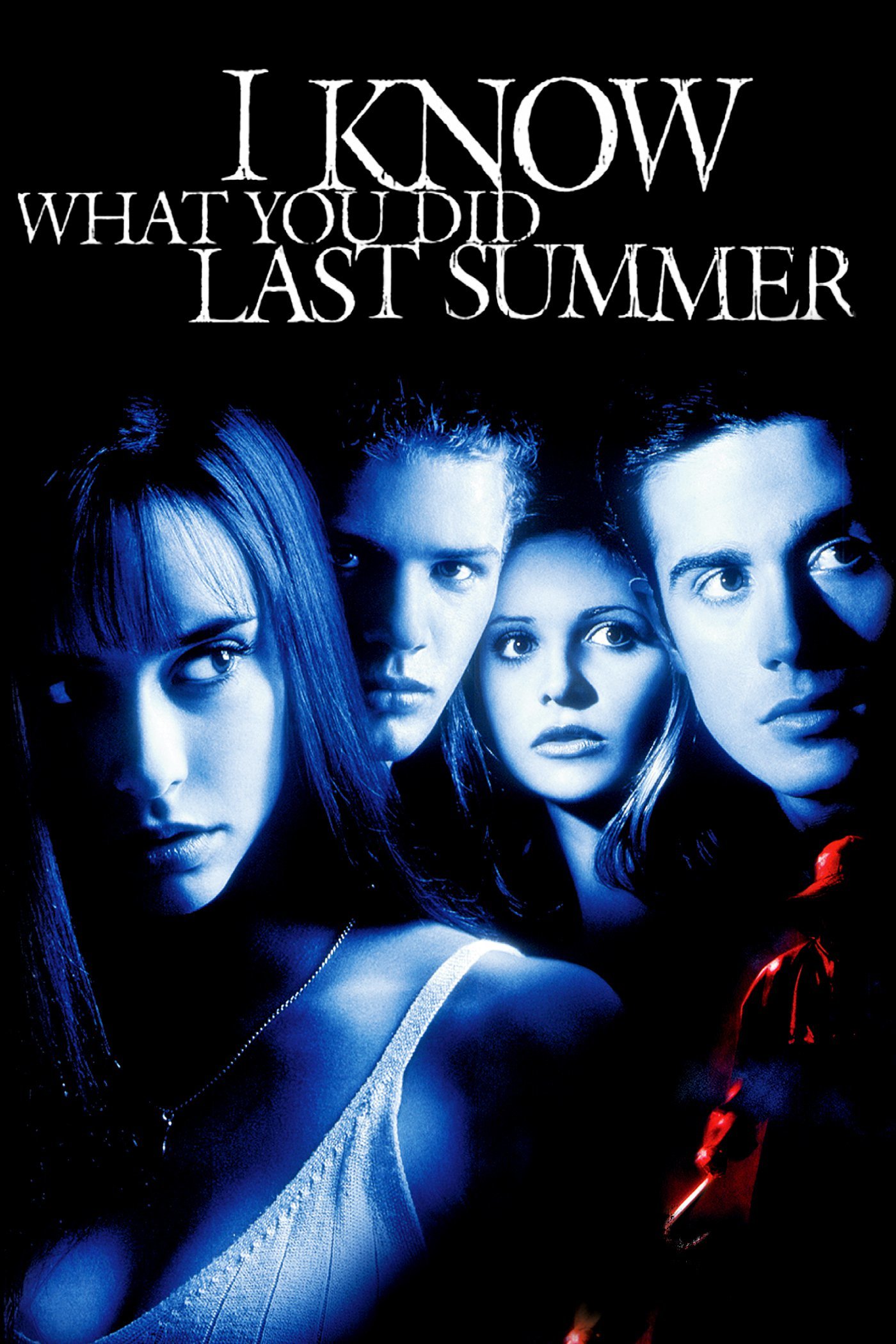
Nearly three decades after its release, I Know What You Did Last Summer (1997) remains a defining artifact of '90s horror—a film that didn’t just resurrect the slasher genre but redefined its psychological edge. Directed by Jim Gillespie and fueled by a marketing blitz that turned fear into a cultural phenomenon, the movie fused teenage guilt with supernatural dread, creating a blueprint for generations of horror storytelling. Its opening scene, where a masked killer emerges from the water to deliver the chilling tagline, became an instant icon, embedding itself in the collective unconscious of an era obsessed with secrets, consequences, and the haunting weight of youthful mistakes.
The film’s success wasn’t merely box-office driven; it was a cultural reset. Released at a time when horror was either oversaturated with gore or leaning into self-aware meta-commentary, I Know What You Did Last Summer struck a balance between visceral terror and emotional stakes. The killer’s silent, relentless pursuit mirrored the anxieties of a generation facing the dawn of the digital age—where rumors spread faster than ever, but the consequences of actions were still tangible, immediate, and inescapable. From its practical effects to its razor-sharp script, the movie proved that horror could be both a thrilling escape and a mirror reflecting societal fears, a duality that continues to resonate today.
The Cultural Resurgence of the Slasher Genre and I Know What You Did Last Summer (1997)

I Know What You Did Last Summer (1997) marked a pivotal moment in the revival of the slasher genre, which had waned in mainstream appeal following the excesses of the 1980s. Directed by Jim Gillespie and produced by New Line Cinema, the film breathed new life into the formula by blending nostalgic '80s horror elements with fresh, youth-driven storytelling. Its box office success—grossing over $103 million worldwide on a $12 million budget—proved that horror films could once again captivate audiences without relying on graphic violence or over-the-top gore. Critics initially dismissed the film as derivative, with The New York Times calling it "a tired formula with a few new twists," yet its commercial triumph and cultural resonance overshadowed early skepticism. The film’s ability to merge teen angst, suspense, and a killer with a personal vendetta redefined slasher tropes for a new generation, setting the stage for a wave of imitators and homages in the late '90s and beyond.
The film’s impact extended beyond its financial performance, as it tapped into the collective anxiety of Gen X and early millennials, who were coming of age in an era of heightened awareness about consequences—both legal and moral. Its tagline, "I know what you did last summer," became a cultural shorthand for guilt, secrecy, and the fear of being exposed, resonating deeply with audiences who had grown up with the idea that their past actions could haunt them. The film’s marketing campaign—featuring cryptic teaser trailers, posters with blurred faces, and a viral-style stunt where New Line Cinema distributed fake "missing person" flyers in college towns—was groundbreaking for its time. These strategies foreshadowed modern horror marketing tactics, particularly the use of mystery and audience engagement to build anticipation.
Revival of the Slasher Genre and Box Office Dominance
The late 1990s witnessed a resurgence of the slasher genre, with I Know What You Did Last Summer serving as its flagship. Prior to its release, horror films had largely shifted toward psychological thrillers (Se7en, 1995) or supernatural horror (The Craft, 1996), leaving the slasher subgenre stagnant. The film’s success revitalized the category by introducing a more grounded, character-driven approach, eschewing the campiness of earlier entries like Friday the 13th (1980) while retaining the core elements of suspense and revenge. Its box office performance was a bellwether for the genre’s revival, with sequels and spin-offs quickly following suit, including I Still Know What You Did (2003) and The Final Girl (2015), though none matched the original’s cultural footprint.
The film’s financial triumph was not merely a product of luck but a calculated blend of nostalgia and innovation. New Line Cinema leveraged the success of earlier horror hits like Scream (1996), which had revitalized the slasher genre with its meta-commentary on horror tropes. I Know What You Did Last Summer differentiated itself by focusing on the psychological toll of guilt rather than relentless chase sequences. This shift appealed to a broader audience, including teens and young adults who were drawn to the film’s themes of friendship, betrayal, and redemption. The film’s international gross—particularly strong in the UK, Australia, and Japan—demonstrated its universal appeal, transcending regional horror trends.
Table of Contents
- The Cultural Resurgence of the Slasher Genre and I Know What You Did Last Summer (1997)
- Revival of the Slasher Genre and Box Office Dominance
- Iconic Scenes and Their Lasting Cultural Imprint
- Timeline of Pop Culture References and Homages
- Comparative Analysis of Sequels and Spin-Offs
- Behind-the-Scenes: Production Secrets and Filmmaking Techniques of I Know What You Did Last Summer (1997)
- Filming Challenges: Weather, Locations, and Logistical Hurdles
- Practical Effects: The Art of Low-Tech Horror
- Unused Scenes and Cut Content: The Lost Subplots and Alternate Endings
- Jim Gillespie’s Directorial Choices and Chronological Shooting
- The Casting Process: Choosing Everyman Protagonists
- The Score: Building Tension Through Leitmotifs and Sound Design
- Themes and Symbolism: Guilt, Fate, and the '90s Coming-of-Age Experience in I Know What You Did Last Summer (1997)
- Guilt as the Driving Force: Character Backstories and Moral Failings
- Symbolic Motifs: Water, Fire, and the Faceless Killer
- '90s Teen Anxieties: Driving, Peer Pressure, and the Fear of Permanent Consequences
- Comparative Analysis: I Know What You Did Last Summer and Other '90s Horror Classics
- The Killer’s Identity and the Evolution of Horror Villains in the '90s: A Study of I Know What You Did Last Summer
- Key Characteristics of the Killer and Their Iconic Impact
- Clues, Misdirection, and the Killer’s Revelation
- Comparative Analysis: The Killer vs. Other '90s Horror Villains
Iconic Scenes and Their Lasting Cultural Imprint
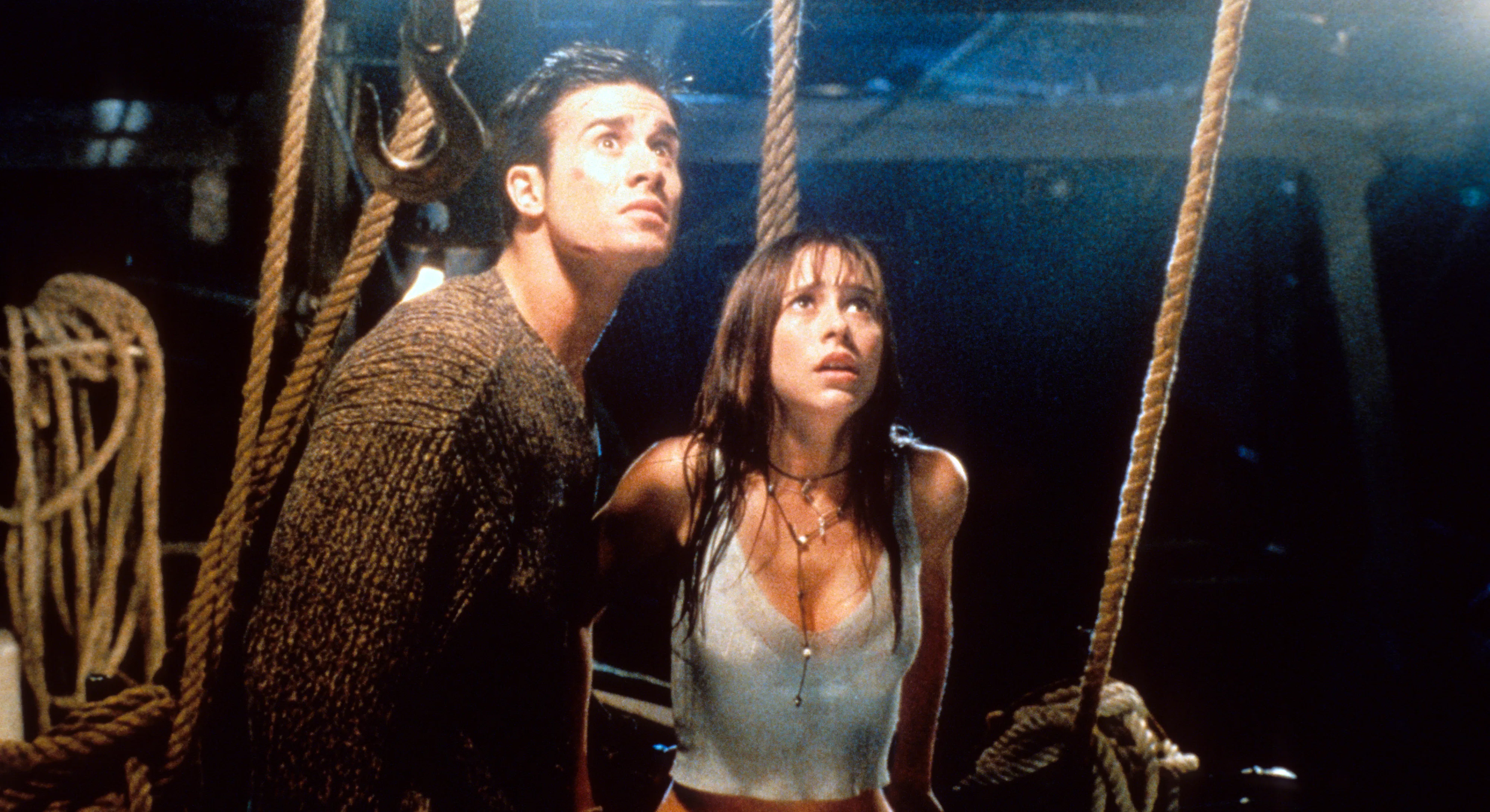
Several scenes from I Know What You Did Last Summer became instantly recognizable symbols of '90s horror, embedding themselves into pop culture lexicon. The boat explosion, in which the killer, Billy Loop (played by Freddie Prinze Jr.), is seemingly killed but returns to exact revenge, became one of the most iconic moments in slasher history. The scene’s slow-motion explosion, set to the song "I Know What You Did Last Summer" by the band The Dude, created a visual and auditory shorthand for the genre. Similarly, the film’s opening sequence, where the four main characters—Julie James (Jennifer Love Hewitt), Helen Shivers (Sarah Michelle Gellar), Barry William (Ryan Phillippe), and Ray Bronson (Freddie Prinze Jr.)—are shown committing a hit-and-run, establishes the film’s central premise: no crime goes unpunished.
The "I know what you did last summer" tagline, delivered in the film’s climax, became a cultural catchphrase, often referenced in memes, parodies, and even legal contexts. The phrase encapsulated the film’s core theme: the inescapability of guilt. This concept was further amplified by the film’s marketing, which played on the idea of audiences feeling complicit in the characters’ fates. The use of fake "missing person" posters in college campuses created a sense of real-world urgency, blurring the line between fiction and reality—a tactic later adopted by films like The Blair Witch Project (1999).
Timeline of Pop Culture References and Homages
The cultural ripple effects of I Know What You Did Last Summer extended across decades, influencing television, music, and internet culture. Below is a chronological breakdown of key references and homages:
- 1998–2000: Immediate Sequels and Parodies The film’s success spawned two direct sequels, I Still Know What You Did Last Summer (2003) and I’ll Always Know What You Did Last Summer (2006), though neither achieved the original’s impact. Meanwhile, parodies emerged, including Scary Movie 2 (2001), which featured a scene mocking the boat explosion. The film’s influence also seeped into television, with Buffy the Vampire Slayer (Season 3, 1998) referencing the "killer from the past" trope in its episode "The Wish."
- 2005–2010: Internet Memes and Viral Culture The film’s tagline and scenes became staples of early internet humor. Memes featuring the "I know what you did" phrase appeared on forums like 4chan and LiveJournal, often used to shame or joke about past misdeeds. The boat explosion scene was frequently remixed, with users altering the explosion to fit modern contexts, such as political scandals or viral fails.
- 2010–2015: Nostalgia-Driven Revivals and Spin-Offs The film’s legacy resurfaced with the release of The Final Girl (2015), a meta-commentary on slasher tropes that paid homage to the original. Television shows like American Horror Story: Asylum (Season 2, 2013) and Riverdale (2017) incorporated elements of the "killer from the past" narrative, reinforcing the trope’s staying power. Music also drew inspiration, with bands like The Chats referencing the film’s title in their song "I Know What You Did Last Summer" (2017).
- 2016–Present: Streaming Era and Modern Homages The film’s availability on streaming platforms like Netflix and Shudder ensured its continued relevance. Modern horror films such as Happy Death Day (2017) and Ready or Not (2019) borrowed from its structure, while YouTube creators and TikTok users frequently revisited its scenes in reaction videos and edits. The phrase "I know what you did" remains a shorthand in online communities for accountability and guilt.
Comparative Analysis of Sequels and Spin-Offs
While I Know What You Did Last Summer remains the gold standard for the franchise, its sequels and spin-offs offer insights into the evolution—and decline—of the slasher genre. Below is a comparative table highlighting key differences in box office performance, cultural reception, and narrative choices:
| Title | Release Year | Box Office (Worldwide) | Cultural Reception and Key Differences | |||
|---|---|---|---|---|---|---|
| I Still Know What You Did | 2003 | $28.5 million |
Received mixed reviews for its weaker script and reliance on nostalgia. Unlike the original, which focused on psychological tension, this sequel leaned into campy humor and over-the-top gore. The killer, now a vengeful spirit, lacked the personal connection of Billy Loop.Behind-the-Scenes: Production Secrets and Filmmaking Techniques of I Know What You Did Last Summer (1997) The 1997 original I Know What You Did Last Summer was not just a product of creative storytelling but also a result of meticulous production strategies that shaped its iconic status. Filmed in the humid, coastal landscapes of North Carolina, the production faced logistical hurdles, from unpredictable weather to the deliberate use of practical effects that grounded the film’s eerie realism. Unlike later slasher films that relied heavily on CGI, director Jim Gillespie and his team prioritized tangible, hands-on techniques—such as the infamous boat explosion—to create visceral tension. Meanwhile, the casting of Jennifer Love Hewitt and Freddie Prinze Jr. as relatable protagonists reflected the film’s exploration of guilt and moral consequences, a theme reinforced by Harry Manfredini’s haunting score. Behind the scenes, unused scenes and alternate endings reveal how the film’s narrative was refined, while Gillespie’s unconventional approach to shooting in chronological order added a layer of authenticity rarely seen in horror productions. Filming Challenges: Weather, Locations, and Logistical HurdlesShooting I Know What You Did Last Summer in the natural, untamed beauty of North Carolina’s coastal areas—particularly in and around Wilmington—posed significant challenges that tested the crew’s adaptability. The filmmakers sought locations that embodied the film’s themes of isolation, nature’s indifference, and the weight of guilt, but the region’s unpredictable weather became a formidable obstacle. Heavy rains, high tides, and sudden storms frequently disrupted schedules, forcing the production to delay scenes involving water-based sequences. The infamous boat explosion, for instance, required multiple reshoots due to unfavorable conditions, with the crew scrambling to capture the shot before the tide shifted or the wind intensified. Beyond weather, the remote locations presented practical difficulties. Many scenes were filmed in secluded areas with limited access, requiring the crew to transport equipment and cast via boats or rugged terrain. The decision to shoot in these natural settings was intentional—Gillespie wanted the audience to feel the characters’ vulnerability in an environment that mirrored their psychological turmoil. However, the isolation also meant that the crew had to be self-sufficient, often working with minimal backup support. This autonomy, while challenging, contributed to the film’s raw, immersive atmosphere, as the cast and crew became intimately familiar with the landscapes that would later haunt the characters.Practical Effects: The Art of Low-Tech HorrorIn an era where CGI was becoming increasingly dominant, I Know What You Did Last Summer stood out for its reliance on practical effects, a choice that enhanced the film’s gritty, grounded tone. The most celebrated example of this approach is the boat explosion sequence, a moment that remains one of the most memorable in slasher cinema. The explosion was achieved through a combination of pyrotechnics and careful staging. A small boat was rigged with explosives, and the crew filmed the detonation from a safe distance using high-speed cameras to capture the fiery debris in sharp detail. The resulting footage was then edited with slow-motion effects to amplify the impact. This method not only created a visceral spectacle but also avoided the uncanny valley effect that often plagued early CGI animations. Other practical effects included the killer’s shadowy appearances, achieved through clever lighting and silhouette techniques rather than digital manipulation. The film’s makeup effects, such as the decaying corpse in the marsh, were crafted using prosthetics and special makeup applied directly to actors or mannequins. Even the killer’s eerie, distorted face—revealed only partially—was created using a combination of latex masks and practical camera angles to heighten the mystery. These techniques required extensive planning and coordination, but they paid off by delivering effects that felt tangible and unsettling, rather than artificially enhanced.Unused Scenes and Cut Content: The Lost Subplots and Alternate EndingsThe final cut of I Know What You Did Last Summer underwent significant revisions, with several scenes and subplots excised during post-production. One notable omission was the hitchhiker subplot, which originally introduced a secondary character—a mysterious, ominous figure who picked up one of the protagonists early in the film. This character was intended to serve as a red herring, hinting at the killer’s presence before the full reveal. However, the subplot was cut due to time constraints and concerns that it diluted the focus on the main characters’ guilt. The hitchhiker’s role was later repurposed into the film’s eerie atmosphere, with his absence leaving audiences to question whether they were being watched. Another discarded element was an alternate ending that explored a darker, more ambiguous conclusion. In this version, the killer—revealed to be Helen’s brother, Barry—was allowed to escape at the end, leaving the characters’ fates uncertain. This ending was intended to emphasize the cyclical nature of violence and the inescapability of guilt, but test screenings suggested that audiences preferred a more definitive resolution. The final ending, where the killer is killed by a train, was seen as a more satisfying closure, though it also introduced the iconic tagline: "You’ll never know what they did last summer." Additionally, early script drafts included a more extensive backstory for the killer, detailing his psychological breakdown after witnessing the accident. These scenes were trimmed to maintain pacing and focus on the present-day consequences of the characters’ actions. The decision to keep the killer’s motive ambiguous until the final act added to the film’s suspense, making his identity a central mystery.Jim Gillespie’s Directorial Choices and Chronological ShootingDirector Jim Gillespie made several unconventional decisions during the production of I Know What You Did Last Summer that set it apart from traditional horror filmmaking. One of the most notable was his insistence on shooting the film in chronological order, a rarity in the genre where out-of-sequence filming is more common for logistical reasons. Gillespie believed that maintaining the narrative’s linear progression would enhance the film’s realism and emotional impact, allowing the cast to fully immerse themselves in the story’s escalating tension. > "Shooting in order wasn’t just about authenticity—it was about preserving the characters’ fear. If you jump around, the actors lose the sense of dread that builds naturally. We wanted the audience to feel like they were living through it with the characters, not just watching a series of events." > —Jim Gillespie, Behind-the-Scenes Interview, 1997 This approach also influenced the film’s pacing, creating a sense of inevitability as the characters’ guilt manifested in increasingly disturbing ways. Unlike many horror films that rely on flashbacks or non-linear storytelling to build suspense, I Know What You Did Last Summer allowed the tension to simmer and grow organically. Gillespie’s method required careful planning, as each scene had to be shot with the knowledge of what came next, but the result was a cohesive, atmospheric experience that felt uniquely personal.The Casting Process: Choosing Everyman ProtagonistsThe casting of Jennifer Love Hewitt and Freddie Prinze Jr. as the film’s leads was a deliberate choice to ground the story in relatability. Gillespie and the producers sought actors who could embody the "everyman" archetype, characters whose flaws and moral dilemmas would resonate with audiences. Hewitt, then relatively unknown, was cast as Julie James, a character whose guilt over the accident drives much of the plot. Her casting was partly due to her ability to convey vulnerability and determination, qualities essential for a protagonist facing both external and internal threats. Freddie Prinze Jr., who had gained recognition from his role in Senseless (1998), was chosen for his ability to portray Barry’s conflicted morality. The producers were drawn to his boyish charm, which contrasted sharply with the darker themes of the film. This juxtaposition allowed audiences to sympathize with Barry even as his actions became increasingly sinister. The casting of Ryan Phillippe and Sarah Michelle Gellar as the other two protagonists further reinforced the film’s focus on young adults grappling with the consequences of their actions, making the story feel like a cautionary tale for a specific demographic. The decision to cast lesser-known actors also aligned with the film’s marketing strategy, positioning it as a fresh, youth-driven horror experience rather than a franchise built on established stars. This approach paid off, as the cast’s chemistry and the characters’ authenticity became central to the film’s success.The Score: Building Tension Through Leitmotifs and Sound DesignHarry Manfredini’s score for I Know What You Did Last Summer played a crucial role in establishing the film’s eerie, paranoid atmosphere. Unlike traditional horror scores that rely on jarring stings or orchestral crescendos, Manfredini crafted a more subtle, psychological approach, using leitmotifs to signal the presence of the killer and the characters’ growing dread. The most recognizable motif is the haunting, synth-driven melody that accompanies the killer’s movements, often played in minor keys to evoke unease. This theme was designed to be indistinct yet memorable, lingering in the audience’s mind as the tension mounted. Manfredini’s process involved extensive collaboration with the director to ensure the score aligned with the film’s pacing. For example, the score would swell during scenesThemes and Symbolism: Guilt, Fate, and the '90s Coming-of-Age Experience in I Know What You Did Last Summer (1997)The 1997 slasher classic I Know What You Did Last Summer transcends its genre by embedding a complex psychological exploration of guilt, fate, and the existential dread of adolescence. Unlike conventional slashers that rely solely on suspense and gore, the film delves into the moral failings of its protagonists—Helen, Julie, Barry, and Ray—and frames their collective guilt as both a curse and a catalyst for their downfall. The film’s recurring motifs—water, fire, and the faceless killer—serve as visual metaphors for purification, destruction, and the inescapable nature of accountability. This thematic depth, coupled with its reflection of '90s teen anxieties, positions the movie as a cultural artifact of an era where consequences felt permanent, even in the absence of digital footprints. The film’s psychological resolution in its ending further redefined teen horror, shifting focus from external threats to internal torment, influencing a generation of films that prioritized moral reckoning over jump scares.Guilt as the Driving Force: Character Backstories and Moral FailingsThe film’s central premise hinges on the four friends’ shared secret: the accidental drowning of a wealthy boy, David, during a joyride. However, each character’s guilt manifests uniquely, shaped by their individual personalities and the lies they’ve constructed to absolve themselves. Helen, the most introspective, grapples with the weight of her decision to drive despite being intoxicated, a choice that directly led to David’s death. Her guilt is compounded by her lie to the police, framing the incident as a result of a mechanical failure rather than human error. Scenes like her nightmares—where she relives David’s drowning—highlight how her subconscious refuses to let her escape the truth. The film visually reinforces her torment through water imagery; her home is filled with aquariums, symbolizing her inability to escape the past, while her eventual drowning mirrors her psychological suffocation under guilt. Julie, the most rebellious of the group, embodies denial and recklessness. Her guilt is externalized through her promiscuous behavior and defiance of authority, as if she believes she can outrun her sins through hedonism. The film critiques this mindset when she nearly dies in a fire set by the killer—a literal manifestation of her self-destructive tendencies. Barry, the most morally ambiguous, represents the illusion of control. He lies to his girlfriend, Paige, about his involvement, believing he can manipulate the narrative to avoid blame. His downfall comes when the killer forces him to confront his lies, culminating in his gruesome death by a chainsaw—a tool that symbolizes the brutal consequences of his deceit. Ray, the only one who initially confesses to the police, becomes a scapegoat for the group’s collective guilt. His eventual fate—being killed by the killer—serves as a dark irony, as his honesty makes him the most vulnerable. The film’s script, written by Drew Goddard (later known for The Cabin in the Woods), ensures that each character’s guilt is inextricably linked to their actions, creating a web of moral failure that the killer exploits. Unlike traditional slashers where the victim is often a "final girl" defined by purity, I Know What You Did Last Summer presents its protagonists as flawed individuals whose downfalls are a direct result of their inability to confront their past. This approach aligns with the psychological horror trends of the '90s, where internal conflict became as terrifying as external threats.Symbolic Motifs: Water, Fire, and the Faceless KillerThe film’s recurring symbols are not merely aesthetic choices but deliberate extensions of its themes, each serving as a visual shorthand for the characters’ psychological states. Water dominates the film’s visual language, representing both cleansing and drowning. The opening scene—where David’s body is dragged into the ocean—establishes water as the site of the original sin. Later, Helen’s home is filled with aquariums, suggesting she is trapped in a cycle of guilt she cannot escape. The killer’s attacks often occur near water—whether it’s Julie’s near-drowning in the lake or Helen’s final fate—reinforcing the idea that water is the medium through which guilt manifests physically. The film’s climax, where Helen is dragged into the ocean, can be read as her final purification, a literal drowning of her sins. However, the ambiguity of her survival (or death) leaves her fate—and her guilt—hanging, mirroring the unresolved nature of moral reckoning. Fire serves as a dual symbol of destruction and revelation. The killer’s use of fire—such as the arson that traps Julie in a burning car—mirrors the destructive consequences of her actions. Fire also acts as a catalyst for truth, as seen when Barry’s lies are exposed through the flames consuming his home. The film’s script treats fire as an inescapable force, much like guilt itself. In the '90s, fire was a common metaphor in teen horror (e.g., The Craft’s use of fire in rituals), but I Know What You Did Last Summer elevates it to represent the inescapable nature of consequences, whether physical or moral. The faceless killer, often referred to as "The Fisherman," embodies the anonymity of guilt and the inescapable nature of fate. The killer’s mask—initially a simple fisherman’s net—evolves into a more sinister, featureless visage, symbolizing how guilt distorts perception. The killer’s voice is never heard, reinforcing the idea that the characters are being punished by an internalized force rather than an external one. This anonymity also reflects the '90s fear of nameless, faceless judgment, whether from societal expectations or personal conscience. The killer’s presence is both supernatural and psychological, blurring the line between a real threat and the characters’ subconscious torment.'90s Teen Anxieties: Driving, Peer Pressure, and the Fear of Permanent ConsequencesI Know What You Did Last Summer resonates deeply with the cultural anxieties of the late '90s, particularly the precarious nature of teenage freedom and the fear of irreversible mistakes. The film’s opening scene—a joyride that ends in tragedy—taps into the rise of teen driving culture, where newfound independence often collided with reckless behavior. In 1997, teen drivers were a major public health concern, with the U.S. seeing an average of 7,000 fatalities annually due to inexperienced drivers (NHTSA data). The film’s portrayal of Helen’s drunk driving mirrors real-world statistics: 31% of teen drivers involved in fatal crashes had been drinking (CDC, 1998). By making the accident a direct result of Helen’s impaired judgment, the film forces audiences to confront the real-world stakes of teen recklessness. Peer pressure and social isolation are also central themes. The four friends’ bond is built on secrecy and shared guilt, reflecting the '90s phenomenon of cliques and the pressure to conform. Unlike today’s era of social media, where mistakes can be documented and spread instantly, the '90s relied on rumors and small-town gossip—a slower but no less damaging form of exposure. The film’s small-town setting amplifies this fear; there is no escaping the past when everyone knows your secrets. Julie’s promiscuity, for example, is not just a personal failing but a public scandal, one that the killer exploits to humiliate her. This reflects the '90s teen experience, where reputation was fragile and one mistake could define your entire social standing. The fear of permanent consequences is another defining anxiety of the era. Without the internet’s digital footprint, teens of the '90s lived in a world where secrets could resurface in unexpected ways, often with devastating results. The film’s premise—that a decades-old crime can resurface—plays on this fear. Unlike modern audiences, who are accustomed to viral shaming or digital archives, '90s teens feared oral histories and forgotten evidence coming back to haunt them. The killer’s ability to track them down using old newspaper clippings and police records underscores this theme, suggesting that some sins are eternal.Comparative Analysis: I Know What You Did Last Summer and Other '90s Horror ClassicsWhile I Know What You Did Last Summer shares DNA with other '90s horror films, its exploration of guilt and fate distinguishes it from contemporaries like Scream, The Craft, and Urban Legend. Below is a comparative analysis of how each film approaches morality and fate, highlighting their thematic differences.
|
Leave a Comment
Comments are moderated before appearing. The data you submit is processed according to the Privacy Policy of Littlepoolco.