What Is Srs Surgery Explained Clearly Today
Sex Reassignment Surgery remains one of medicine’s most transformative yet misunderstood procedures aiding transgender and gender-diverse individuals in aligning their bodies with their identities. Beyond surgical techniques, SRS reflects decades of medical evolution, ethical debates, and societal shifts that have redefined gender-affirming care globally. From early 20th-century experiments to today’s evidence-based practices, this intervention bridges physical and psychological well-being for those navigating gender transition.
Contrary to misconceptions, SRS is not a cosmetic elective but a critical component of gender-affirming healthcare endorsed by organizations like the World Professional Association for Transgender Health (WPATH). Procedures range from feminizing vaginoplasty to masculinizing phalloplasty, each tailored to individual needs with recovery timelines spanning months. Data from the WHO indicates a rising demand, particularly among younger adults, as legal protections and medical access expand—yet disparities persist across regions, revealing gaps in healthcare equity.

Understanding Sex Reassignment Surgery (SRS): Definition, Purpose, and Historical Foundations
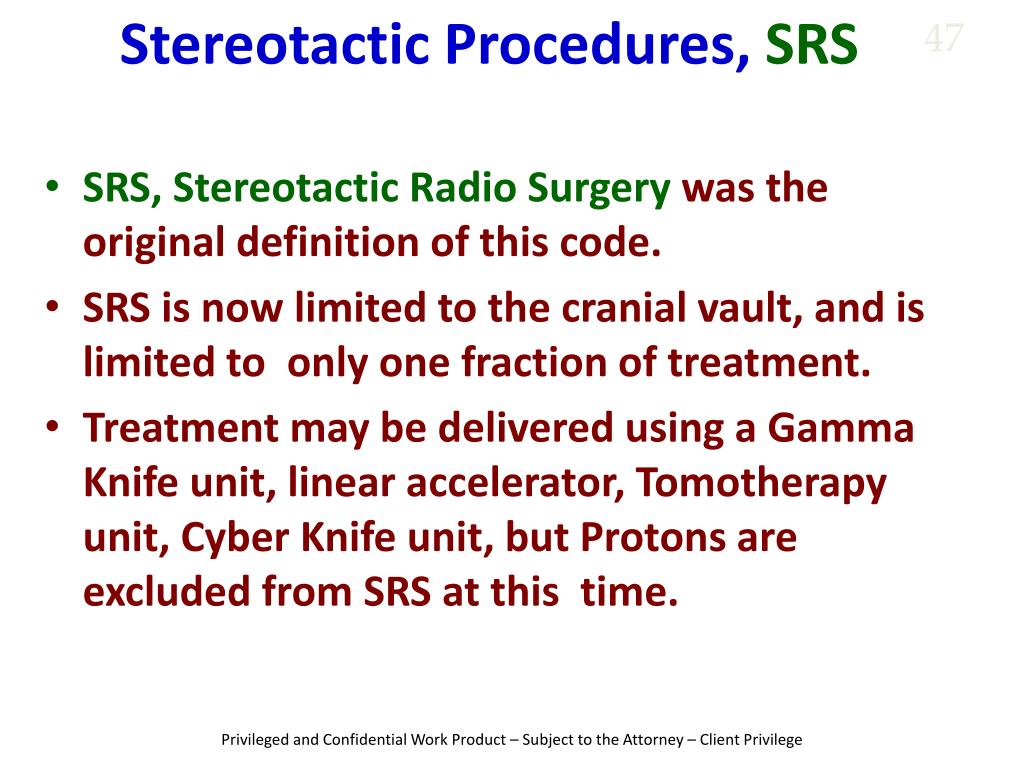
Sex Reassignment Surgery (SRS), officially recognized in medical terminology as Gender-Affirming Surgery (GAS) or Gender Confirmation Surgery (GCS), represents a life-altering medical intervention designed to align an individual’s physical anatomy with their gender identity. Unlike cosmetic procedures, SRS is a medically necessary, gender-affirming treatment grounded in psychological, hormonal, and surgical interventions to address gender dysphoria—a condition characterized by distress arising from the incongruence between a person’s assigned sex and their experienced gender. This surgery is not elective in the traditional sense; it is a clinical pathway endorsed by global health organizations, including the World Health Organization (WHO) and the World Professional Association for Transgender Health (WPATH), to improve mental health outcomes and quality of life for transgender and gender-diverse individuals.
The term Sex Reassignment Surgery has evolved over decades, reflecting shifts in medical, ethical, and cultural understanding. Historically, the procedure was framed within a binary framework, emphasizing the "reassignment" of sex characteristics. However, modern terminology—such as gender-affirming surgery—better captures the spectrum of identities beyond the male-female binary and emphasizes affirmation rather than reassignment. This linguistic evolution underscores a broader movement toward patient-centered care, where terminology aligns with the lived experiences of transgender individuals. Below, the foundational aspects of SRS are explored, including its purpose, historical trajectory, and global variations in terminology and practice.
Medical Definition and Official Terminology of SRS
SRS encompasses a range of surgical procedures aimed at modifying primary and secondary sexual characteristics to achieve congruence with an individual’s gender identity. These procedures may include: - Genital Surgery (e.g., vaginoplasty, phalloplasty, metoidioplasty): Reconstruction of genitalia to match the desired gender. - Chest Surgery (e.g., mastectomy, top surgery): Removal of breast tissue for transgender men or breast augmentation for transgender women. - Facial Feminization/Masculinization Surgery (FFS/MFS): Sculpting facial features to align with gender identity. - Hair Transplantation: Addressing hair loss or redistribution related to gender transition. - Voice and Speech Therapy: Often integrated with surgical interventions for holistic gender affirmation.
The official medical terminology varies by region, with terms like gender reassignment surgery (GRS) in the UK, sex reassignment surgery (SRS) in the U.S., and gender confirmation surgery (GCS) in Australia and Canada. These variations reflect cultural and legal contexts, where terms like "reassignment" may carry outdated connotations of transitioning from one fixed sex to another, whereas "confirmation" or "affirmation" emphasizes the validation of an individual’s existing identity. The WHO’s International Classification of Diseases (ICD-11) now uses gender incongruence instead of gender identity disorder, further distancing the medical community from pathologizing language.
Table of Contents
- Understanding Sex Reassignment Surgery (SRS): Definition, Purpose, and Historical Foundations
- Medical Definition and Official Terminology of SRS
- Primary Purpose of SRS in Gender-Affirming Care
- Historical Context and Milestones in SRS Development
- Global Variations in SRS Terminology and Cultural Perceptions
- Types of Sex Reassignment Surgery (SRS) Procedures: Surgical Options and Specializations
- Feminizing Genital Surgery: Vaginoplasty and Related Procedures
- Masculinizing Genital Surgery: Phalloplasty and Metoidioplasty
- Chest Surgery: Feminization and Masculinization
Primary Purpose of SRS in Gender-Affirming Care
The core purpose of SRS is to alleviate gender dysphoria and improve mental health by reducing the distress caused by physical traits that do not align with an individual’s gender identity. Research published in The Lancet (2017) demonstrates that gender-affirming surgeries significantly reduce rates of depression, suicide ideation, and anxiety among transgender individuals. For example, a study by the UCLA School of Medicine found that transgender individuals who underwent gender-affirming surgeries reported improved body image, self-esteem, and social functioning, with 78% experiencing relief from gender dysphoria post-surgery.
SRS is distinct from cosmetic surgery in several critical ways: - Medical Necessity: It is classified as a treatment for gender dysphoria under the Diagnostic and Statistical Manual of Mental Disorders (DSM-5), requiring psychological evaluation and informed consent. - Multidisciplinary Approach: Patients undergo hormone therapy, mental health counseling, and social transition before surgery, as outlined in WPATH’s Standards of Care (SOC) Version 8. - Long-Term Health Benefits: Beyond psychological relief, SRS can reduce risks associated with untreated gender dysphoria, such as substance abuse, self-harm, and social isolation.
Unlike cosmetic procedures, SRS is not performed for aesthetic preferences but is a clinically validated intervention to address a diagnosed condition. The American Medical Association (AMA) and American Psychological Association (APA) both affirm that denying access to SRS for eligible patients constitutes discrimination and a violation of medical ethics.
Historical Context and Milestones in SRS Development
The evolution of SRS is a testament to the interplay between medical innovation, activism, and societal change. Key milestones include:
- Early 20th Century (1900s–1950s): The first documented genital surgeries for transgender individuals were performed in Germany and Sweden, often on intersex or gender-nonconforming patients. However, these procedures were not widely recognized as gender-affirming and were frequently conducted without patient consent. - 1950s–1960s: Dr. Christian Hamburger in Denmark and Dr. Harry Benjamin in the U.S. pioneered hormone therapy for transgender individuals, laying the groundwork for modern gender-affirming care. Benjamin’s work, detailed in The Transsexual Phenomenon (1966), was instrumental in legitimizing transgender healthcare. - 1970s–1980s: Dr. Georges Burou in Casablanca developed vaginoplasty techniques that became the gold standard for female-to-male (FTM) transition surgeries. Meanwhile, activists like Virginia Prince and Marsha P. Johnson advocated for transgender rights, challenging medical gatekeeping. - 1990s: The Harry Benjamin International Gender Dysphoria Association (HBIGDA), precursor to WPATH, established ethical guidelines for SRS, including mandatory psychological evaluations. This decade also saw the first legal recognition of gender transitions in countries like Argentina (1998). - 2000s–Present: The WHO removed gender identity disorder from its list of mental illnesses (2019), and Malta became the first country to legally require gender-affirming surgeries to be covered by public healthcare (2015). Advances in phalloplasty techniques and scarless vaginoplasty have further improved outcomes.
The historical trajectory of SRS reflects both progress and backlash, with periods of medicalization followed by activist-led reforms. For instance, the 1979 Harris v. McRae case in the U.S. denied Medicaid coverage for SRS, setting back access for decades. However, the 2013 U.S. Department of Health and Human Services (HHS) ruling classified gender dysphoria as a pre-existing condition, expanding insurance coverage.
Global Variations in SRS Terminology and Cultural Perceptions
Terminology surrounding SRS varies significantly across regions, influenced by legal frameworks, cultural attitudes, and medical traditions. Below is a comparative table highlighting these differences:
| Region | Preferred Terminology | Legal/Healthcare Context | Cultural Perceptions | Key Challenges | |||||||||||||||||||||||
|---|---|---|---|---|---|---|---|---|---|---|---|---|---|---|---|---|---|---|---|---|---|---|---|---|---|---|---|
| United States | Gender-Affirming Surgery (GAS) / Sex Reassignment Surgery (SRS) | Covered under the Affordable Care Act (ACA) for some insurers; varies by state (e.g., bans in Tennessee, Florida). | Highly politicized; mixed public opinion due to religious and conservative opposition. | Insurance denials, long waitlists, and lack of standardized protocols. | |||||||||||||||||||||||
| United Kingdom | Gender Reassignment Surgery (GRS) | Legally protected under the Gender Recognition Act (2004); NHS covers GRS but with long waitlists (up to 5 years). | Gradual acceptance; media portrayal often focuses on "transitioning" rather than identity affirmation. | Centralized NHS system leads to delays; post-operative care inconsistencies. | |||||||||||||||||||||||
| Australia | Gender Confirmation Surgery (GCS) | Covered under Medicare for eligible patients; state-based variations in access. | Progressive legal recognition (e.g., "X" gender marker in passports); growing acceptance in urban areas. |
| Metric | Radial Forearm Flap (RFF) | Anterolateral Thigh (ALT) Flap |
|---|---|---|
| Success Rate (Functional Phallus) | 85–95% | 80–90% |
| Sensation | High (preserved nerve endings) | Moderate (variable nerve regeneration) |
| Erectile Function | Possible with implants (e.g., inflatable or malleable) | Possible with implants, but less common |
| Donor-Site Morbidity | Forearm scarring, limited grip strength | Thigh scarring, minimal functional impact |
| Recovery Time (Full Function) | 12–24 months | 12–18 months |
| Revision Rate (First 2 Years) | 15–25% | 10–20% |
| Cost (Approximate, USD) | $50,000–$100,000 | $60,000–$120,000 |
Emerging Trends
Chest Surgery: Feminization and Masculinization
Chest surgery, whether mastectomy (for masculinization) or breast augmentation (for feminization), is among the most common gender-affirming procedures. These surgeries address secondary sexual characteristics, significantly impacting body dysphoria and self-perception. Feminizing Chest Surgery (Breast Augmentation)
Sex Reassignment Surgery stands at the intersection of medical innovation and human rights, offering life-altering outcomes for those seeking bodily autonomy. While advancements in techniques—from minimally invasive methods to 3D-printed implants—continue to improve safety and customization, the journey remains deeply personal, requiring rigorous pre-operative evaluations and post-operative support. As societal acceptance grows, so does the urgency to address systemic barriers, ensuring equitable access to care that respects individual dignity and health.
Leave a Comment
Comments are moderated before appearing. The data you submit is processed according to the Privacy Policy of Littlepoolco.