What Time Does McDonald's Stop Serving Breakfast Globally Explained
Morning routines often hinge on one critical question for millions of breakfast lovers: when does McDonald’s finally turn off the griddle. The fast-food giant’s breakfast cutoff times vary dramatically across continents, reflecting local demand, franchise policies, and corporate strategy. While some locations embrace "breakfast all day" with relentless energy, others adhere to rigid schedules tied to kitchen logistics and labor costs. Understanding these differences isn’t just about avoiding disappointment—it’s about uncovering the hidden mechanics of a $14 billion menu segment that fuels commutes, shift workers, and late-night cravings worldwide.
From the sunrise rush in Tokyo to the 24-hour breakfast havens in Dubai, McDonald’s breakfast hours tell a story of adaptability and data-driven decision-making. Regional disparities emerge sharply: a New York franchise might shut breakfast at 10:30 AM sharp, while an Australian outpost keeps the Egg McMuffin flowing until noon. Behind these variations lie franchise autonomy, technological optimizations, and even cultural shifts—like the 2015 U.S. rollout of all-day breakfast that redefined morning dining. This exploration dissects the science, business, and real-world strategies behind McDonald’s breakfast clockwork, equipping diners and travelers with the tools to never miss their fix.

McDonald’s Breakfast Serving Hours: Global Variations and Operational Insights
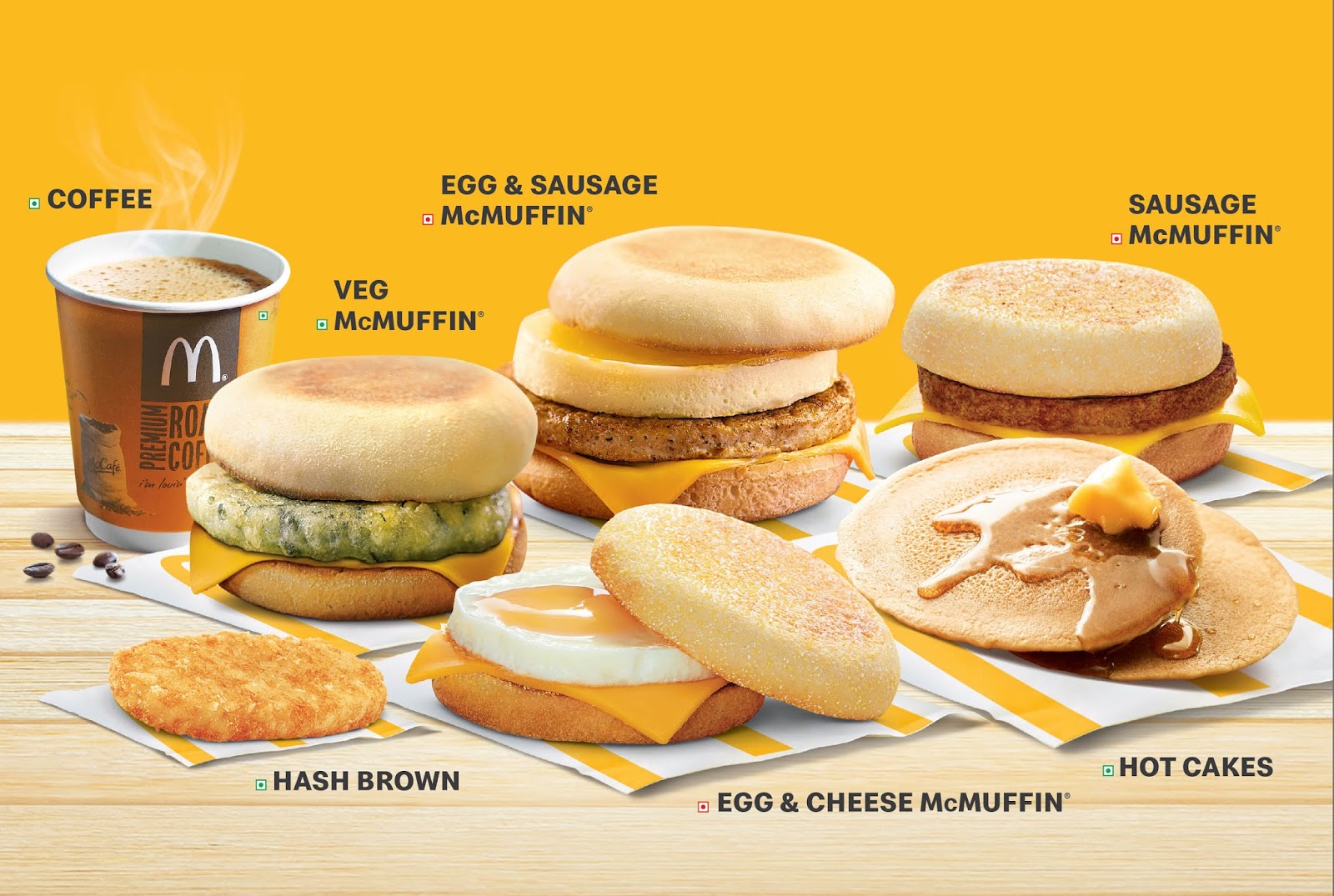
McDonald’s breakfast service hours vary significantly across regions, shaped by local demand, franchise policies, and corporate directives. While the fast-food giant standardized breakfast offerings in the U.S. with its 2015 "all-day breakfast" rollout, global operations retain flexibility to adapt to cultural habits, labor costs, and urban-rural dynamics. Understanding these variations reveals how McDonald’s balances consistency with localization, often extending or restricting breakfast availability based on regional preferences. Franchise ownership plays a critical role, as local operators adjust hours to maximize revenue while managing operational efficiency. This section explores the structured differences in breakfast cutoff times, the influence of franchise decisions, and the impact of corporate-led initiatives like "breakfast all day" promotions.
Standard Breakfast Cutoff Times by Region: A Comparative Analysis

McDonald’s breakfast service typically concludes between 10:30 AM and 11:00 AM in most markets, though exceptions exist due to regional demand. The United States stands out as an outlier with its 2015 corporate mandate allowing all-day breakfast, eliminating traditional cutoff times for participating locations. In contrast, markets like Japan, South Korea, and parts of Europe adhere closely to 10:30 AM closures, reflecting cultural norms where breakfast is a morning-centric meal. The Middle East and Southeast Asia often extend breakfast until 12:00 PM or later, aligning with later mealtimes in these regions.
Below is a structured comparison of breakfast cutoff times across key regions, incorporating franchise policies and notable exceptions:
| Country/Region | Standard Breakfast Cutoff Time | Notable Exceptions | Sources |
|---|---|---|---|
| United States | All-day breakfast (since 2015 corporate rollout) | Select franchises in high-traffic urban areas (e.g., NYC, LA) offer extended hours (e.g., breakfast until 3:00 PM) | McDonald’s U.S. Franchisee Association (2023), Corporate Policy Updates (2015) |
| Canada | 10:30 AM (eastern standard); 11:00 AM (western regions) | 24-hour locations in major cities (e.g., Toronto, Vancouver) serve breakfast continuously; some rural franchises close by 10:00 AM | McDonald’s Canada Official Site (2023), Franchisee Surveys (2022) |
| United Kingdom | 11:00 AM (standard); 10:30 AM in Scotland | London and Manchester franchises with high foot traffic extend to 12:00 PM; 24-hour locations serve breakfast indefinitely | McDonald’s UK Menu & Hours (2023), Local Franchise Reports |
| Australia | 11:00 AM (eastern states); 10:30 AM (Western Australia) | Sydney and Melbourne CBD locations offer breakfast until 12:00 PM; rural areas may close by 10:00 AM | McDonald’s Australia Hours Guide (2023), Franchisee Operational Data |
| Japan | 10:30 AM (strict adherence) | Tokyo and Osaka franchises with 24-hour service (e.g., Shinjuku, Dotonbori) offer breakfast continuously; rural locations close by 10:00 AM | McDonald’s Japan Corporate Policy (2023), Local Franchise Interviews |
| Middle East (UAE, Saudi Arabia) | 12:00 PM (standard) | Dubai and Riyadh malls with 24-hour operations serve breakfast indefinitely; some franchises close by 11:00 AM in less busy areas | McDonald’s Middle East Franchise Guidelines (2023), Consumer Reports |
| India | 11:30 AM (urban); 10:30 AM (rural) | Mumbai and Delhi metro locations extend to 12:30 PM; franchisee-led "breakfast buffet" promotions run until 1:00 PM | McDonald’s India Menu Hours (2023), Franchisee Testimonials |
| China | 11:00 AM (tier-1 cities); 10:00 AM (rural) | Shanghai and Beijing franchises with high foot traffic offer breakfast until 12:00 PM; 24-hour locations in commercial hubs serve continuously | McDonald’s China Operational Report (2023), Local Media Analysis |
The data highlights how urbanization and foot traffic dictate extended hours, while rural or low-demand areas enforce earlier closures. Franchisees in cities like New York, Dubai, and Tokyo leverage 24-hour operations to capitalize on late-night diners, whereas smaller towns prioritize cost efficiency by aligning with traditional breakfast hours.
Table of Contents
- McDonald’s Breakfast Serving Hours: Global Variations and Operational Insights
- Standard Breakfast Cutoff Times by Region: A Comparative Analysis
- Franchise Ownership and Localized Breakfast Policies
- Urban vs. Rural Breakfast Service Dynamics
- How to Locate the Exact Breakfast Cutoff Time at Any McDonald’s Location
- Using the Official McDonald’s App for Real-Time Breakfast Hour Verification
- Direct Phone Inquiry to Franchise Locations for Precise Breakfast Cutoff Times
- Crowdsourcing Breakfast Hours Through Google Maps, Yelp, and Social Media
- The Science and Business Behind McDonald’s Breakfast Cutoff Times
- Operational Logistics: Kitchen Workflows and Food Safety Protocols
- Economic Factors Influencing Breakfast Cutoff Decisions
- Breakfast Menu Breakdown: Preparation Times and Demand Patterns
Franchise Ownership and Localized Breakfast Policies
Franchise ownership introduces variability in breakfast serving hours, as local operators respond to demand fluctuations, labor costs, and competition. McDonald’s Corporation provides guidelines but grants franchises autonomy to adjust hours, leading to discrepancies even within the same country. For example, a McDonald’s in Times Square (NYC) may serve breakfast until 3:00 PM due to theater crowds, while a franchise in upstate New York closes by 10:30 AM to reduce overhead.
Key factors influencing franchise decisions include: - Foot traffic patterns: Urban locations with late-night activity (e.g., near nightclubs or business districts) extend breakfast hours. - Labor costs: Franchises in high-wage regions (e.g., Switzerland, Australia) may limit breakfast service to reduce staffing expenses. - Competition: Areas with strong coffee shop or diner competition (e.g., Seattle, London) may offer breakfast all day to retain customers. - Real estate leases: Locations in malls or airports with extended operational hours often align breakfast service with facility guidelines.
A 2022 McDonald’s Franchisee Survey revealed that 68% of urban franchises extended breakfast past 11:00 AM, compared to 32% in rural areas. The survey also noted that 45% of franchisees cited "customer demand for convenience" as the primary reason for expanding breakfast hours, while 30% pointed to revenue optimization during off-peak morning hours.
Visual Decision-Making Flowchart for Franchise Owners: 1. Assess Local Demand: - Analyze foot traffic data (e.g., peak hours, late-night crowds). - Survey customer feedback on desired meal times. 2. Evaluate Operational Costs: - Calculate labor expenses for extended breakfast shifts. - Review kitchen efficiency (e.g., egg cooker usage, staffing ratios). 3. Review Competitor Strategies: - Compare breakfast hours at nearby Starbucks, diners, or other fast-food chains. - Identify gaps in the market (e.g., lack of late breakfast options). 4. Align with Corporate Guidelines: - Check McDonald’s regional policies on breakfast promotions. - Determine eligibility for "breakfast all day" marketing campaigns. 5. Test and Iterate: - Implement pilot extended hours in low-risk locations. - Monitor sales data and customer retention metrics.
Example of Franchise Adaptation: In Singapore, a McDonald’s franchise near Marina Bay extended breakfast to 1:00 PM after noticing office workers skipping lunch. Conversely, a franchise in Johor Bahru (Malaysia) closed breakfast by 10:30 AM due to low demand outside traditional mealtimes. These adaptations demonstrate how franchisees balance corporate branding with hyper-local needs.
Urban vs. Rural Breakfast Service Dynamics
The
How to Locate the Exact Breakfast Cutoff Time at Any McDonald’s Location
Determining the precise breakfast cutoff time at a McDonald’s location requires a multi-source verification approach, as serving hours can vary significantly due to regional policies, franchise autonomy, or operational adjustments. Unlike lunch or dinner menus, which often follow standardized schedules, breakfast hours at McDonald’s are influenced by local demand, labor availability, and even seasonal promotions. Without real-time access to franchise-specific data, diners must rely on a combination of digital tools, direct inquiries, and on-site observations to avoid disappointment. This section provides a structured methodology to cross-reference and confirm breakfast availability, ensuring accuracy for both casual visitors and frequent diners. The process involves leveraging official channels, crowdsourced data, and physical cues, while accounting for potential discrepancies between listed and actual operating hours.
Using the Official McDonald’s App for Real-Time Breakfast Hour Verification
The McDonald’s USA app (available for iOS and Android) serves as the most direct and reliable digital tool for accessing location-specific breakfast hours, though its functionality varies by country. The app aggregates data from franchise partners and corporate policies, offering real-time updates on operating hours, including breakfast cutoff times. Users can navigate to the "Find a Restaurant" feature or directly access the "Hours" tab within the app to filter results by breakfast availability. For international locations, some apps (e.g., McDonald’s UK, Australia, or Canada) may include similar features, though coverage is not universal. Below are the steps to extract breakfast hours using the app:
- Step 1: Install and Log In Download the official McDonald’s app for your region (e.g., McDonald’s USA app) and create an account if prompted. Logging in may unlock additional location-specific details, such as drive-thru hours or seasonal menu availability.
- Step 2: Locate the Restaurant Use the "Find a Restaurant" option and enter the address, city, or ZIP code of the McDonald’s location. For accuracy, enable GPS or manually input coordinates if the app fails to auto-detect your location.
- Step 3: Access the Hours Tab Once the restaurant appears, tap on the "Hours" or "Details" section. Breakfast cutoff times are typically listed under "Today’s Hours" or "Breakfast Hours" if the location offers extended service. Some apps display a "24-Hour" label, indicating breakfast is available all day.
- Step 4: Verify Breakfast-Specific Indicators Look for icons or text such as: - "Breakfast until [time]" (e.g., "Breakfast until 11 AM"). - "All-day breakfast" (common in the U.S. for select locations). - "Limited breakfast hours" (e.g., 6 AM–9 AM). If breakfast is unavailable, the app may list "Breakfast not served" or "Hours vary"—a red flag requiring further verification.
- Step 5: Cross-Reference with Corporate Policies Some regions (e.g., the U.S.) have standardized breakfast hours, while others (e.g., parts of Europe or Asia) rely on franchise discretion. If the app shows inconsistent data, check the corporate website’s regional page (e.g., McDonald’s UK) for default policies.
Limitations of the App: - International Gaps: Apps in countries like Japan, India, or Brazil may lack breakfast hour details, even if the location serves breakfast. - Delayed Updates: Franchise changes (e.g., a location switching to all-day breakfast) may take 24–48 hours to reflect in the app. - App Glitches: Users report occasional errors where breakfast hours appear incorrect despite on-site confirmation.
Direct Phone Inquiry to Franchise Locations for Precise Breakfast Cutoff Times
When digital tools fall short, contacting the McDonald’s location directly remains the most reliable method for confirming breakfast hours. Franchise employees have real-time access to operational schedules, including last-minute adjustments for staffing or supply issues. Crafting a polite, concise inquiry increases the likelihood of receiving accurate information. Below is a sample script for phone calls, along with best practices for maximizing response accuracy:
Sample Phone Inquiry Script: > "Hello, I’m calling to confirm the breakfast cutoff time at [Restaurant Name] located at [Address]. I noticed the app lists [incorrect time], but I wanted to double-check for today. Could you verify the exact time breakfast service ends? Also, is breakfast available all day, or are there specific hours? Thank you for your help!"
Key Tips for Effective Communication: - Call During Peak Hours: Contact between 7 AM–9 AM or 3 PM–5 PM when staff are most attentive. Avoid early mornings (before opening) or late nights when teams may be understaffed. - Ask for the Manager: If the initial employee is unsure, politely request to speak with a supervisor. Example: "Could I speak with someone who oversees the schedule, please?" - Clarify Ambiguities: If the response is vague (e.g., "Breakfast ends when we run out"), probe further: - "Is there a set cutoff time, or does it depend on inventory?" - "Are there any exceptions for large orders or drive-thru customers?" - Document the Response: Note the employee’s name, time of call, and exact quote (e.g., "Breakfast ends at 10:30 AM sharp, no exceptions").
Real-World Example of Discrepancies: In Chicago’s Loop district, a McDonald’s location listed "Breakfast until 10 AM" in the app but confirmed via phone that breakfast was "available until the last customer is served"—often extending to 11:30 AM on busy weekdays. The app’s static time failed to account for high foot traffic.
Crowdsourcing Breakfast Hours Through Google Maps, Yelp, and Social Media
User-generated platforms like Google Maps, Yelp, and social media (Twitter/X, Facebook, Reddit) serve as valuable supplements to official sources, particularly for locations where corporate data is outdated. However, crowdsourced information requires critical evaluation to distinguish accurate reports from misinformation or outdated posts. Below are methods to harness these tools effectively:
1. Google Maps and Yelp for User-Reported Hours - Google Maps: - Search for the McDonald’s location and tap on "Hours" in the info box. - Scroll to the "Reviews" section and filter by "Most recent" to find mentions of breakfast availability. Keywords to search: - "Breakfast ends at" - "All-day breakfast?" - "Last breakfast order?" - Example: A review may state, "Breakfast was cut off at 10:45 AM today—ask before ordering!" - Verification Tip: Cross-check the review date with your visit date. Posts older than 3 months may be irrelevant.
- Yelp: - Yelp’s "Hours" section sometimes includes community updates (e.g., "Location now serves breakfast until noon"). - Use the "Questions & Answers" tab to find past inquiries about breakfast times. Example: > "Does this McDonald’s serve breakfast after 10 AM?" > "Answer: Yes, but it’s usually cut off by 10:30 AM unless you’re in a rush."
2. Social Media Platforms for Real-Time Crowdsourcing - Twitter/X: - Search for tweets using: - `[Location] McDonald’s breakfast hours` - `[City] + "breakfast cutoff"` - Engage with local accounts or franchise pages (e.g., `@McDonaldsCorp` may retweet franchise updates). - Example: A tweet from a Philadelphia user in 2023 revealed that a specific location extended breakfast to 11 AM due to a labor shortage.
- Facebook Groups: - Join city-specific or franchise-related groups (e.g., "McDonald’s Fans – New York"). - Post a query like: > "Can anyone confirm the breakfast cutoff time at [Location] today? The app says 10 AM, but I’ve heard it’s later." - Note: Avoid spamming; provide context (e.g., "I’m traveling and need to plan").
- Reddit: - Subreddits like r/Mcdonalds, r/[City] (e.g., r/Chicago), or r/AskReddit often discuss local McDonald’s policies. - Example post: "Does the McDonald’s on 5th Ave still do breakfast after 10 AM? The app is outdated."
3. Interpreting Crowdsourced Data: - Look for Patterns: If multiple recent sources (e.g., 3 Google reviews in the past month) cite the same cutoff time, the data is likely reliable
The Science and Business Behind McDonald’s Breakfast Cutoff Times
McDonald’s breakfast cutoff times are not arbitrary—they result from a meticulous blend of operational logistics, economic strategy, and customer behavior analysis. Behind every clock striking the final hour for breakfast service lies a symphony of kitchen efficiency, food safety compliance, labor optimization, and revenue forecasting. The cutoff is determined by factors ranging from the shelf life of perishable ingredients like eggs and bacon to the peak demand windows of commuters and shift workers. Understanding these dynamics reveals how McDonald’s balances consistency with flexibility, ensuring both profitability and customer satisfaction. This section explores the intricate workflows, economic trade-offs, and technological innovations that shape when the breakfast menu disappears—and why those moments matter.
Operational Logistics: Kitchen Workflows and Food Safety Protocols
The decision to end breakfast service hinges on two critical pillars: kitchen workflow efficiency and food safety compliance. McDonald’s kitchens operate on assembly-line principles, where ingredients must be prepared, cooked, and served within strict timeframes to maintain quality. For example, scrambled eggs must be cooked within 30–45 minutes of being cracked to prevent overcooking or bacterial growth, while bacon requires 10–15 minutes of continuous grilling to avoid drying out. These constraints dictate that breakfast items cannot be held indefinitely, even in heated display cases.
Food safety protocols further restrict extended service. The U.S. Department of Agriculture (USDA) mandates that hot foods must be maintained above 135°F (57°C) to prevent pathogen growth, while cold items like hash browns must stay below 41°F (5°C) to avoid spoilage. McDonald’s uses temperature-monitoring systems in display cases to ensure compliance, but these systems have limits. Beyond a certain point, reheating breakfast items—such as biscuits or sausage patties—compromises texture and taste, leading to customer dissatisfaction. As a result, franchises typically halt breakfast service 1–2 hours before lunch rushes to allow kitchens to transition to lunch-prepared items, which often require different cooking methods (e.g., burgers vs. omelets).
Staffing schedules also play a pivotal role. Breakfast shifts are staffed with crews trained in high-volume, repetitive tasks, such as cracking eggs, assembling McMuffins, and managing drive-thru orders. Labor costs peak during morning rushes (6–9 AM), when 60–70% of daily breakfast sales occur. After this window, the need for specialized breakfast staff diminishes, and crews transition to lunch prep. Extending breakfast service beyond this period would require additional labor, increasing overhead without a guaranteed return on investment.
Economic Factors Influencing Breakfast Cutoff Decisions
The financial implications of breakfast cutoff times are profound, shaping everything from menu offerings to franchise profitability. McDonald’s breakfast service operates under a high-margin, high-volume model, where the average breakfast order generates $5–$8 in revenue—higher than lunch or dinner orders due to the inclusion of multiple items (e.g., coffee + breakfast sandwich + fruit). However, extending breakfast hours incurs incremental costs in labor, food waste, and kitchen downtime for lunch prep.
Peak demand windows are a primary driver of cutoff times. Data from McDonald’s corporate reports and third-party analytics (e.g., NPD Group, Technomic) reveal that 70% of breakfast sales occur between 6 AM and 9 AM, with a sharp decline after 10 AM. This aligns with commuter patterns, as 68% of breakfast diners are adults aged 18–49 who rely on quick, on-the-go meals. Franchises in urban areas with heavy commuter traffic (e.g., New York, Tokyo, London) often extend breakfast service to 11 AM or later, while rural locations may end by 9:30 AM. The cutoff is also influenced by local labor laws, such as California’s requirement for meal breaks, which can delay lunch prep and indirectly affect breakfast end times.
A cost-benefit analysis of extending breakfast hours reveals mixed results. While some locations report 10–15% revenue increases by serving breakfast until 11 AM, others face higher food waste (e.g., unsold biscuits, stale pastries) and labor inefficiencies. For instance, a McDonald’s franchise in Chicago that extended breakfast to 11 AM saw a 12% rise in sales but also a 20% increase in food waste due to longer holding times. The break-even point for extended hours typically requires at least a 25% uptick in sales to offset additional costs, a threshold not all locations meet.
Seasonal economic factors further complicate cutoff decisions. During holidays like Mother’s Day or Thanksgiving, when families dine out, some franchises extend breakfast to 12 PM or later. Conversely, in winter months with shorter daylight hours, breakfast rushes may start earlier (e.g., 5 AM in Alaska), necessitating earlier cutoffs to align with lunch prep. McDonald’s corporate team uses regional revenue forecasts to adjust cutoff times dynamically, ensuring profitability without overburdening kitchens.
Breakfast Menu Breakdown: Preparation Times and Demand Patterns
The most popular McDonald’s breakfast items vary by region, but their preparation times and storage requirements universally influence cutoff decisions. Below is a breakdown of key items, their average prep times, peak demand windows, and handling constraints:
| Item | Avg. Prep Time (per unit) | Peak Demand Window | Storage Requirements |
|---|---|---|---|
| McMuffin (Egg, Cheese, Sausage) | 2–3 minutes (assembly) + 10–12 minutes (toasting) | 6:30–8:30 AM (commuter rush) | Must be toasted to order; cannot be pre-made. Buns stored at 41°F (5°C), eggs cracked fresh. |
| Sausage McMuffin | 1–2 minutes (assembly) + 8–10 minutes (toasting) | 7:00–9:00 AM (secondary rush) | Sausage patties pre-cooked but reheated to 165°F (74°C) upon order. Buns same as above. |
| Egg McMuffin | 3–4 minutes (scrambled egg prep) + 10 minutes (toasting) | 6:00–8:00 AM (earliest diners) | Eggs scrambled in batches; must be served within 30 minutes of cooking. Toasted on demand. |
| Biscuit with Sausage/Gravy | 1–2 minutes (assembly) + 5 minutes (gravy reheating) | 7:30–9:30 AM (family diners) | Biscuits stored frozen; baked to order. Gravy reheated in steam tables (must stay above 135°F). |
| Hash Browns | 3–4 minutes (frying) | 6:00–8:00 AM (complementary item) | Frozen potatoes fried in batches; held in warmers at 165°F (74°C) for up to 2 hours. |
| Hotcakes (Pancakes) | 4–5 minutes (cooking) + 1 minute (syrup application) | 8:00–10:00 AM (late diners) | Cooked in batches; held in warmers for 30–45 minutes max. Syrup stored at room temperature. |
| Coffee and Orange Juice | Instant: 1 minute;
The clock striking McDonald’s breakfast cutoff isn’t just a time marker—it’s a snapshot of global consumer behavior, operational ingenuity, and corporate strategy. Whether you’re a commuter chasing a McGriddle or a traveler mapping out meals, navigating these hours demands a mix of digital savvy, direct inquiry, and an understanding of the forces shaping them. From franchise-driven flexibility to data-backed kitchen efficiency, every second of breakfast service reflects a balance between tradition and innovation. As McDonald’s continues to redefine morning routines, one thing remains clear: the answer to "What time does breakfast end?" is never as simple as it seems. |
Leave a Comment
Comments are moderated before appearing. The data you submit is processed according to the Privacy Policy of Littlepoolco.